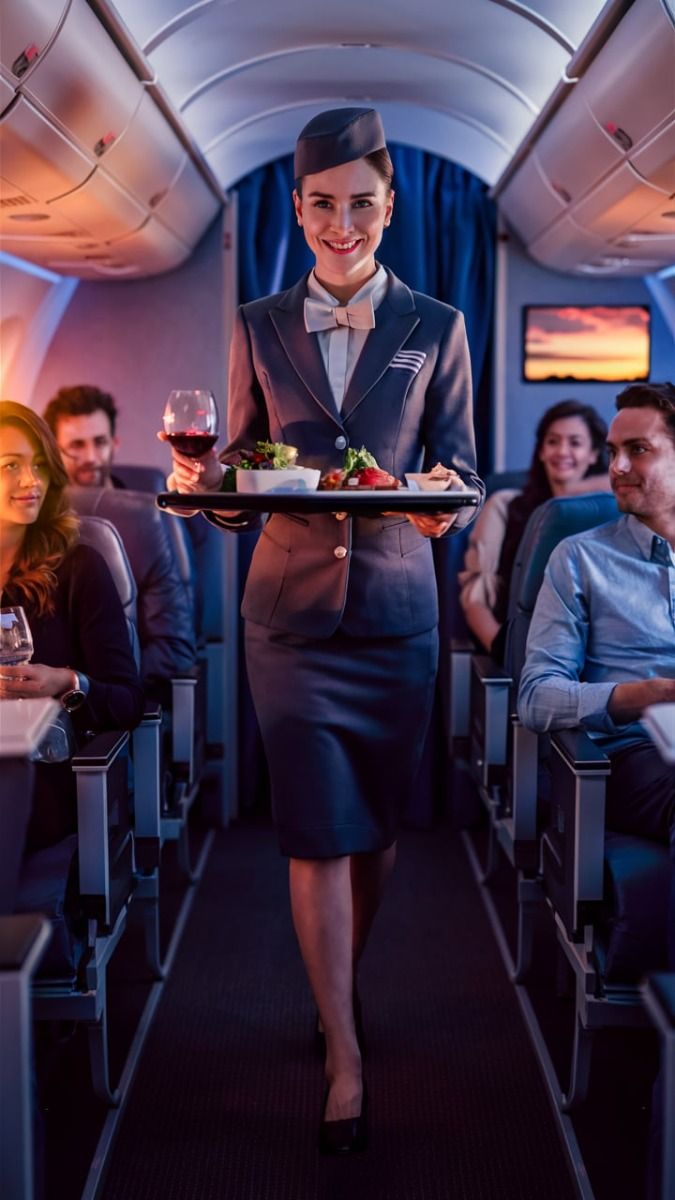
When flying, the biggest health and safety risks are related to food handling and the effects of cabin pressure on your body. The items below are often cited by experts and cabin crew as the riskiest or most uncomfortable to consume:
1. 🧊 Ice and Tap Water-Based Beverages (Coffee & Tea)
Why to Avoid (Hygiene Risk):
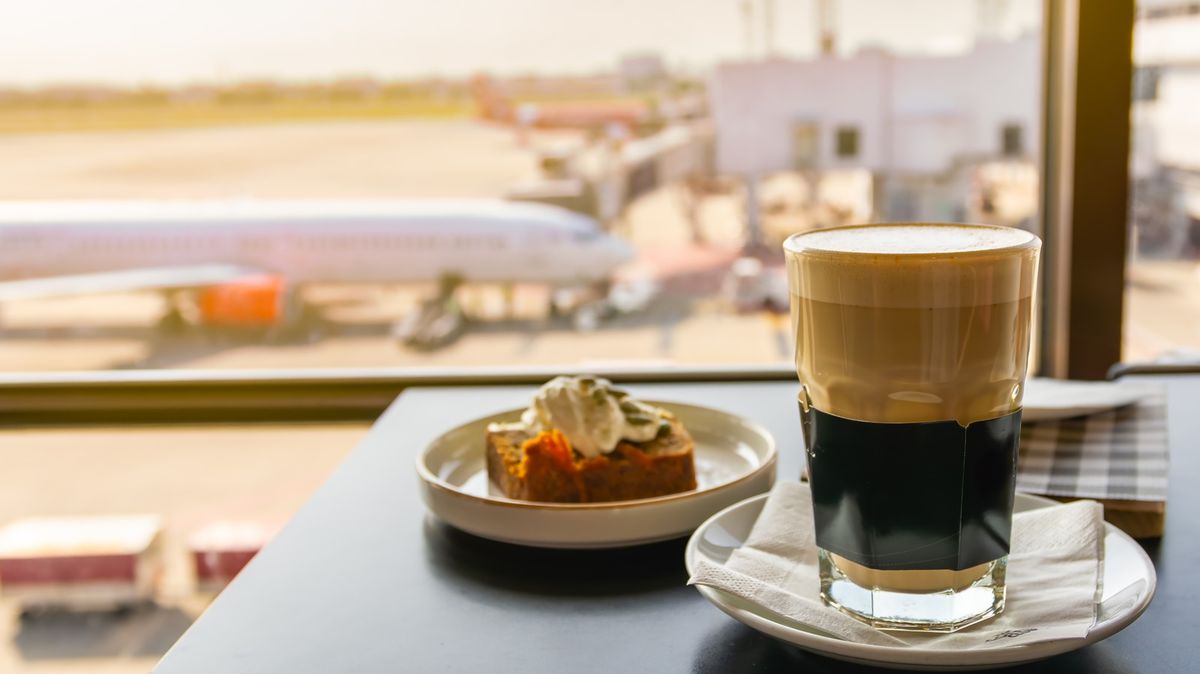
This is often cited as the number one health risk. The water used to make ice, coffee, and tea often comes from the plane’s onboard water tanks.
- Contamination Risk: Studies have repeatedly found that these water tanks, valves, and water systems are not cleaned frequently or rigorously enough. This can lead to the presence of high bacteria levels, including coliform and E. coli.
- The Rule: If you want water, ask for sealed bottled water only. Avoid anything that uses the plane’s tap water.
2. 🥗 Raw Produce (Salads, Fruit Platters)
Why to Avoid (Food Safety Risk):
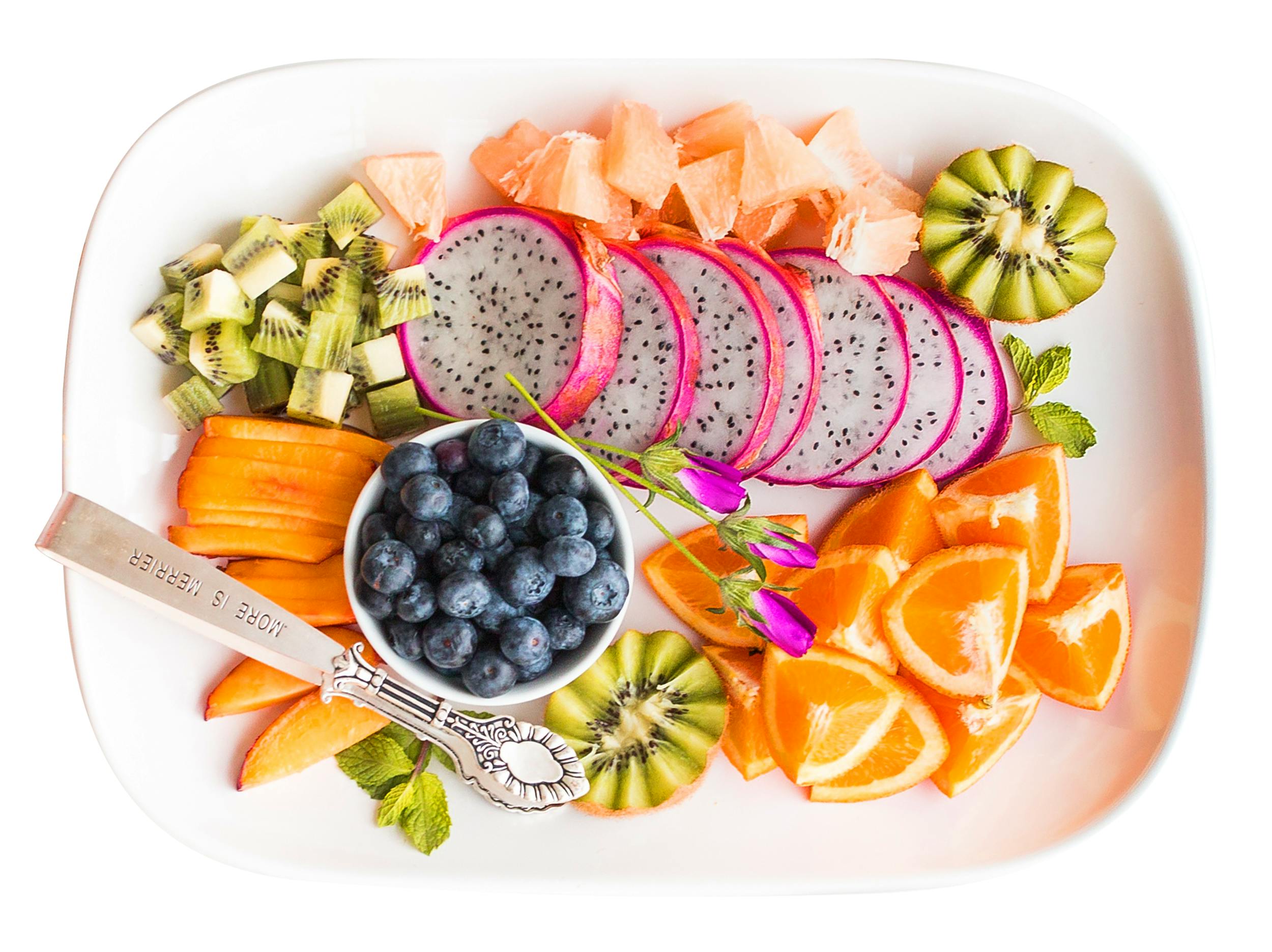
Raw fruits and vegetables that are part of the in-flight meal service, particularly those served cold, pose a higher risk than hot, re-heated meals.
- No “Kill Step”: Unlike the main meal (which is reheated to high temperatures, killing most bacteria), these items are served as-is. If the produce was not washed correctly during the catering process, there is a risk of contamination from bacteria like Listeria or Salmonella.
- Difficult Tracing: If contamination occurs, it’s very difficult to trace the source later, which is why food safety experts urge caution with unheated items.
3. 🍚 Rice and Pasta Dishes
Why to Avoid (Food Poisoning Risk):
While all food is prepared on the ground, the reheating and storage process makes starchy foods like rice and pasta risky.
- Bacillus Cereus: Rice that is cooked and then left to cool slowly (the method often used in mass catering) can harbor the Bacillus cereus bacteria. The spores can survive cooking and, if stored at the wrong temperature, multiply and produce toxins that cause acute vomiting and illness.
- Taste/Quality: Furthermore, in the low-humidity cabin air, these dishes dry out significantly upon reheating, making them bland. To compensate, caterers often add excessive amounts of salt and preservatives, contributing to dehydration and bloating.
4. 🥂 Alcohol and Caffeine
Why to Avoid (Dehydration & Discomfort):
These are not necessarily safety risks, but they significantly worsen your in-flight comfort and post-flight recovery.
- Diuretics: Both alcohol and caffeine are diuretics, meaning they make you urinate more often.
- Cabin Air: Combined with the extremely low humidity in the cabin, consuming them rapidly leads to severe dehydration, which in turn exacerbates fatigue, headaches, and jet lag.
5. 🌬️ Carbonated/Fizzy Drinks
Why to Avoid (Bloating & Gas):
- Pressure Effects: At cruising altitude, cabin pressure is lower. This causes gases in your body and in beverages to expand.
- Discomfort: Drinking sodas, particularly those with artificial sweeteners (like Diet Coke—which is also difficult for crew to pour), introduces extra gas into your digestive system. This expansion of gas leads to significant bloating, stomach discomfort, and excessive flatulence—a highly unwelcome experience in a cramped, enclosed cabin.
Summary of the Safest Choice:
If you are concerned about health and safety, the safest bet is to bring your own sealed, non-perishable snacks and to drink only bottled water or canned juice.