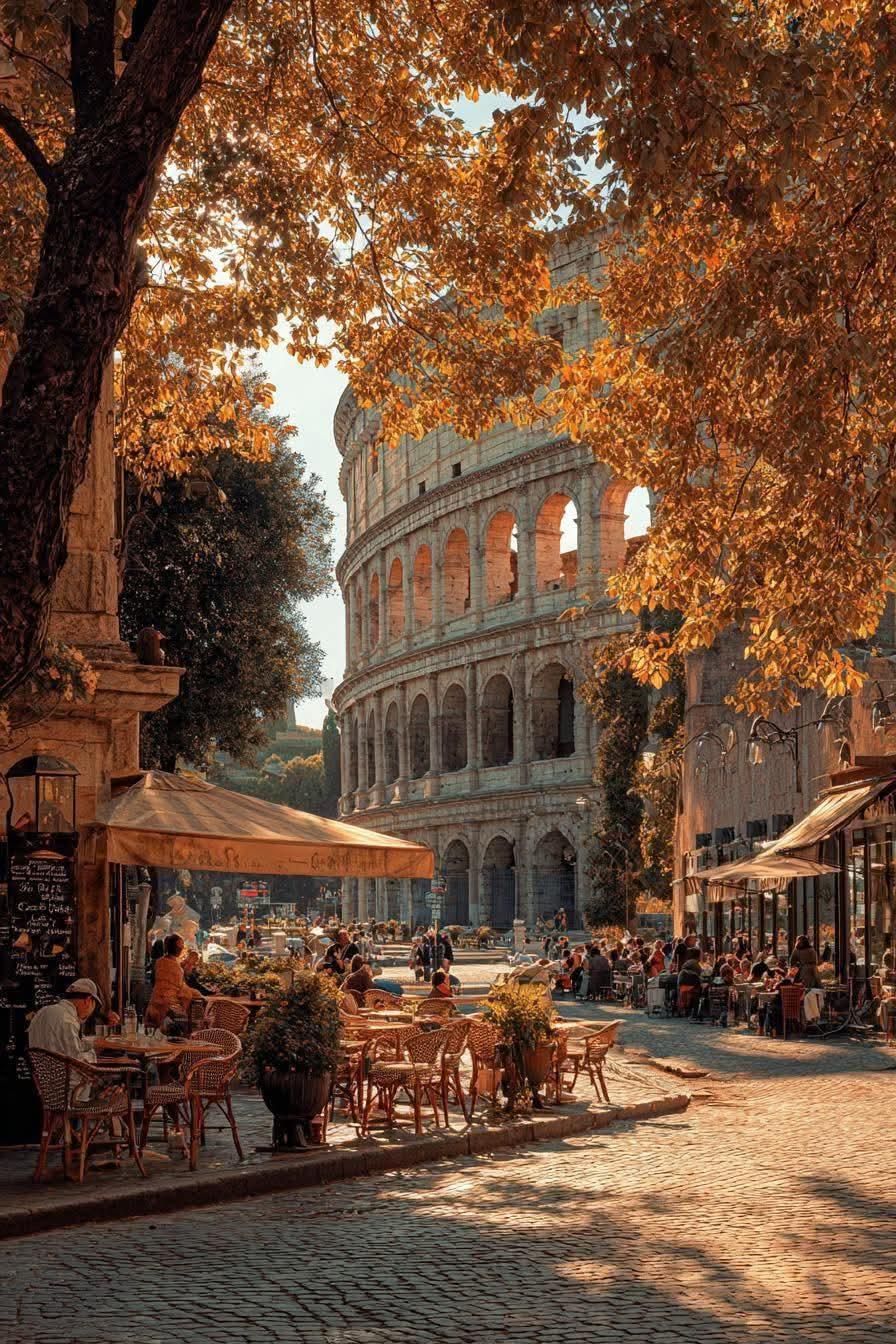
Prepare for time travel. Rome is not just a collection of monuments; it’s a living museum where two thousand years of history watch you having lunch on a street corner. It is called Caput Mundi—Head of the World—and we’ll show you why.
1. The Open-Air Museum: Ancient Treasures That Will Change Your Worldview
Where else can you sip your morning coffee while looking directly at the ruins of an empire? Rome is unique in this regard.
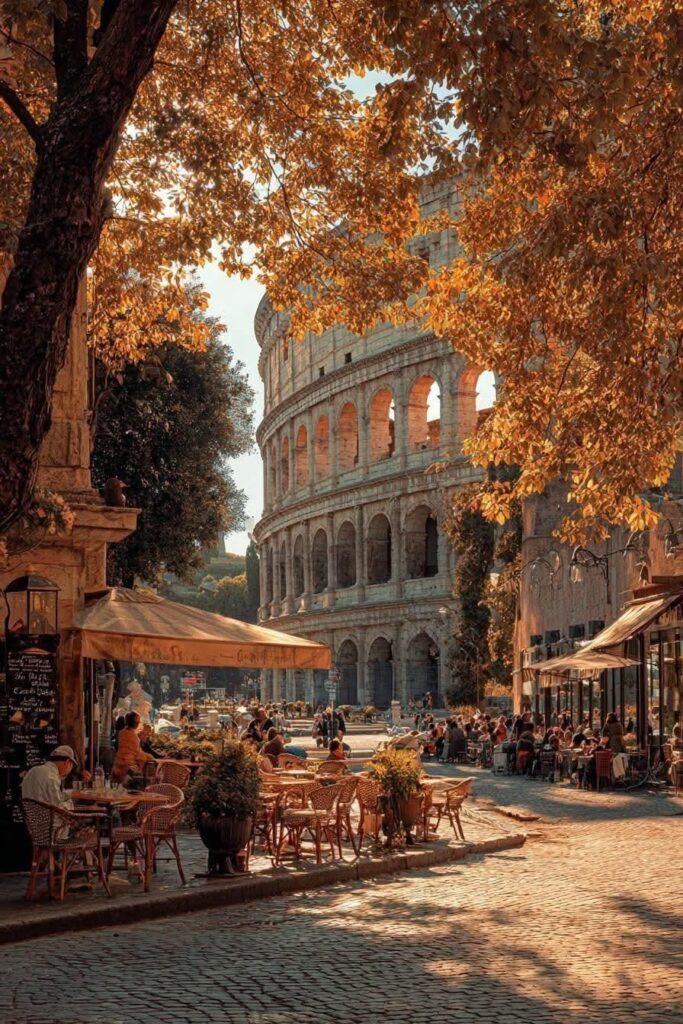
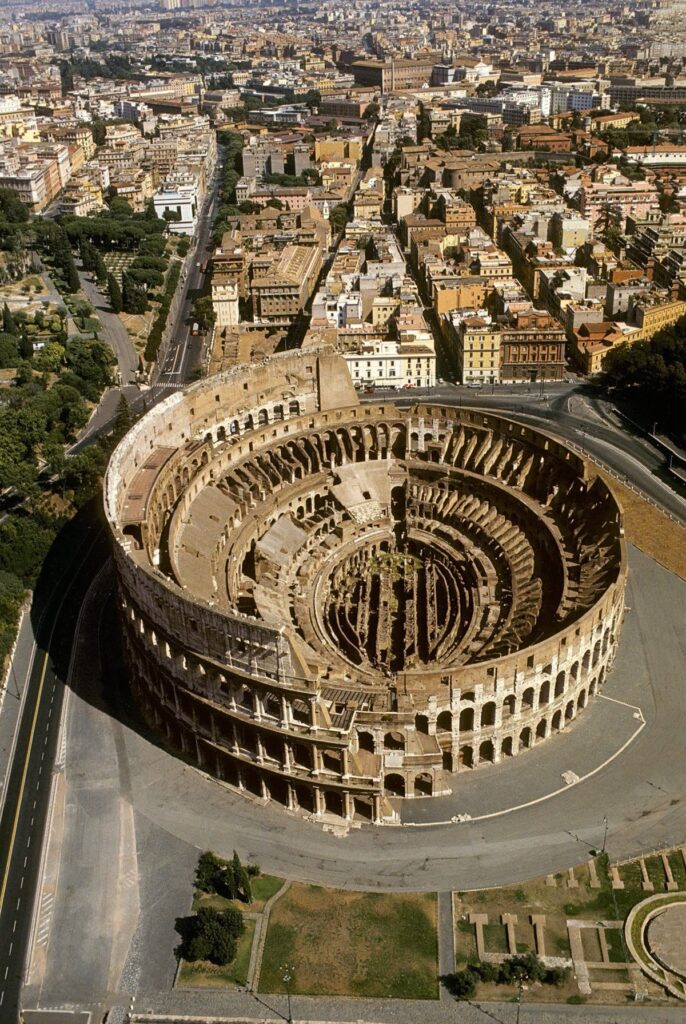
- The Colosseum: The Arena on the Edge of Legends. Forget the Hollywood movies. The real Colosseum was an engineering and architectural masterpiece. Did you know that in its underground area—the Hypogeum—there was a complex system of elevators, ramps, and trap doors that could lift wild animals or props onto the arena in an instant? And yes, they occasionally flooded it to stage naval battles (naumachiae)!🔥 VIRAL TIP: Don’t just buy tickets for the Colosseum! Get the combined ticket with the Roman Forum and Palatine Hill. It’s one ticket into the heart of the Roman Empire, where law, politics, and power were forged.
- The Pantheon: The Dome of Longevity. The best-preserved ancient structure, the temple of all gods. Its concrete dome is still the largest unreinforced concrete dome in the world today. The secret to its longevity lies in the progressively lighter concrete used by the Romans towards its apex and the iconic opening—the Oculus—the only source of light. It has stood for almost 2,000 years!
2. Hidden Rome: Places Not Every Tourist Knows About
If you want to experience the true Roman dolce vita, you must stray from the main path.
A. The Secret Keyhole (Il Buco della Serratura)
On one of the seven Roman hills—the Aventine—you will find a unique, unmarked gate with a small keyhole. When you peer through it, you will see a perfectly framed, incredible view of the dome of St. Peter’s Basilica! It is one of the most romantic and photogenic “secret” moments in the city.
B. The Trastevere District: The Heart of the Roman Spirit
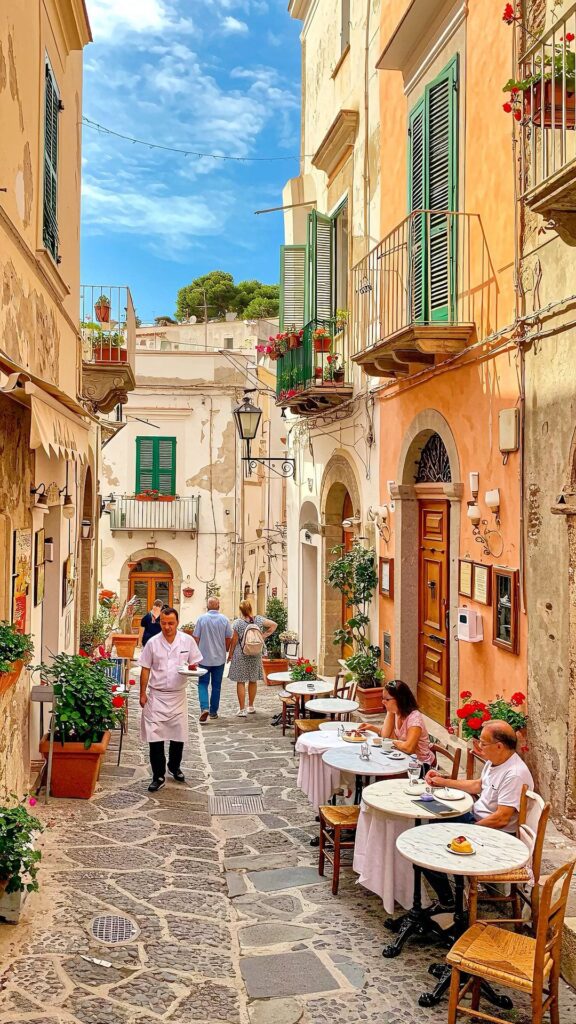
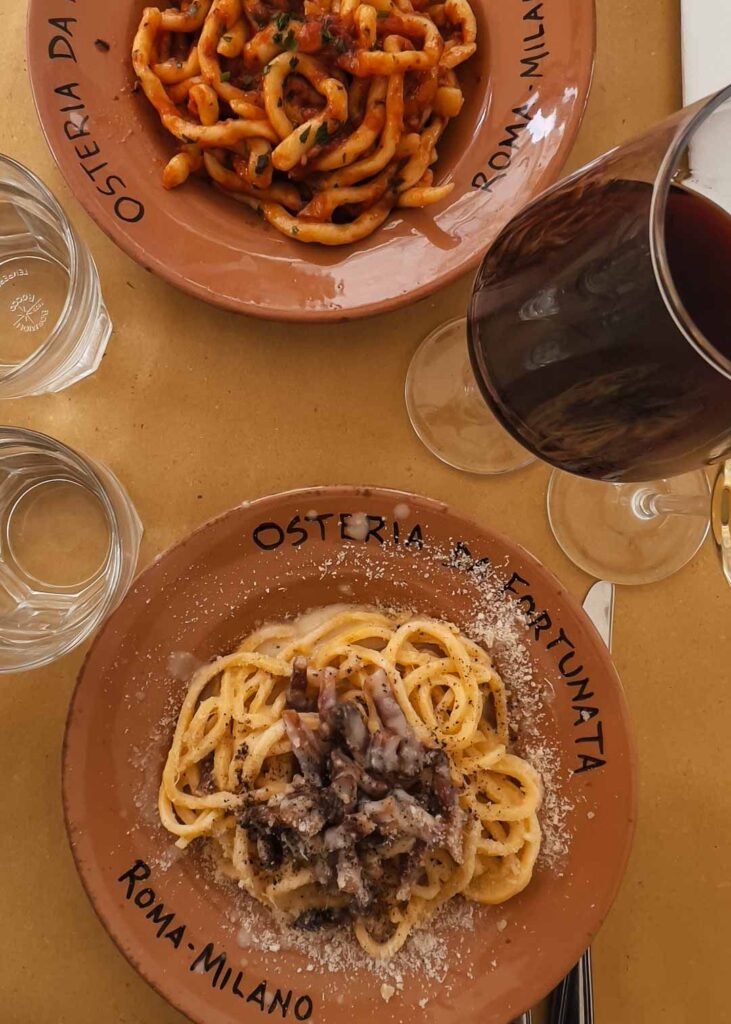
This neighbourhood across the Tiber River is a must-see for foodies and romantics. Narrow, cobbled streets, old ivy-covered houses, small family-run restaurants (trattorie), and lively squares where authentic Roman life comes alive in the evening. This is where you will taste the best Roman cuisine, such as Cacio e Pepe or Pasta alla Carbonara, away from the tourist traps.
C. The Aqueducts – Parco degli Acquedotti
The massive, ancient Roman aqueducts on the outskirts of the city are visually breathtaking and remain hidden from most tourists. A walk through this park is like stepping right into a movie from the time of the Roman Empire—perfect for stunning sunset photos!
3. Trevi Fountain and the Vatican: Where Art Meets Religion
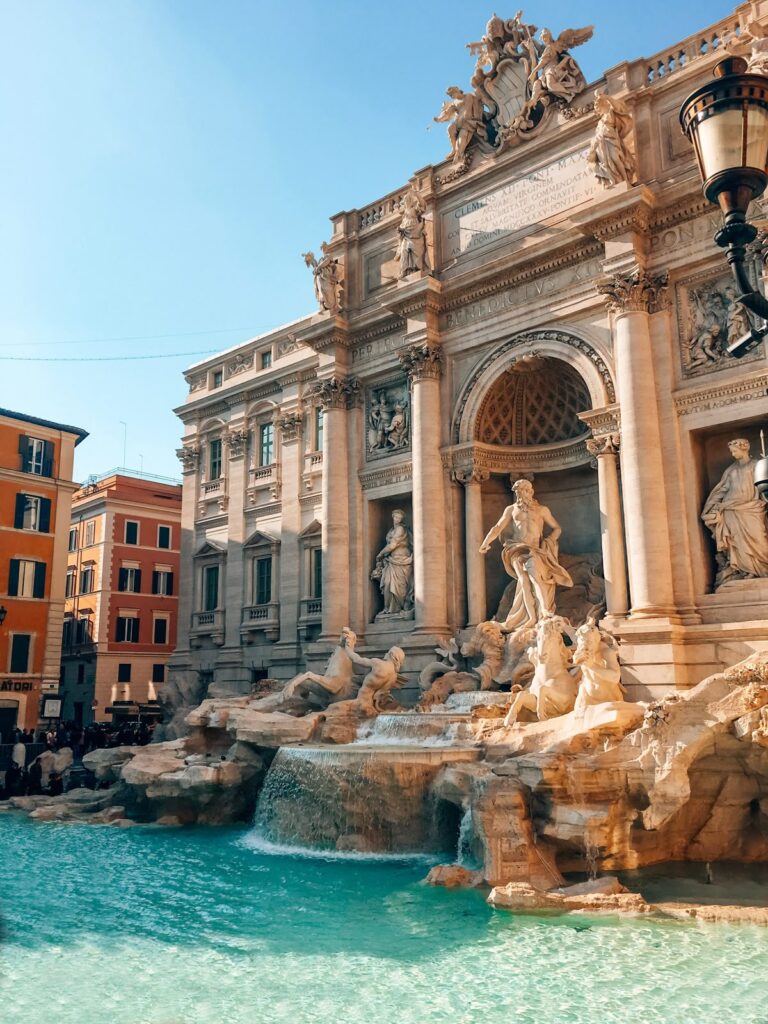
- Trevi Fountain: Don’t forget the ritual! Toss one coin into the fountain to ensure your return to Rome. If you toss two coins, you will meet love, and if three, you will marry. The water in the fountain comes from the Acqua Vergine aqueduct, which has been continuously operating for over 2,000 years!
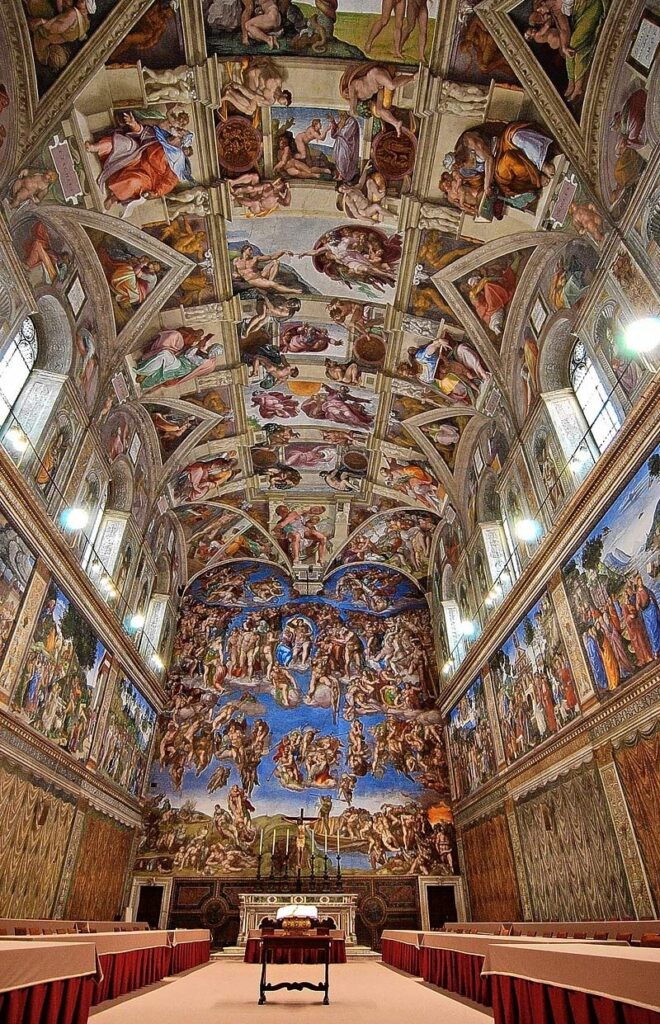
- The Vatican: The Vatican Museums, the Sistine Chapel, and the majestic St. Peter’s Basilica. Remember, the Vatican is a separate state. The Sistine Chapel, with Michelangelo’s fresco, is the site where the new Pope is still elected today.
4. Roman Gastronomy: More Than Just Pizza
Rome is a culinary destination, but it has its rules:
- Pizza al Taglio: Pizza sold by weight and slice. Fast, cheap, and authentic street food.
- Supplì: Rice croquettes filled with mozzarella and tomato sauce—an essential appetizer before a meal.
- Gelato: Try the traditional artisan ice cream parlours. If you see gelato in massive, brightly coloured mounds, it is likely full of artificial dyes. Look for smaller containers and muted colours—that is the guarantee of quality!
5. Rome Is Eternal. And It’s Waiting for YOU!
Rome earned the nickname The Eternal City (Urbs Aeterna) because even after the fall of the empire, it maintained its influence as a centre of Christianity and art. Every era has left its mark here—ancient columns next to Renaissance fountains, Baroque churches on medieval foundations.
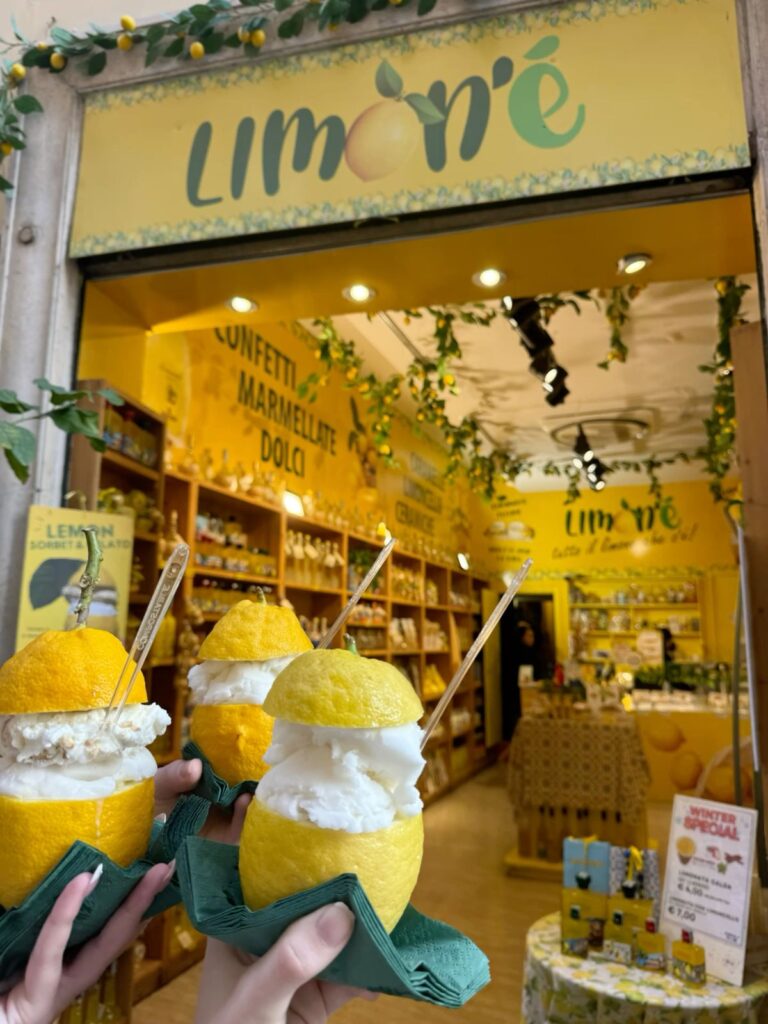
This chaos is its beauty. You don’t have to see everything—just slow down, sit on the steps, taste the gelato, and let the city breathe history right onto you.
Dear fellow travelers, if my articles have helped you or inspired your journeys, you can support me in a very simple way. If you book your flights, hotels, or tickets through the links below, I will receive a small commission from the sale. This costs you absolutely nothing extra (the prices remain exactly the same for you), but it truly helps me take my children on our next adventure and write the next detailed travel guide.
Here are the services I personally use on our travels and that you can rely on:
-
 Flights: I prefer to compare prices using Kiwi.com : last minute flights : https://kiwi.tpk.lv/8NQF6GkN or through the global search engine Aviasales : https://aviasales.tpk.lv/gKYbo853 .
 -
 Accommodation: 90% of our stays are booked traditionally through Booking.com : https://booking.tpk.lv/cLbuaDaA. If we are traveling to Asia, Agoda : https://agoda.tpk.lv/OwlTkUi6 often offers better prices and deals.
 -
 Experiences & Tickets: To avoid standing for hours in ticket queues for landmarks with my children, I buy them in advance via GetYourGuide : https://getyourguide.tpk.lv/V6GC2pLm or through [Viator : https://viator.tpk.lv/jKVITxSH .
 -
 Car Rental: When we need a car on our journeys, I compare rental prices through QEEQ : Diamond Membership : https://qeeq.tpk.lv/1YoVmDCm ,
 -
 Internet Abroad: To have mobile data immediately upon arrival and avoid hunting for local SIM cards, I use a digital eSIM via Airalo : https://airalo.tpk.lv/YGyayoZj .
Thank you for every single click and booking; I deeply appreciate it!