Lisbon (Lisboa), the capital of Portugal, is a city built on seven steep hills, basking in a unique, luminous light that filters down to the Tagus River. It is one of Europe’s oldest and most charismatic cities, defined by its historic maritime past, intricate azulejo tiles, melancholy Fado music, and distinctive yellow trams.
Lisbon is an intoxicating blend of old-world charm, contemporary creativity, and an atmosphere known as saudade—a deep, nostalgic longing. From its medieval alleys to its grand, Manueline-style monuments, Lisbon is a vibrant, sun-drenched coastal gem.

I. 🚋 Icons of the City: Hills and Heritage
Lisbon’s unique geography and history are experienced best through its transportation and architecture.
1. Tram 28
The famous yellow Tram 28 is more than just transportation; it’s a moving historical tour. This rickety, antique tram winds its way through the narrow streets of the most historic districts, including Alfama and Graça, offering an intimate and sometimes thrilling ride past key sights.
- Tip: The tram is often crowded. Ride it early in the morning or late in the evening to avoid the worst queues.
2. Belém Tower and Jerónimos Monastery
These two monuments in the Belém district are powerful reminders of Portugal’s Age of Discoveries, when explorers like Vasco da Gama set sail from Lisbon to map the globe.
- Jerónimos Monastery (Mosteiro dos Jerónimos): A magnificent example of Manueline architecture, funded by the profits of the spice trade. It houses the tombs of Vasco da Gama and poet Luís de Camões.
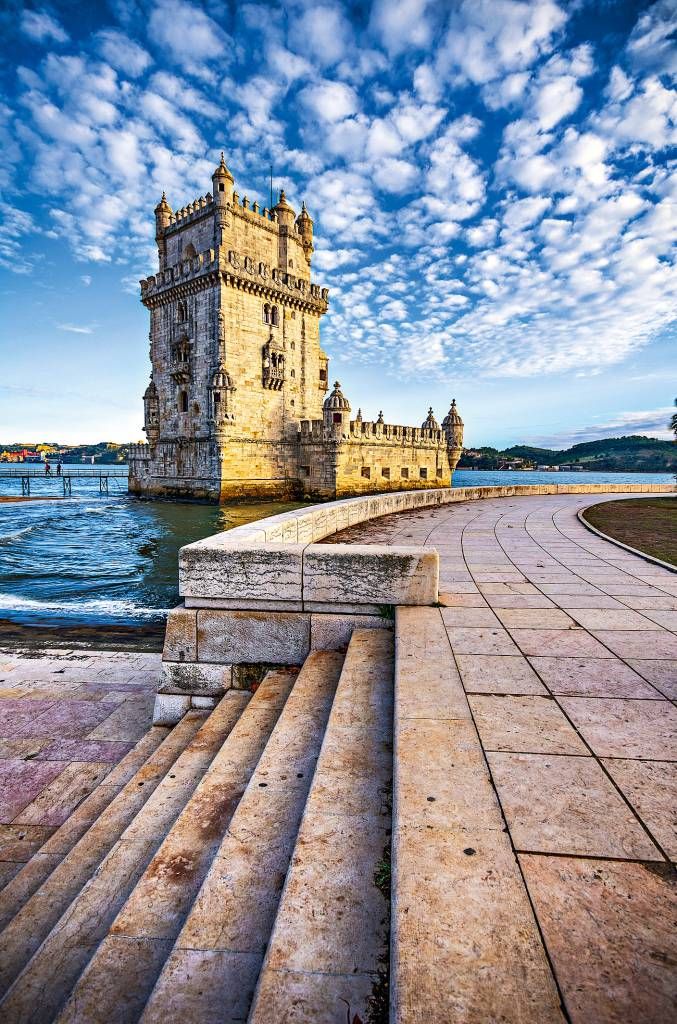
- Belém Tower (Torre de Belém): A striking 16th-century fortress built on the Tagus River, serving as a ceremonial gateway to Lisbon.
3. Alfama District
The oldest district in Lisbon, Alfama survived the devastating 1755 earthquake. Its labyrinthine, cobblestone streets, whitewashed houses, and flowered balconies are best explored by getting deliberately lost. This is the spiritual home of Fado music.

II. 🖼️ Views, Tiles, and Fado Culture
1. Miradouros (Viewpoints)
Due to its seven hills, Lisbon offers many spectacular viewpoints.
- Miradouro da Senhora do Monte: Offers arguably the best panoramic view, stretching from the castle to the Tagus River.
- Miradouro de São Pedro de Alcântara: Provides a sweeping view across the Baixa district to St. George’s Castle.
2. Azulejos
Azulejos (painted, glazed ceramic tiles) are an integral part of Lisbon’s identity. They decorate facades, interiors, churches, and subway stations. To understand their history, visit the National Azulejo Museum (Museu Nacional do Azulejo).
3. Fado Music
Fado is a Portuguese music genre often characterized by mournful melodies and lyrics about the sea or the lives of the poor, imbued with saudade.
- Where to Listen: Experience Fado in its traditional setting in small restaurants and houses in the Alfama or Bairro Alto districts. Look for the sign “Casa de Fados.”
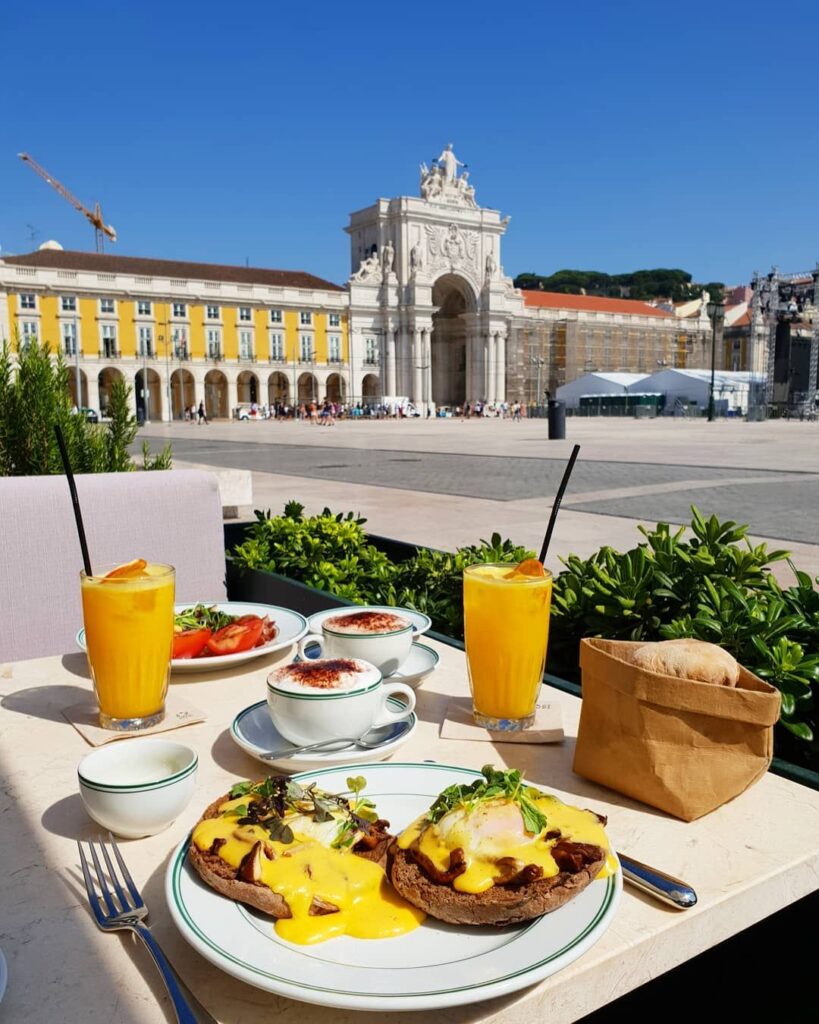
III. 🍽️ Culinary Delights: From Cod to Custard
Portuguese cuisine is rooted in simple, high-quality ingredients, especially fresh seafood.
- Pastel de Nata: The famous Portuguese custard tart. The best and most authentic are found at Pastéis de Belém, a historic bakery near the Jerónimos Monastery, which has been using the original secret recipe since 1837.
- Bacalhau (Cod): Portugal is famous for cod, which locals boast can be cooked in 365 different ways (one for every day of the year).
- Ginjinha: A sweet cherry liqueur, often served in a small shot glass or an edible chocolate cup. Try it at one of the tiny bars around the Rossio Square area.
- Seafood: Freshly grilled fish (peixe grelhado) is a staple, particularly sea bass and sardines (a classic during the June festivals).
IV. 💡 Practical Tips for Exploring Lisbon
| Category | Advice |
| Currency | Euro (€). Portugal is part of the Eurozone. |
| Getting Around | The Lisboa Card offers unlimited free use of the metro, trams (including Tram 28), buses, and funiculars, plus free entry to some attractions. |
| Funiculars | Steep hills are traversed by charming funiculars (e.g., Ascensor da Glória). They save your legs and are a historic experience themselves. |
| The Earthquake | The Baixa district (downtown) was totally rebuilt after the 1755 earthquake using the world’s first large-scale earthquake-resistant techniques, featuring a grid-like street pattern. |
| Best Time | Spring (March–May) and Autumn (September–October). The weather is warm and sunny, but the summer crowds are smaller. |

Lisbon offers a sensory feast, combining the grand echoes of its imperial past with the intimate charm of its old neighborhoods. Prepare to fall in love with its light, its hills, and its soulful music.
Dear fellow travelers, if my articles have helped you or inspired your journeys, you can support me in a very simple way. If you book your flights, hotels, or tickets through the links below, I will receive a small commission from the sale. This costs you absolutely nothing extra (the prices remain exactly the same for you), but it truly helps me take my children on our next adventure and write the next detailed travel guide.
Here are the services I personally use on our travels and that you can rely on:
-
 Flights: I prefer to compare prices using Kiwi.com : last minute flights : https://kiwi.tpk.lv/8NQF6GkN or through the global search engine Aviasales : https://aviasales.tpk.lv/gKYbo853 .
 -
 Accommodation: 90% of our stays are booked traditionally through Booking.com : https://booking.tpk.lv/cLbuaDaA. If we are traveling to Asia, Agoda : https://agoda.tpk.lv/OwlTkUi6 often offers better prices and deals.
 -
 Experiences & Tickets: To avoid standing for hours in ticket queues for landmarks with my children, I buy them in advance via GetYourGuide : https://getyourguide.tpk.lv/V6GC2pLm or through [Viator : https://viator.tpk.lv/jKVITxSH .
 -
 Car Rental: When we need a car on our journeys, I compare rental prices through QEEQ : Diamond Membership : https://qeeq.tpk.lv/1YoVmDCm ,
 -
 Internet Abroad: To have mobile data immediately upon arrival and avoid hunting for local SIM cards, I use a digital eSIM via Airalo : https://airalo.tpk.lv/YGyayoZj .
Thank you for every single click and booking; I deeply appreciate it!