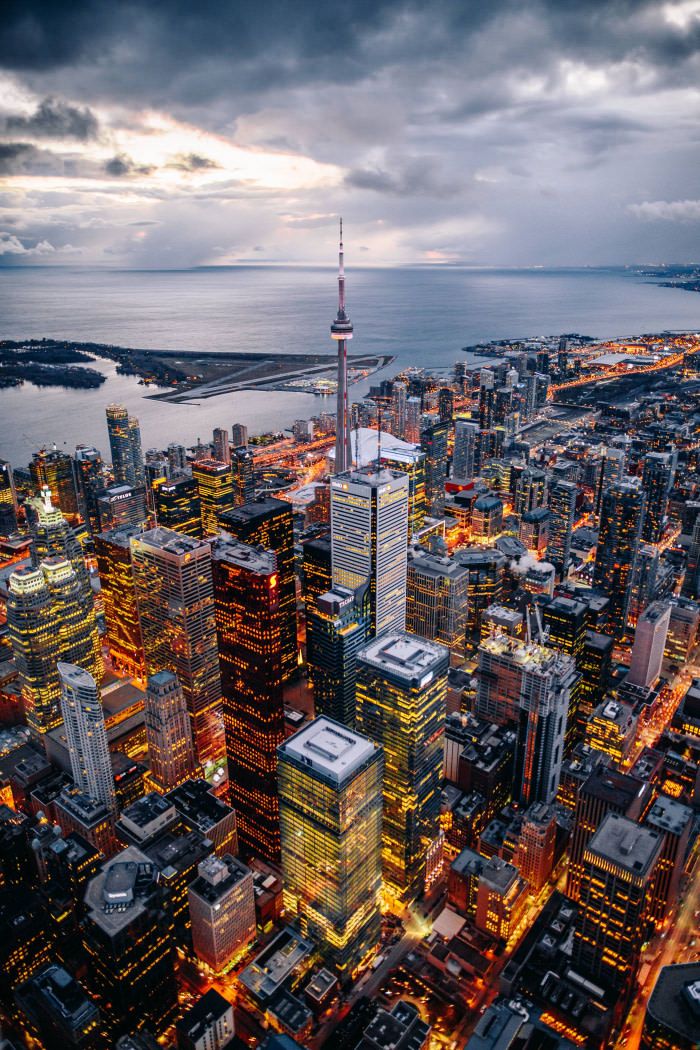
Copenhagen (København), the capital of Denmark, is a symbol of Scandinavian elegance, sustainability, and the lifestyle philosophy of Hygge. It is one of the best cities in the world to live in, maintaining a pleasant, communal atmosphere despite its royal history and modern architecture.
Copenhagen is often called the “Cycling Capital,” as the bicycle is king here. The city offers a blend of royal landmarks, world-class design, and a globally renowned culinary scene.

I. 🏰 Key Landmarks and Icons
Copenhagen is a compact city that is easy to explore on foot or on two wheels.
1. Nyhavn: The Colorful Harbor
The iconic postcard of Copenhagen. Nyhavn is a canal lined with beautiful old, colorful 17th-century houses. Originally a bustling commercial port, it is now a center for restaurants, cafes, and historic sailing ships.
- Fairytale History: The famous Danish storyteller Hans Christian Andersen lived in one of the houses (No. $20$) for a time. It was in Copenhagen that he wrote some of his most famous works.
2. The Little Mermaid (Den Lille Havfrue)
The world-famous statue, inspired by Andersen’s fairytale, sits on a rock in the Langelinie harbor. Although smaller in person than many imagine, it remains a key photo stop and a symbol of the city.
3. Tivoli Gardens
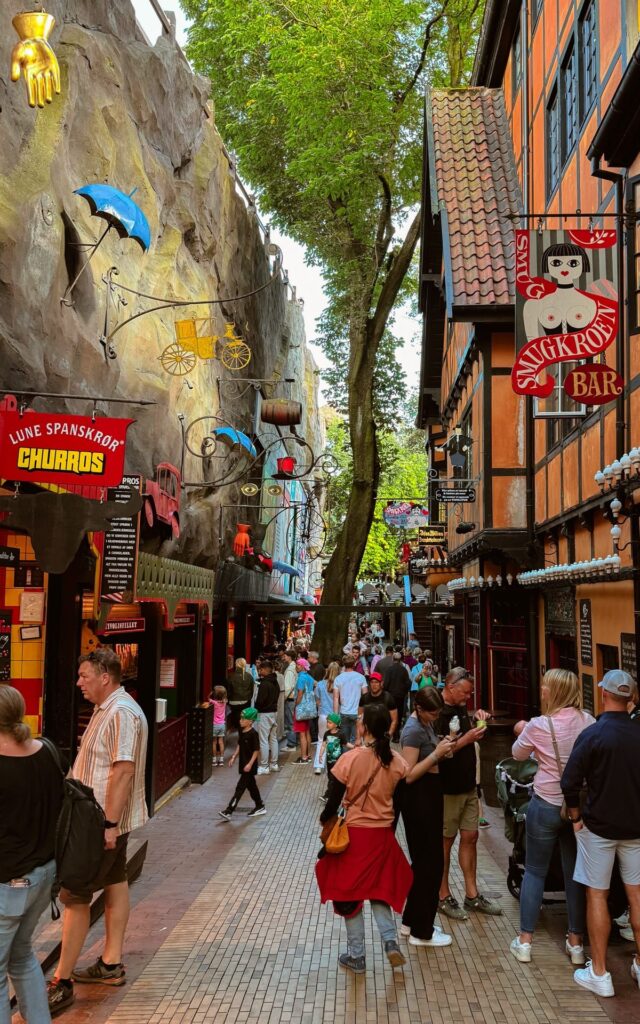
One of the oldest and most beautiful amusement parks in the world (opened in 1843 ). Tivoli is not just a park with thrill rides; it’s an oasis full of music, theater performances, and stunning gardens. Its atmosphere is especially magical at night and during Christmas.
4. Royal Palaces
- Amalienborg Palace: The winter residence of the Danish royal family. Don’t miss the Changing of the Royal Guard (Den Kongelige Livgarde), which takes place every day at noon.
- Rosenborg Castle: Originally a summer residence, it is now home to the Danish Crown Jewels, which are stored in the castle’s basement.
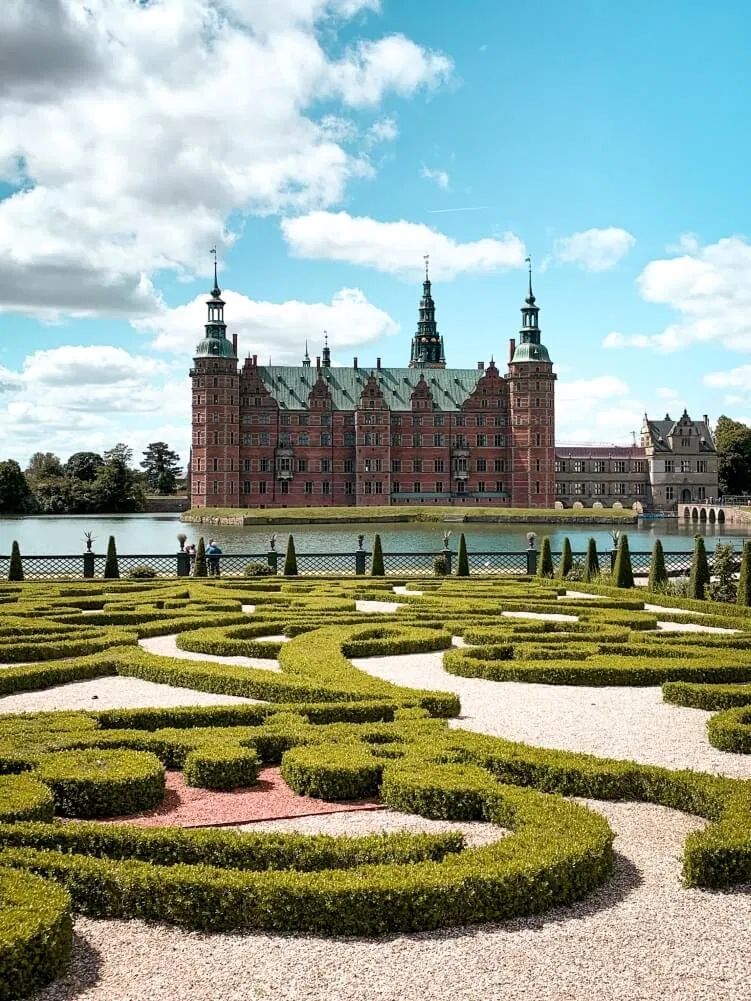
II. ✨ Hygge, Design, and Lifestyle
The Danish way of life is the heart of Copenhagen.
1. The Philosophy of Hygge
Hygge is a Danish term for the quality of coziness, comfort, and contentment we feel when enjoying the simple things in life—such as hot coffee and the warm glow of a candle on a chilly afternoon. Copenhagen breathes this philosophy in every cafe, bakery, and park.
2. Danish Design
Denmark is a global power in design (e.g., Arne Jacobsen, Hans Wegner). In Copenhagen, you will discover minimalism, functionality, and clean lines everywhere—from architecture (e.g., the Black Diamond, the modern extension of the Royal Danish Library) to museum interiors.
3. Freetown Christiania (Fristaden Christiania)
Christiania is an autonomous, self-proclaimed neighborhood that emerged in the 1970s on the site of former military barracks. It is a unique, controversial, but fascinating enclave with its own rules, galleries, concert halls, and restricted photography (especially on “Pusher Street,” where soft drugs are openly sold).

III. 🍽️ The Culinary Scene
Copenhagen is home to New Nordic Cuisine and the city that gave the world Noma, a restaurant repeatedly named the best in the world.
- Smørrebrød: This is the Danish classic—richly topped rye bread. These open-faced sandwiches can feature salmon, shrimp, roast beef, chicken salad, or eggs. They are culinary works of art. Try the traditional smørrebrød bars in the city center.
- New Nordic Approach: Chefs focus on local ingredients, wild herbs, and ancient Nordic techniques. This emphasis on quality can be found even in cheaper bistros and street stalls (e.g., at the Torvehallerne market).
- Pølser: The Danish hot dog, available at stalls (pølsevogn) throughout the city. Try the red ones (røde pølser) with fried onions, pickles, and mustard.

IV. 💡 Practical Tips for Travelers
| Category | Advice |
| Transportation | Bicycle. The best and fastest way to get around Copenhagen. Bike lanes are everywhere. Most hotels offer rentals, or you can use public bike-sharing services. |
| Currency | Danish Krone (DKK). Denmark is not part of the Eurozone. Cards are accepted everywhere, but cash is useful for small purchases. |
| Copenhagen Card | If you plan to visit many attractions and museums, the Copenhagen Card (for 24, 48, 72 hours, etc.) provides free entry and unlimited public transport (including the metro and buses). |
| Best Time | May to September. Summers are pleasant and full of daylight. However, winter is ideal for Hygge and the Christmas markets. |
| Harbor Swimming | In summer, you can swim in the clean waters of the city harbor at the specially designed Harbour Baths (e.g., Islands Brygge). |
Copenhagen is a city that forces you to slow down, embrace the comfort of Hygge, and reminds you that a happy life is often found in a simple bike ride with the wind in your hair and a cup of a hot beverage.

Dear fellow travelers, if my articles have helped you or inspired your journeys, you can support me in a very simple way. If you book your flights, hotels, or tickets through the links below, I will receive a small commission from the sale. This costs you absolutely nothing extra (the prices remain exactly the same for you), but it truly helps me take my children on our next adventure and write the next detailed travel guide.
Here are the services I personally use on our travels and that you can rely on:
-
 Flights: I prefer to compare prices using Kiwi.com : last minute flights : https://kiwi.tpk.lv/8NQF6GkN or through the global search engine Aviasales : https://aviasales.tpk.lv/gKYbo853 .
 -
 Accommodation: 90% of our stays are booked traditionally through Booking.com : https://booking.tpk.lv/cLbuaDaA. If we are traveling to Asia, Agoda : https://agoda.tpk.lv/OwlTkUi6 often offers better prices and deals.
 -
 Experiences & Tickets: To avoid standing for hours in ticket queues for landmarks with my children, I buy them in advance via GetYourGuide : https://getyourguide.tpk.lv/V6GC2pLm or through [Viator : https://viator.tpk.lv/jKVITxSH .
 -
 Car Rental: When we need a car on our journeys, I compare rental prices through QEEQ : Diamond Membership : https://qeeq.tpk.lv/1YoVmDCm ,
 -
 Internet Abroad: To have mobile data immediately upon arrival and avoid hunting for local SIM cards, I use a digital eSIM via Airalo : https://airalo.tpk.lv/YGyayoZj .
Thank you for every single click and booking; I deeply appreciate it!