Delhi, the metropolis and capital of India, is a historical palimpsest—a city that has been repeatedly built, destroyed, and rebuilt, with each era leaving its unmistakable mark. It is a place where the majestic monuments of the Mughal Empire meet the modern parliament of New Delhi and the chaotic, yet electrifying hustle of Old Delhi.
With over 11 million inhabitants, Delhi is not only the political center but also a massive cultural and culinary melting pot. A visit to Delhi is an intense, sensory experience that immediately draws you into the heart of India.
I. 🏰 Old Delhi: Chaos and History
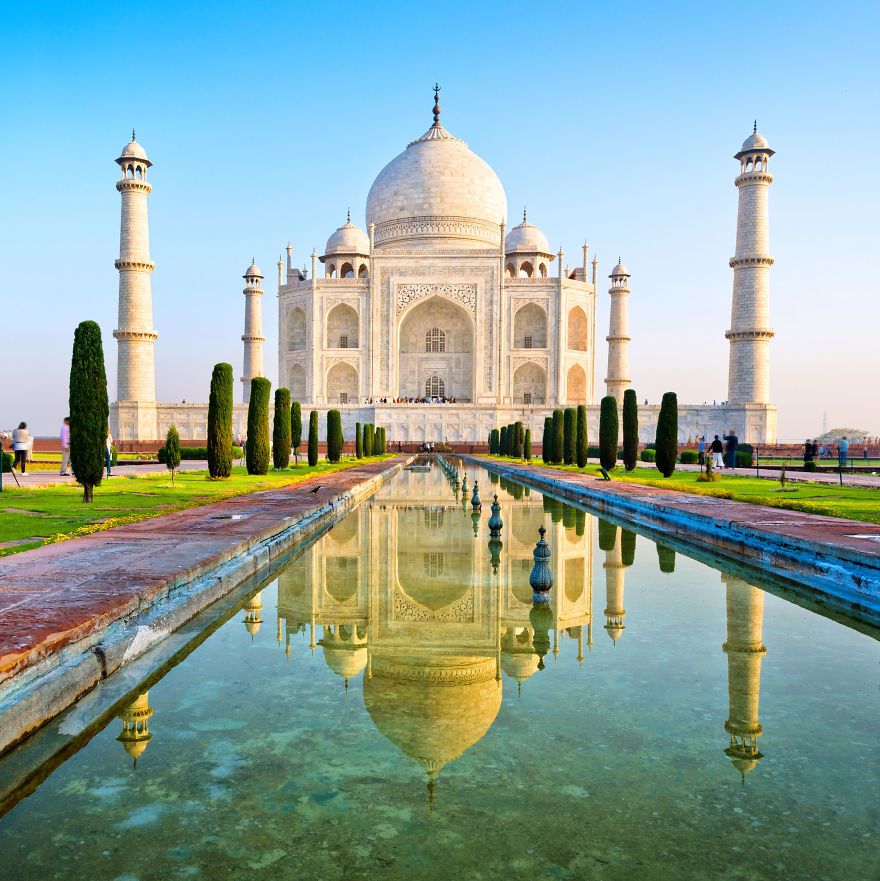
Old Delhi, founded in the 17th century by Emperor Shah Jahan (the builder of the Taj Mahal), is the heart of Mughal architecture and commerce.
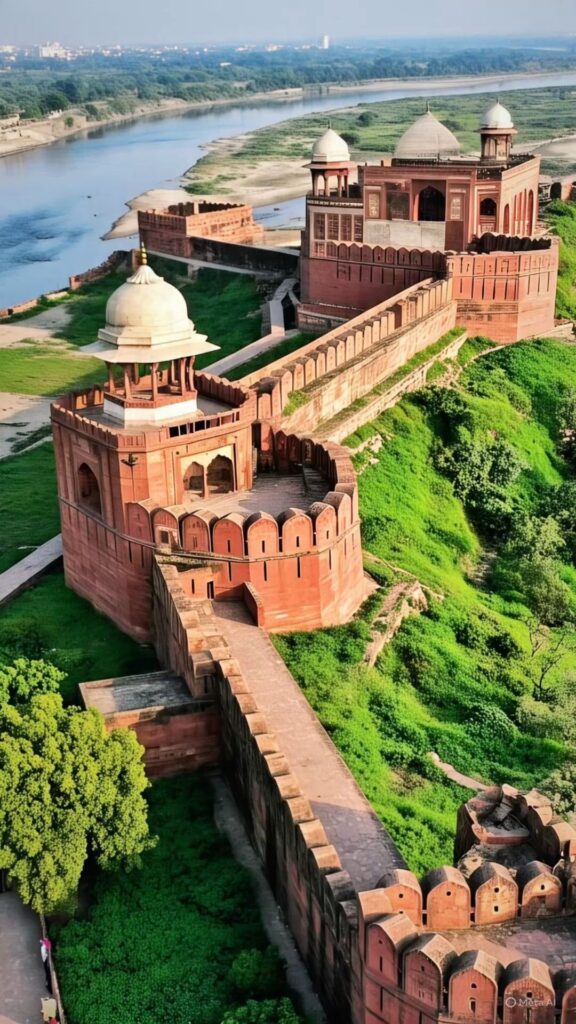
- Red Fort (Lal Qila): A massive red sandstone fortress that served as the seat of the Mughal emperors for nearly 200 years. It is a symbol of Indian independence—the flag-hoisting ceremony takes place here annually.
- Jama Masjid: One of the largest mosques in India, built from red sandstone and white marble. Its courtyard can accommodate up to 25,000 worshippers. Climb one of its minarets for a breathtaking view of the dense tangle of Old Delhi.
- Chandni Chowk: The famous street and huge bazaar where goods are sorted by specialization (silver, jewelry, spices, books). Take a cycle rickshaw ride to experience the intense buzz of this place.
II. 🏛️ New Delhi: Government Power and Colonial Elegance
New Delhi, designed by British architects Edwin Lutyens and Herbert Baker in the 20th century, serves as the capital of India.
- India Gate: A victory arch, a memorial to Indian soldiers who fell in World War I. It is a popular spot for evening strolls and picnics.
- Rashtrapati Bhavan: The official residence of the President of India. It is part of the extensive presidential complex connected to the Kartavya Path (formerly Rajpath) boulevard.
- Qutub Minar: The tallest brick minaret in the world ( 73 meters), which is part of the Qutb Complex, a UNESCO World Heritage site. It marks the beginning of Muslim rule in India.
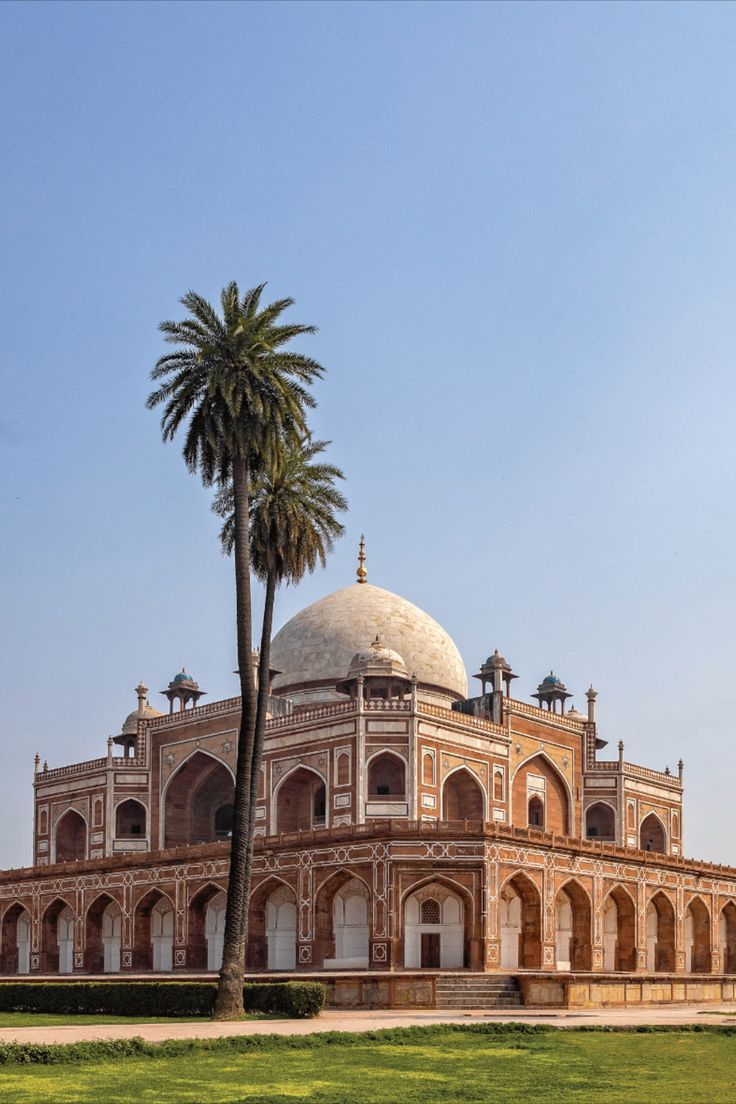
- Humayun’s Tomb: The tomb of the Mughal Emperor Humayun is considered a precursor to the Taj Mahal and is one of the finest examples of Mughal garden architecture.
III. 🙏 Spiritual and Modern Stops
Delhi is home to various religions, reflected in its modern and ancient temples.
- Lotus Temple: A beautiful, modern temple shaped like a blossoming lotus, serving the Baha’i Faith. It is open to all, regardless of religion, and is known for its silence and architecture.
- Gurudwara Bangla Sahib: One of the most significant Sikh temples (Gurudwara) in the city. Its golden dome is magnificent, and the sacred pool (sarovar) is a place of tranquility. Stop by the Langar (community kitchen), where food is served free of charge to thousands of people daily.

IV. 🍽️ Culinary Delights: The Food Capital
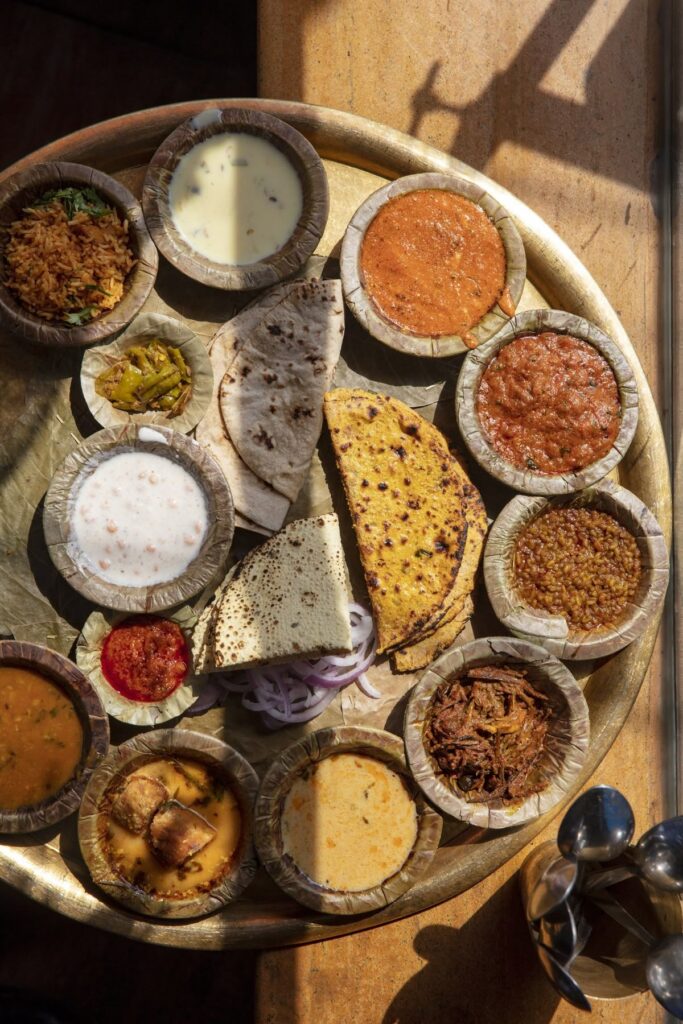
Delhi is considered the culinary capital of India and the best place to taste Mughlai and North Indian cuisine.
- Butter Chicken and Naan: Tender chicken in a rich, creamy tomato gravy, served with Indian flatbread naan.
- Street Food Star: Chhole Bhature: Spicy chickpea curry served with a huge, fluffy, and fried bread (bhatura). An absolute must-try!
- Parathas: Flatbreads stuffed with potatoes, cauliflower, or cheese. The best are served at specialized stalls on Parathe Wali Gali in Chandni Chowk.
V. 💡 Practical Tips and Transportation
| Category | Advice |
| Transportation | Metro. Delhi has an extensive, modern, and air-conditioned metro network, which is the best way to avoid surface traffic jams. |
| Tuk-Tuks and Rickshaws | Ideal for short distances. Always agree on the price in advance (or use apps like Ola/Uber Auto, which have fixed fares) before getting in. |
| Money | Indian Rupee (INR). Cards are accepted in tourist areas, but cash is essential for small purchases, food stalls, and tuk-tuks. |
| Health | Drink only bottled water (check the seal). Be cautious with raw salads and street food that is not piping hot and freshly cooked. |
| Best Time | October to March. The weather is pleasant and cool, especially compared to the hot summer and monsoon season. |
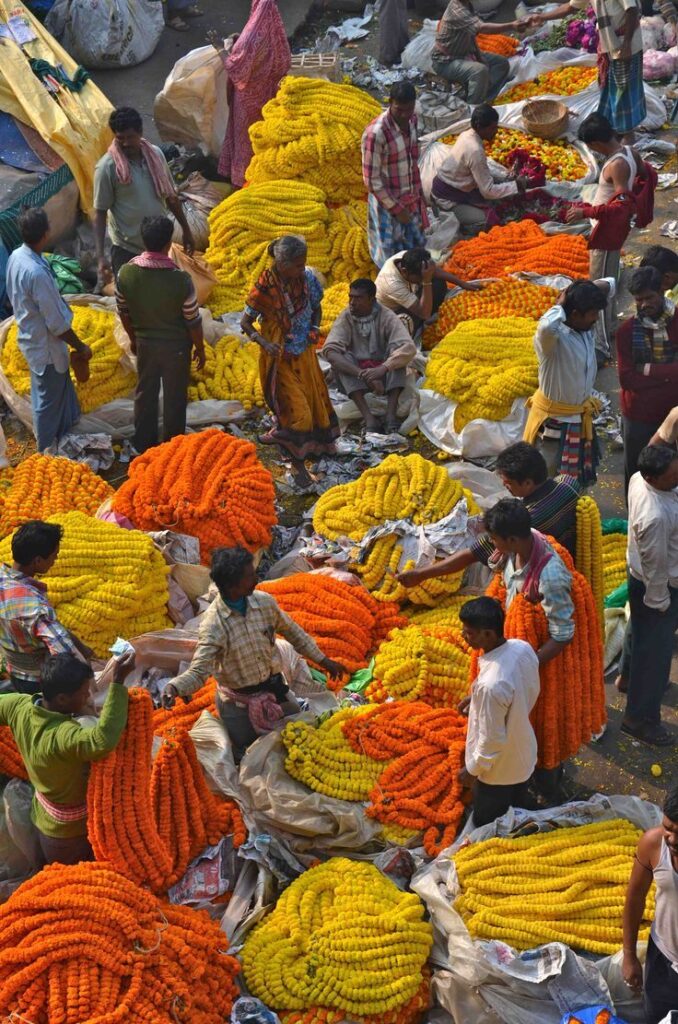
Delhi is a city of the senses—it is noisy, colorful, fragrant with spices and history. It is a place that demands a lot from you but rewards you with an unforgettable view of the diversity and power of Indian civilization.
Dear fellow travelers, if my articles have helped you or inspired your journeys, you can support me in a very simple way. If you book your flights, hotels, or tickets through the links below, I will receive a small commission from the sale. This costs you absolutely nothing extra (the prices remain exactly the same for you), but it truly helps me take my children on our next adventure and write the next detailed travel guide.
Here are the services I personally use on our travels and that you can rely on:
-
 Flights: I prefer to compare prices using Kiwi.com : last minute flights : https://kiwi.tpk.lv/8NQF6GkN or through the global search engine Aviasales : https://aviasales.tpk.lv/gKYbo853 .
 -
 Accommodation: 90% of our stays are booked traditionally through Booking.com : https://booking.tpk.lv/cLbuaDaA. If we are traveling to Asia, Agoda : https://agoda.tpk.lv/OwlTkUi6 often offers better prices and deals.
 -
 Experiences & Tickets: To avoid standing for hours in ticket queues for landmarks with my children, I buy them in advance via GetYourGuide : https://getyourguide.tpk.lv/V6GC2pLm or through [Viator : https://viator.tpk.lv/jKVITxSH .
 -
 Car Rental: When we need a car on our journeys, I compare rental prices through QEEQ : Diamond Membership : https://qeeq.tpk.lv/1YoVmDCm ,
 -
 Internet Abroad: To have mobile data immediately upon arrival and avoid hunting for local SIM cards, I use a digital eSIM via Airalo : https://airalo.tpk.lv/YGyayoZj .
Thank you for every single click and booking; I deeply appreciate it!