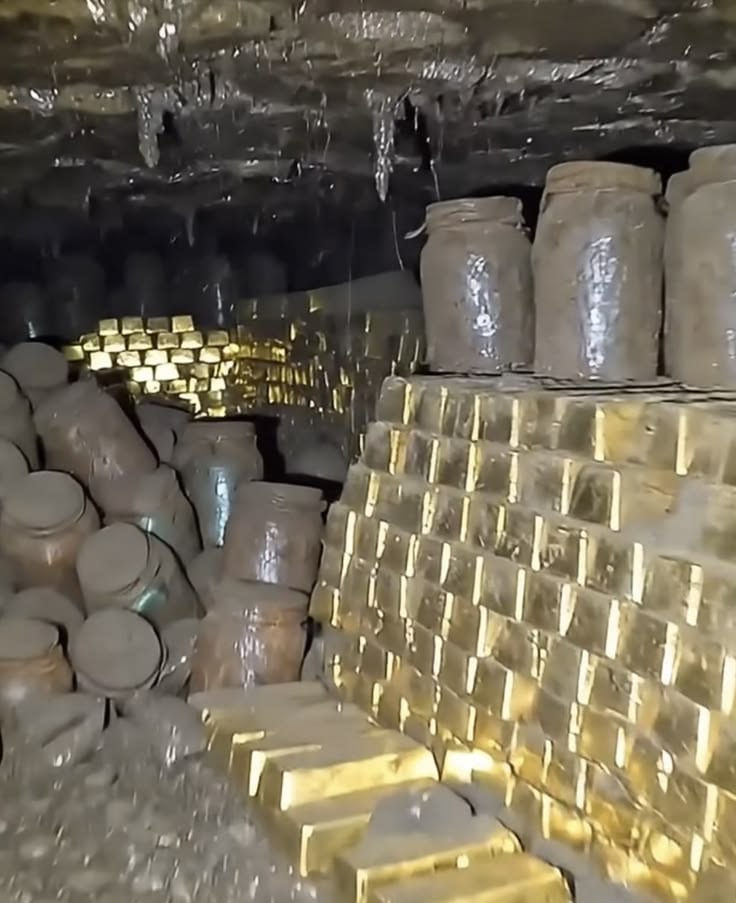
Poland is the “Promised Land” for treasure hunters. It was here, during the final months of World War II, that the Nazis—panicked by the advancing Red Army—hid looted gold, priceless artworks, and secret documents. While some finds have become legendary, many remain shrouded in mystery.
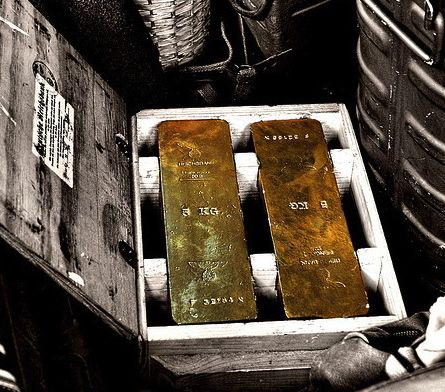
1. The Gold Train (Wałbrzych)
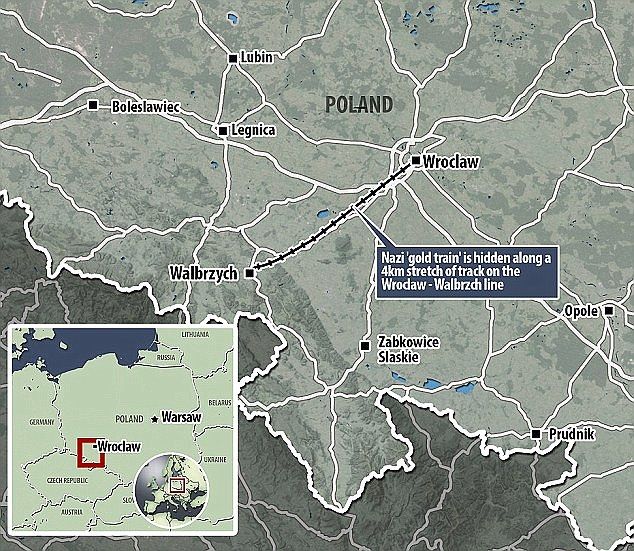
This is perhaps the most famous legend of recent years. In 2015, the world was captivated by reports that two hunters had used ground-penetrating radar to locate an armored train in a bricked-up tunnel at kilometer 65 of the Wrocław-Wałbrzych railway line.
- The Legend: The train was allegedly filled with gold from Wrocław’s banks, jewels, and strategic industrial materials.
- The Reality: Despite extensive excavations, the train itself has not been found. Geologists suggest the radar images were ground anomalies, but treasure hunters remain convinced the train is hidden deeper within the Project Riese tunnel system.
2. Project Riese (Owl Mountains)
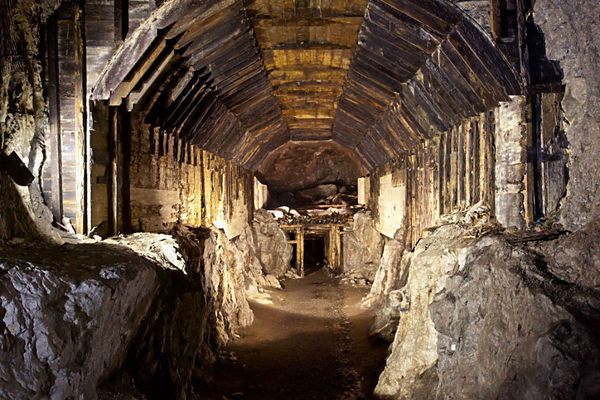
In Lower Silesia lies the gargantuan underground complex known as Riese (The Giant). This is a system of tunnels and halls carved directly into the rock, the true purpose of which remains a mystery to this day.
- The Mystery: Many sections were blown up and collapsed by the Nazis at the end of the war. It is believed that these inaccessible chambers house Third Reich archives, stolen valuables, or even prototypes of “Wunderwaffe” (Wonder Weapons).
- Key Sites: Książ Castle, Włodarz, and Osówka.
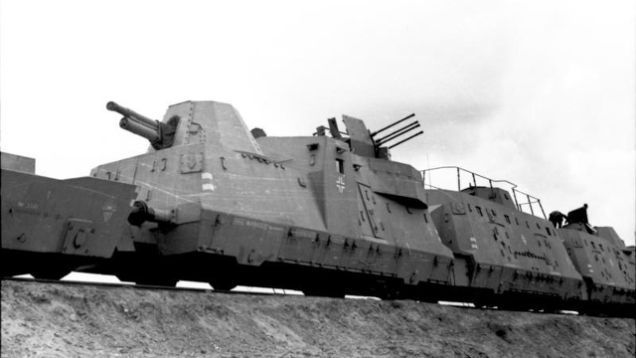
3. The Amber Room (Mamerki)
The “Eighth Wonder of the World,” stolen by the Nazis from St. Petersburg, vanished in 1945 in Königsberg (modern-day Kaliningrad). However, leads often point to the Polish town of Mamerki.
- Why there? Mamerki was the site of one of the best-preserved German bunker complexes (the Headquarters of the Wehrmacht Land Forces).
- The Search: In 2016 and 2017, deep drilling took place after radar showed a hidden room. While only a technical space was found, the Amber Room remains history’s greatest unsolved puzzle.
4. The SS Officer’s Diary and the Minkowskie Palace
In 2019, a diary belonging to an SS officer using the pseudonym “Michaelis” surfaced, describing 11 locations in Lower Silesia where treasure was hidden.
- Minkowskie Palace: According to the diary, 48 crates of gold (approximately 10 tons) from the Reichsbank are buried in the grounds of an old greenhouse.
- Current Status: The Silesian Bridge Foundation is currently conducting legal archaeological research at the site. While some artifacts have been recovered, the main cache is still being sought.
5. The Gold of Breslau (Wrocław)
As the Red Army approached Wrocław (then Breslau), the police headquarters reportedly ordered the evacuation of all valuables belonging to citizens and banks.
- Where did it go? Crates of gold and jewelry were loaded onto trucks and headed toward the Sudetes Mountains. They were never seen again. Many believe they are hidden in flooded mines or abandoned tunnels near Mount Ślęża.

🕵️♂️ Can You Join the Hunt? (Legal Requirements)
Poland has very strict laws regarding treasure hunting. If you plan to visit in 2026, you must know the following:
- Permits: To search with a metal detector, you need a permit from the regional heritage office (Wojewódzki Konserwator Zabytków).
- Ownership: By law, anything found in the ground that has historical value belongs to the state. Finders may receive a reward, but keeping the find is a criminal offense.
- Danger: Polish forests are still littered with unexploded ordnance. Furthermore, many Nazi hiding spots were booby-trapped during their retreat.