Jakarta, the capital of Indonesia, is one of the world’s most sprawling and densely populated megacities. It is a relentless, chaotic, yet utterly vital hub that drives the nation’s economy and defines its modern identity. Formerly known as Batavia during the Dutch colonial era, Jakarta is a city where history, high-rise luxury, and street-level vibrancy collide.
Often overwhelming, a visit to Jakarta is an immersion into non-stop action, characterized by notoriously heavy traffic, a vibrant street food scene, and a profound contrast between the ultra-modern skyline and the low-lying historical quarters.
I. 🏰 Historical Heart: Kota Tua (Old Batavia)
The Dutch colonial legacy is most evident in Kota Tua (Old City), the former administrative center of Batavia.
1. Fatahillah Square
The central hub of Kota Tua, this large cobbled square is surrounded by 17th-century Dutch colonial buildings. It’s a popular spot for street performers, food vendors, and locals relaxing.
- Jakarta History Museum (Fatahillah Museum): Located in the former City Hall, this museum offers a look into Jakarta’s long history, from prehistoric times through the colonial era.
- Wayang Museum: Dedicated to the traditional Javanese puppetry art (Wayang), showcasing wooden and leather puppets from across the archipelago.
2. The Canals and Glodok (Chinatown)
The area still retains some of the old Dutch canals, though they are no longer used for transport. Just south of Kota Tua lies Glodok, Jakarta’s historic Chinatown, a bustling district filled with temples, traditional medicine shops, and electronics markets.
II. 🏛️ National Icons and Modern Landmarks
New Jakarta is characterized by its dedication to national pride and religious diversity.
1. The National Monument (Monas)
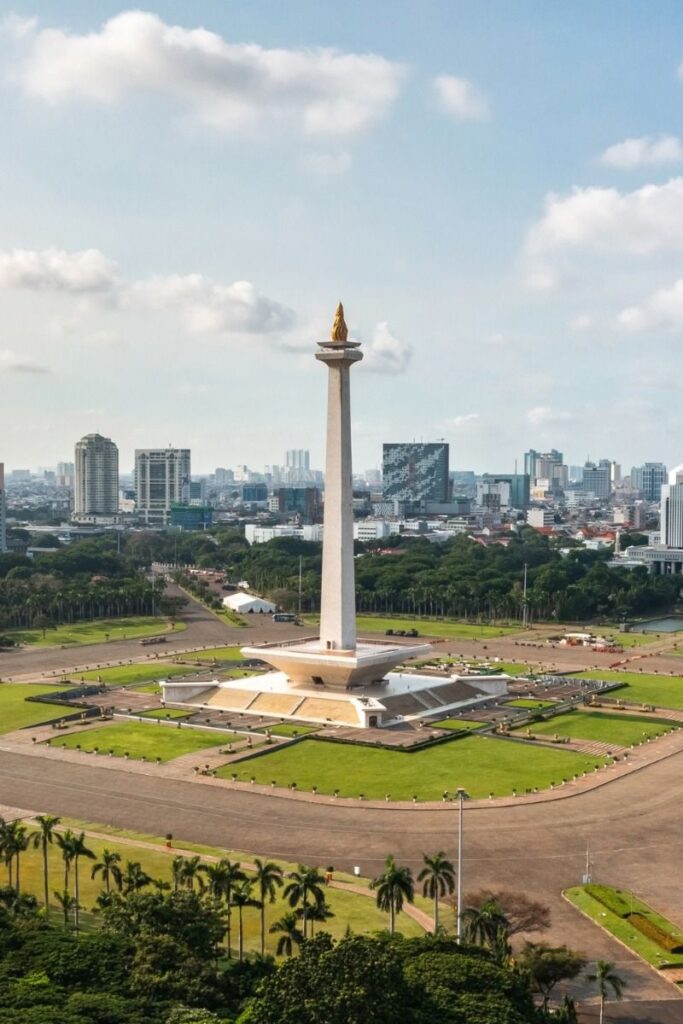
The towering Monas is the 132-meter marble obelisk that stands proudly in Merdeka Square. Built to commemorate Indonesia’s struggle for independence, its pinnacle is topped with a flame coated in gold foil.
- Observation Deck: Take an elevator to the top for a panoramic, if often hazy, view of the sprawling city.
2. Istiqlal Mosque and Jakarta Cathedral
Side-by-side, these two powerful religious structures symbolize the country’s religious tolerance.
- Istiqlal Mosque: The largest mosque in Southeast Asia, built to commemorate Indonesian independence.
- Jakarta Cathedral: A beautiful, Gothic-style Roman Catholic cathedral built in 1901. The close proximity of these two grand buildings is a powerful visual statement.
3. Shopping and Malls
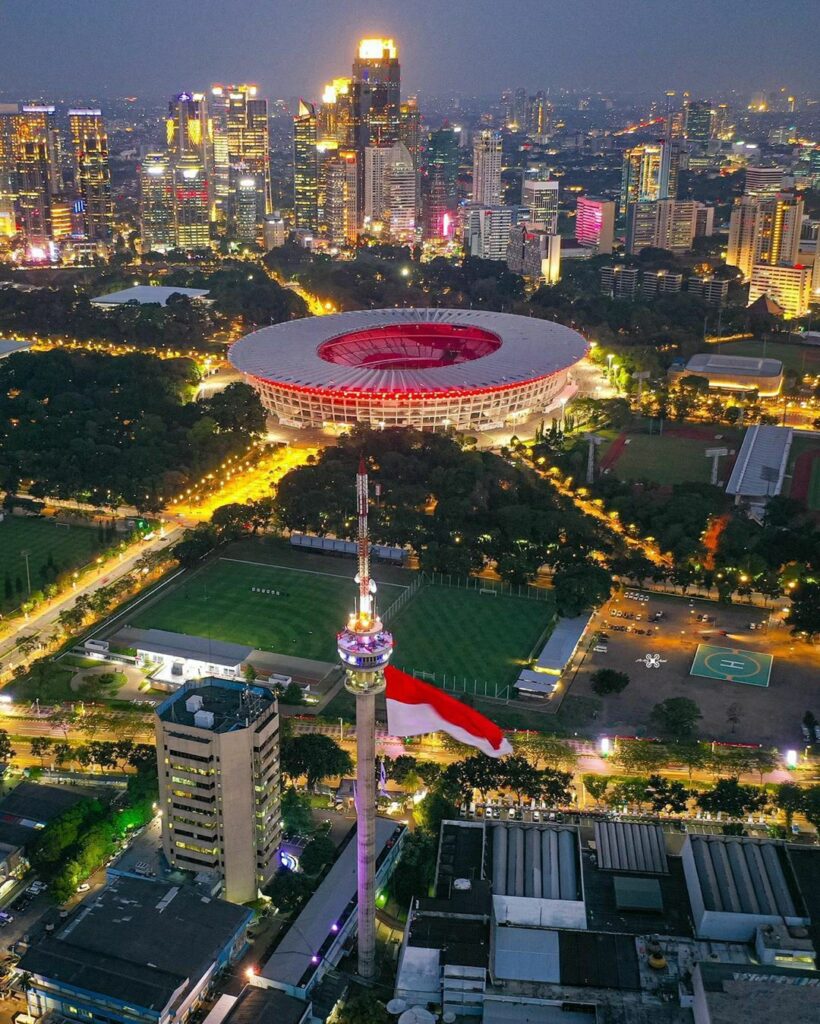
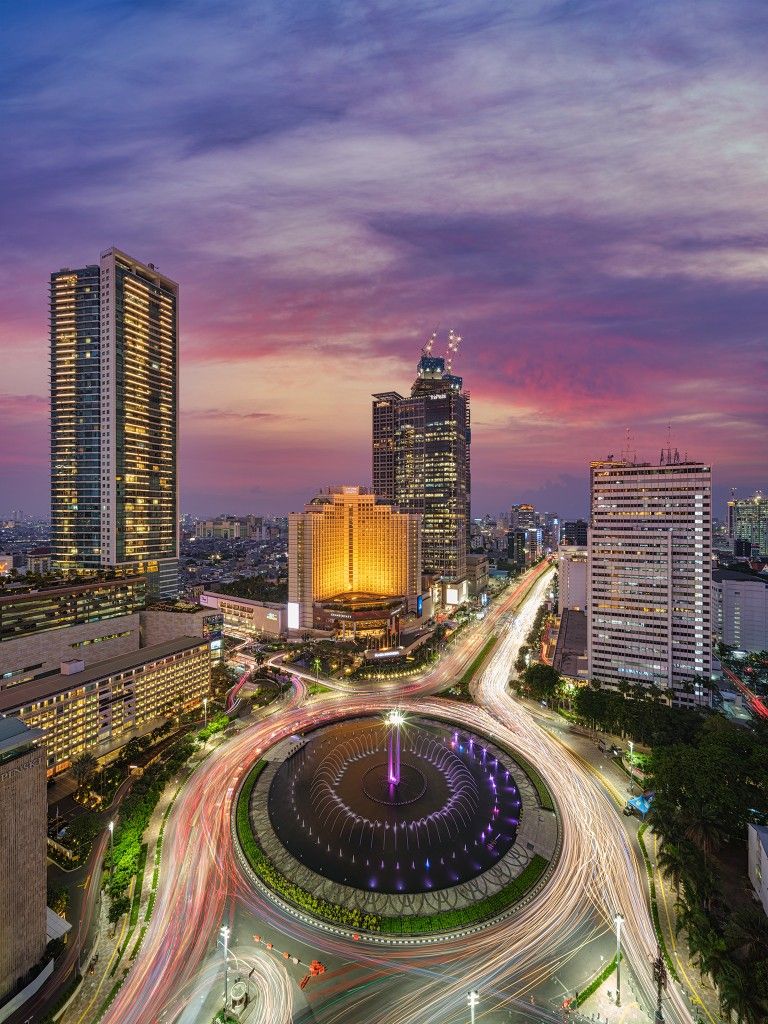
Jakarta is a city of malls, which serve as social and entertainment centers, often offering relief from the heat and traffic. The areas around Sudirman Central Business District (SCBD) and Thamrin boast high-end malls and modern skyscrapers.
III. 🍜 The Street Life and Culinary Scene
Jakarta’s pulse is felt most intensely in its traffic and its food.
1. Transport Chaos and Innovation
The traffic (known locally as macet) is legendary. However, the city’s transport culture has been transformed by local tech giants:
- GoJek and Grab: These ride-hailing apps are essential. You can book cars, but the most efficient way to navigate the traffic is via motorbike taxis (ojek), which are fast and inexpensive.
- TransJakarta: An extensive Bus Rapid Transit (BRT) system provides dedicated bus lanes, offering a faster alternative to general road traffic.
2. Culinary Capital of the Archipelago
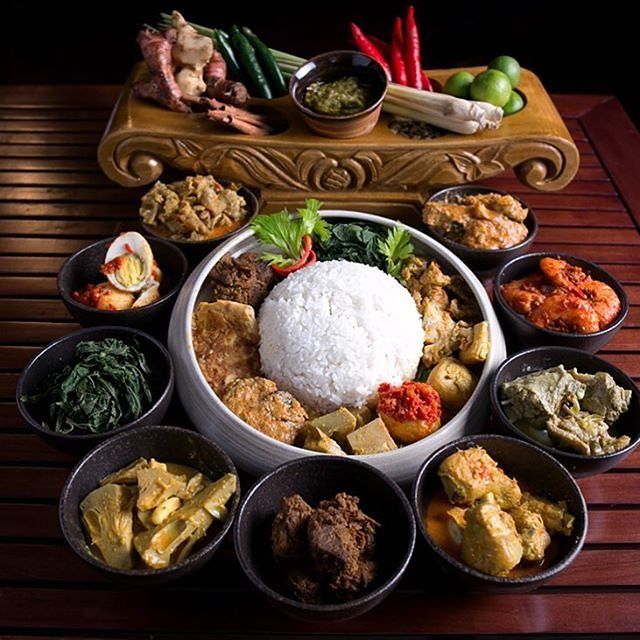
As people from across Indonesia migrate here, Jakarta has become a hub for the country’s incredibly diverse cuisine.
- Soto Betawi: A creamy, rich beef soup made with coconut milk and served with rice and crackers—a signature dish of Jakarta’s indigenous Betawi people.
- Nasi Goreng (Fried Rice): The ubiquitous Indonesian dish, often served with chicken or seafood and a fried egg.
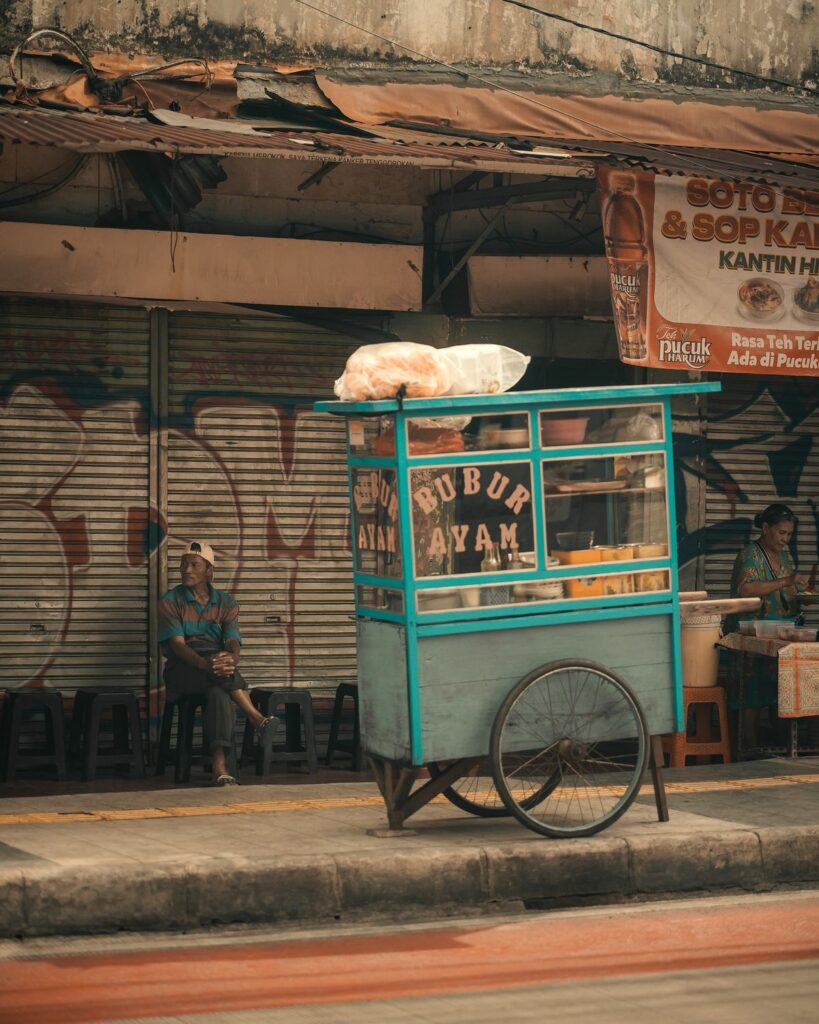
- Street Food: Explore areas like Glodok or the night food markets for authentic, fiery Indonesian dishes.
IV. 💡 Practical Tips for Navigating Jakarta
| Category | Advice |
| Currency | Indonesian Rupiah (IDR). |
| Connectivity | SIM Card. Get a local SIM card (e.g., Telkomsel) at the airport immediately, as reliable data is crucial for using Grab/GoJek apps and navigation. |
| Climate | Tropical and Humid. Expect high temperatures year-round (around 30C and high humidity. Dress in light, breathable fabrics. |
| Water | Drink only bottled water. |
| Language | Bahasa Indonesia is the official language, but English is widely understood in the business districts and major hotels. |
| Best Time | June to September. This is the dry season, offering slightly less rainfall and humidity, although traffic remains constant. |

Jakarta is an electric, challenging, and vibrant experience. It is the real-time laboratory of modern Indonesia, demanding energy from its visitors but rewarding them with unique historical context and phenomenal street food.
Dear fellow travelers, if my articles have helped you or inspired your journeys, you can support me in a very simple way. If you book your flights, hotels, or tickets through the links below, I will receive a small commission from the sale. This costs you absolutely nothing extra (the prices remain exactly the same for you), but it truly helps me take my children on our next adventure and write the next detailed travel guide.
Here are the services I personally use on our travels and that you can rely on:
-
 Flights: I prefer to compare prices using Kiwi.com : last minute flights : https://kiwi.tpk.lv/8NQF6GkN or through the global search engine Aviasales : https://aviasales.tpk.lv/gKYbo853 .
 -
 Accommodation: 90% of our stays are booked traditionally through Booking.com : https://booking.tpk.lv/cLbuaDaA. If we are traveling to Asia, Agoda : https://agoda.tpk.lv/OwlTkUi6 often offers better prices and deals.
 -
 Experiences & Tickets: To avoid standing for hours in ticket queues for landmarks with my children, I buy them in advance via GetYourGuide : https://getyourguide.tpk.lv/V6GC2pLm or through [Viator : https://viator.tpk.lv/jKVITxSH .
 -
 Car Rental: When we need a car on our journeys, I compare rental prices through QEEQ : Diamond Membership : https://qeeq.tpk.lv/1YoVmDCm ,
 -
 Internet Abroad: To have mobile data immediately upon arrival and avoid hunting for local SIM cards, I use a digital eSIM via Airalo : https://airalo.tpk.lv/YGyayoZj .
Thank you for every single click and booking; I deeply appreciate it!