Berlin, the capital of Germany, is undoubtedly one of the most fascinating cities in Europe. It is not beautiful in the conventional sense—its architecture is often functional and fragmented—but its unparalleled energy, creativity, and openness attract millions. Berlin is an open history textbook that you must travel through to understand the 20th century.
The city’s charisma lies in its contrasts: on one hand, imposing Prussian palaces and museums, on the other, decaying squat houses transformed into centers of alternative culture and street art. The city is constantly changing, but its spirit of freedom, born after the fall of the Wall, persists in every neighborhood (Kiez).
Prepare for a journey from the darkness of the Cold War to the neon light of world-famous clubs.
I. 🧱 Historical Scars and Symbols of Unification
Berlin’s most important landmarks commemorate the pivotal events that shaped modern Europe.
1. The Brandenburg Gate (Brandenburger Tor)
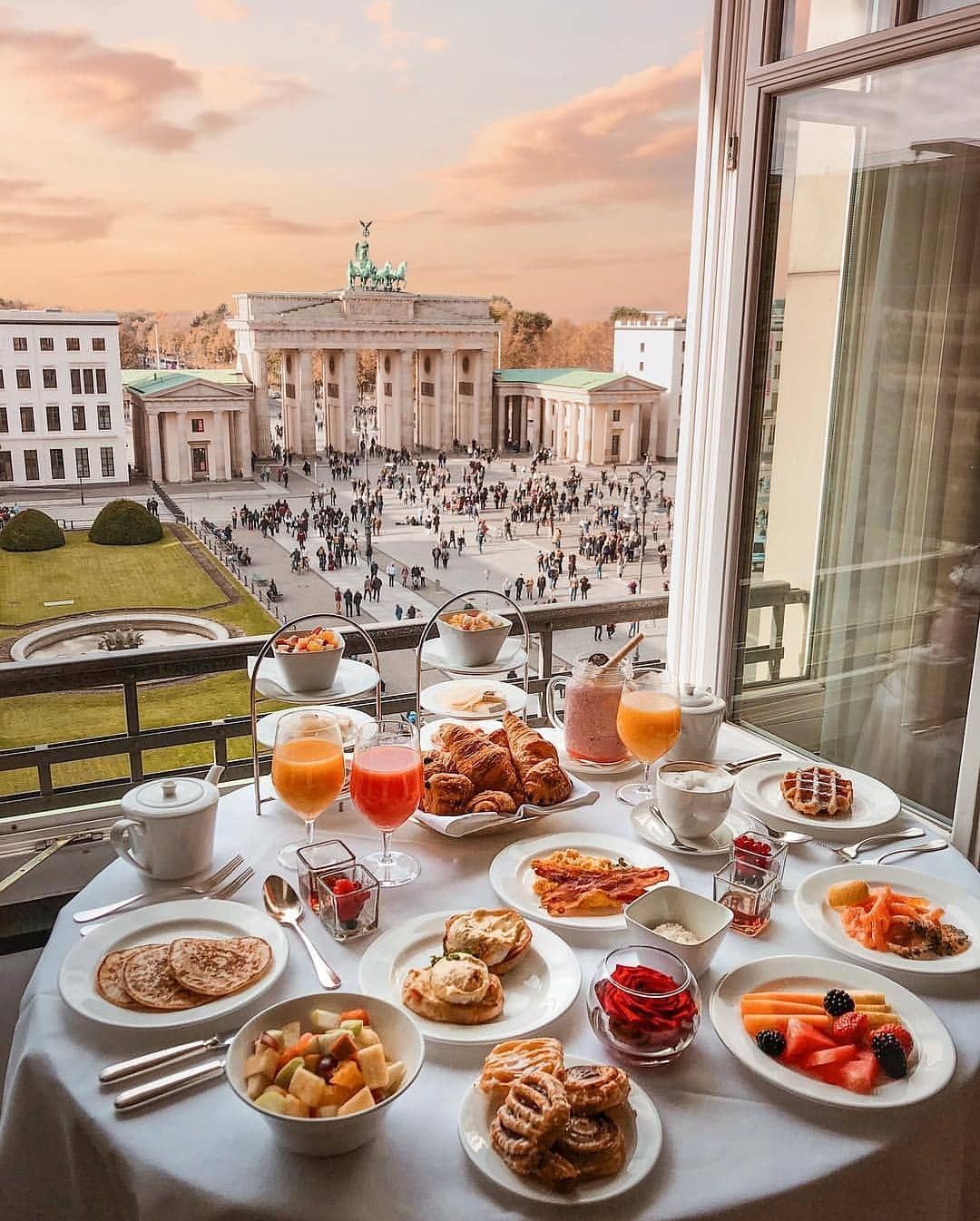
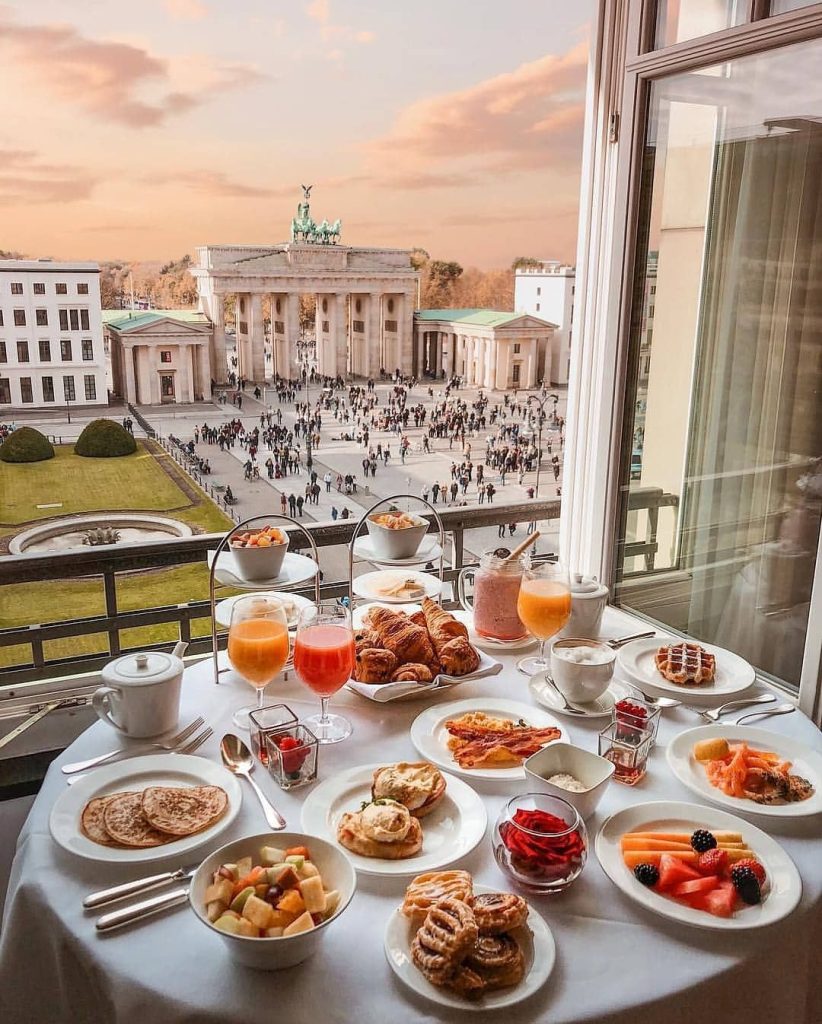
This neoclassical gate, built in 1791, is undeniably the symbol of Berlin and German reunification. It has witnessed historical marches, as well as the triumph of freedom when, in 1989, it became the site of celebrations for the fall of the Berlin Wall. At its summit stands the statue of the goddess of victory (the Quadriga).
2. The Reichstag Building
The seat of the German Parliament became a symbol of the fall of democracy after the fire in 1933, but after reunification, it was reconstructed and now serves its original purpose. Architect Norman Foster added the iconic glass dome, which is accessible to the public. A visit to the dome offers a stunning 360 view of the city and symbolically demonstrates the transparency of politics. Tickets must be booked in advance.
3. The Wall Memorial and Checkpoint Charlie
- East Side Gallery: The longest continuous, 1.3 km long section of the original Berlin Wall, which was transformed into an international open-air gallery after 1989. It features over 100 paintings, the most famous of which is the kiss between Leonid Brezhnev and Erich Honecker.
- Checkpoint Charlie: The former best-known border crossing between East and West Berlin (connecting the American and Soviet sectors). Although it is now a replica of the customs post, it recalls the tense moments of the Cold War. The nearby Mauermuseum (Wall Museum) recounts the stories of escape attempts in detail.
4. Memorial to the Murdered Jews of Europe (Holocaust Memorial)
Near the Brandenburg Gate lies a monumental memorial by architect Peter Eisenman, consisting of 2711 concrete pillars of varying heights. It acts as a chilling labyrinth, intended to evoke a sense of disorientation and introspection in visitors, commemorating the victims of the Holocaust.
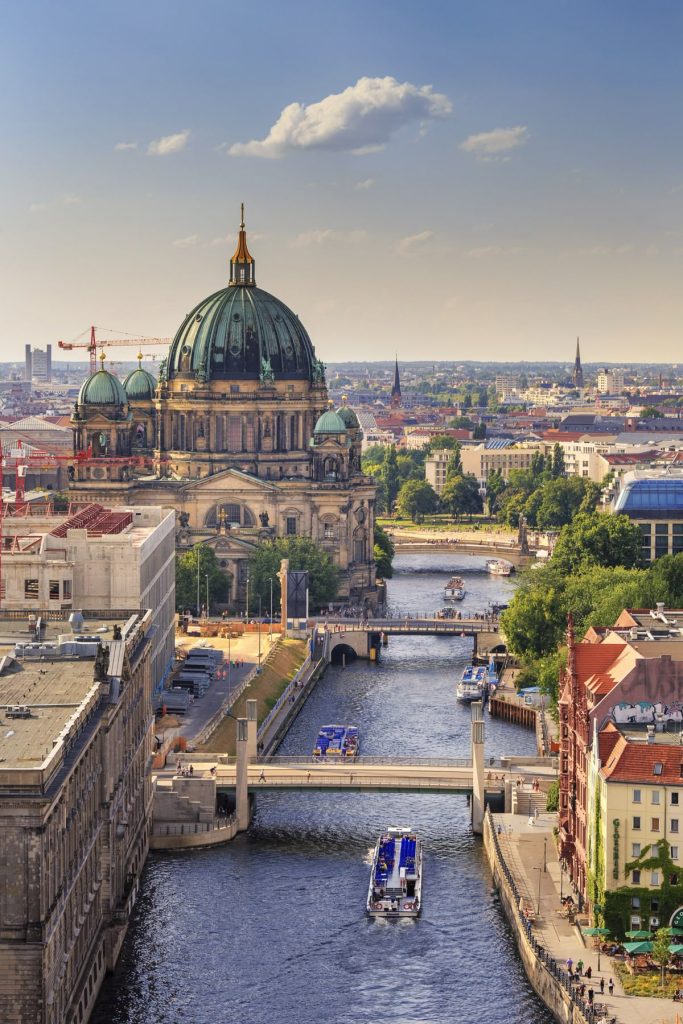
II. 🏛️ Culture, History, and Museum Island
Berlin is one of the world’s largest museum metropolises, with five of its most significant institutions located in one spot.
Museum Island (Museumsinsel) – A UNESCO World Heritage Site
This complex on the Spree River unites five museums illustrating the evolution of European museology:
- Pergamon Museum (Pergamonmuseum): The most visited museum, which houses monumental reconstructions of ancient architectural works, such as the Ishtar Gate from Babylon and the Pergamon Altar (currently under renovation).
- Altes Museum (Old Museum): Classical antiquity art.
- Neues Museum (New Museum): Home to the world-famous bust of the Egyptian Queen Nefertiti.
- Bode Museum: Focuses on sculpture and Byzantine art.
- Alte Nationalgalerie (Old National Gallery): A collection of 19th-century art, including Impressionists and Romantics.
Other Gems:
- Humboldt Forum: A modern cultural center and museum, built on the foundations of the original Berlin Palace, connecting tradition with global cultures.
- Deutsches Technikmuseum Berlin: The German Museum of Technology is excellent for families and science enthusiasts, offering interactive exhibitions on aviation, railways, and industry.

III. 🍸 Neighborhoods and Lifestyle (Kieze)
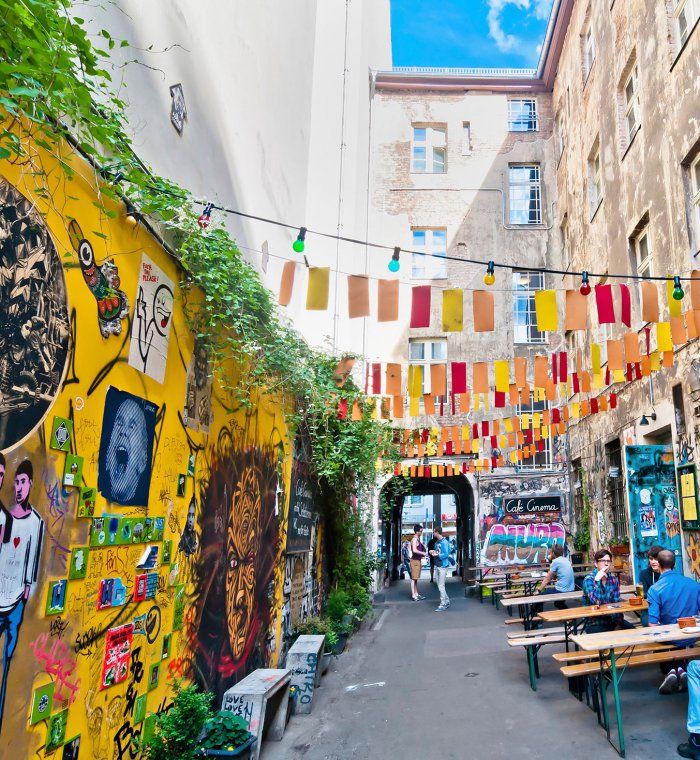
Berlin is more of a collection of villages than a single city. Each Kiez (district) has its own unmistakable atmosphere:
- Mitte (Center): The historical and governmental heart. You will find most major landmarks, museums, and the Berlin TV Tower (Fernsehturm) at Alexanderplatz, which offers an unparalleled view.
- Kreuzberg: The former alternative and bohemian district of West Berlin. It is the center of the Turkish community and street art. The birthplace of the legendary punk rock club SO36.
- Friedrichshain: Home to the East Side Gallery and the most famous techno clubs. It has a busy and youthful atmosphere.
- Prenzlauer Berg: Once an area of squats, today the most popular family district. It is known for its well-maintained old buildings (Altbau), cozy cafes, and markets, such as the famous Mauerpark karaoke every Sunday.
IV. 🍽️ Culinary Fusion and German Street Food
Berlin’s cuisine is a reflection of its multicultural identity, where classic German dishes meet immigrant influences.
1. Fast Food Legends
- Currywurst: The iconic Berlin-socialist delicacy. It consists of sliced pork sausage topped with ketchup flavored with curry powder. Although served throughout the country, Berlin is its uncrowned king.
- Döner Kebab: Thanks to the large Turkish community, Berlin is considered the Döner capital of Europe. Stalls like Mustafa’s Gemüsekebab are globally known for their kebab with fresh vegetables and secret sauces.
2. Traditional Dishes
- Flammkuchen: A crispy, thin Alsatian bread similar to pizza, typically topped with sour cream, onions, and bacon.
- Berliner (Pfannkuchen): A traditional jam-filled doughnut, consumed especially during New Year’s Eve.
V. 🎧 Nightlife: The Mecca of Electronic Music
Berlin’s nightlife is legendary thanks to its “24/7 culture,” which has no fixed closing time. It is a place where techno has become an art form.
- Techno and Club Scene: Clubs are often located in abandoned industrial buildings or former power plants. Legends include Berghain (known for its strict entry selection) and Tresor (a pioneer of the techno scene).
- Atmosphere: Unlike other places, Berlin emphasizes comfortable clothing, dark colors, and authenticity. Entry prices are usually higher, but clubs remain open deep into Sunday afternoon.
- Bars and Kneipen: For a more relaxed evening, choose a traditional German bar (Kneipe) in districts like Kreuzberg or Neukölln.
💡 Practical Tips for Travelers
| Category | Tip |
| Transport | Berlin’s public transport (U-Bahn [metro], S-Bahn [light rail], trams, and buses) is efficient. Buy a day ticket (Tageskarte) or the Berlin WelcomeCard. |
| Money | Euros (EUR). Although many places accept cards, always carry cash, especially when paying in small cafes, Kneipen, or street food stalls. |
| Language | Although German is the official language, you can easily communicate in English in Berlin due to its international community. |
| Accommodation | The best neighborhoods to stay in are Mitte (for landmarks), Kreuzberg/Friedrichshain (for nightlife and atmosphere), and Prenzlauer Berg (for quiet cafes). |
| Weather | Summers are warm, but the autumn and winter months can be cold and windy. The best time to visit is May to September. |
Dear fellow travelers, if my articles have helped you or inspired your journeys, you can support me in a very simple way. If you book your flights, hotels, or tickets through the links below, I will receive a small commission from the sale. This costs you absolutely nothing extra (the prices remain exactly the same for you), but it truly helps me take my children on our next adventure and write the next detailed travel guide.
Here are the services I personally use on our travels and that you can rely on:
-
 Flights: I prefer to compare prices using Kiwi.com : last minute flights : https://kiwi.tpk.lv/8NQF6GkN or through the global search engine Aviasales : https://aviasales.tpk.lv/gKYbo853 .
 -
 Accommodation: 90% of our stays are booked traditionally through Booking.com : https://booking.tpk.lv/cLbuaDaA. If we are traveling to Asia, Agoda : https://agoda.tpk.lv/OwlTkUi6 often offers better prices and deals.
 -
 Experiences & Tickets: To avoid standing for hours in ticket queues for landmarks with my children, I buy them in advance via GetYourGuide : https://getyourguide.tpk.lv/V6GC2pLm or through [Viator : https://viator.tpk.lv/jKVITxSH .
 -
 Car Rental: When we need a car on our journeys, I compare rental prices through QEEQ : Diamond Membership : https://qeeq.tpk.lv/1YoVmDCm ,
 -
 Internet Abroad: To have mobile data immediately upon arrival and avoid hunting for local SIM cards, I use a digital eSIM via Airalo : https://airalo.tpk.lv/YGyayoZj .
Thank you for every single click and booking; I deeply appreciate it!