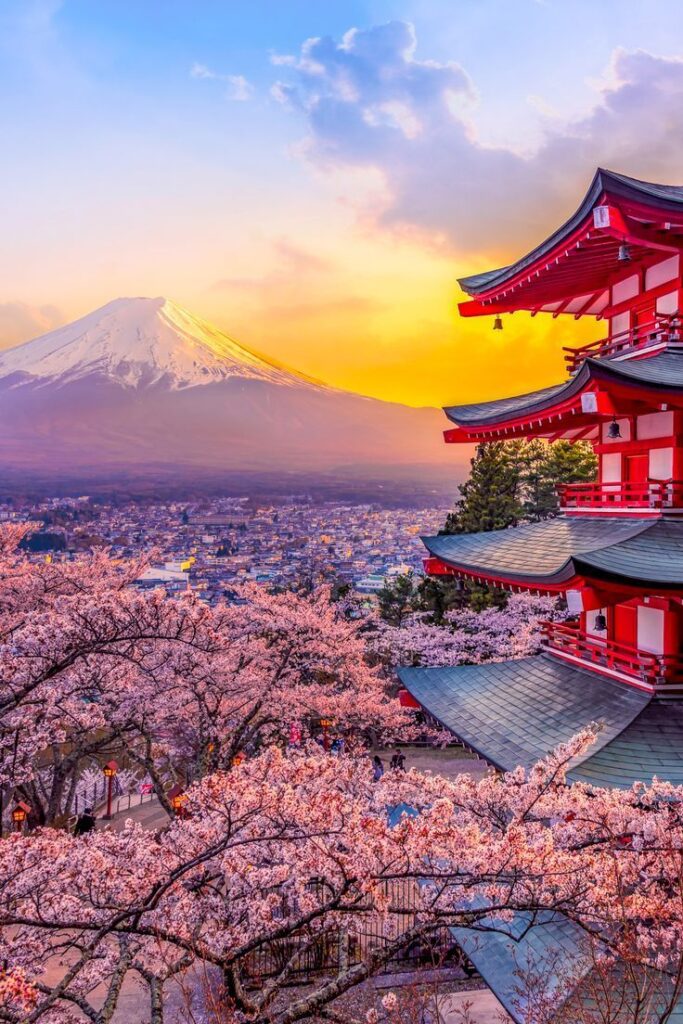
Welcome to Tokyo, a vast, electric metropolis that simultaneously embraces the quiet wisdom of ancient temples and the dazzling chaos of digital innovation. Tokyo is clean, polite, impossibly efficient, and a relentless sensory feast. Prepare for a journey to the future that is surprisingly rooted in tradition!
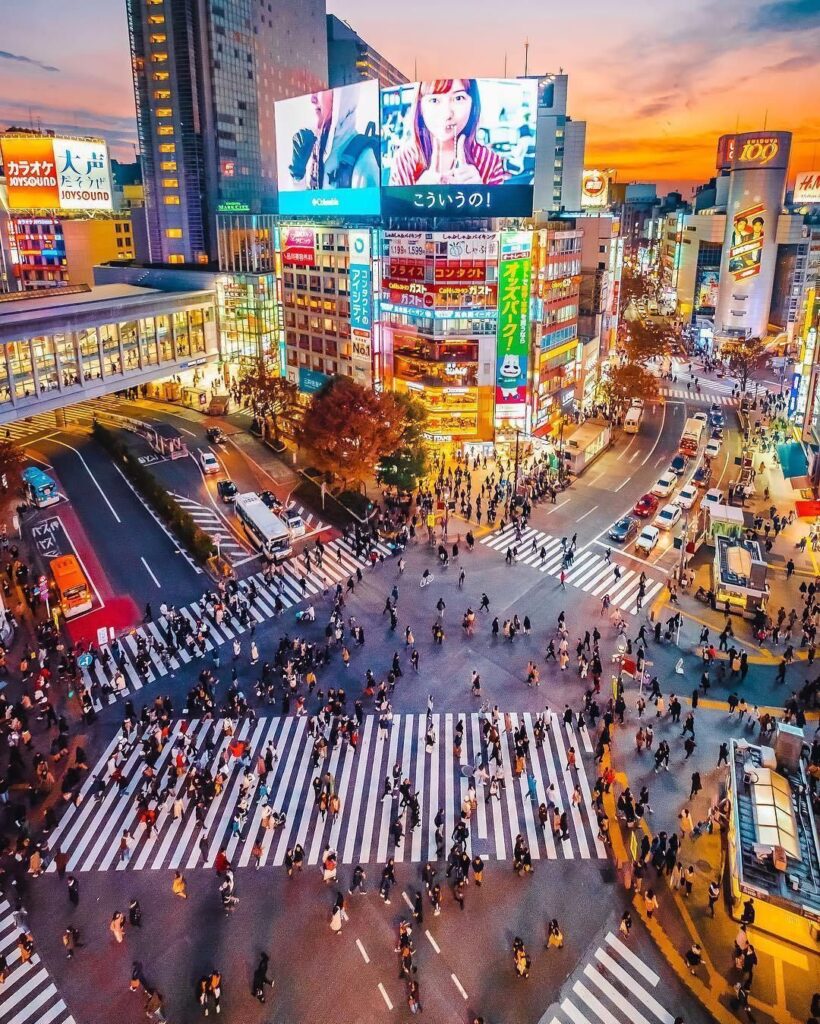
1. Crossing the Tides: Shibuya Scramble
You haven’t truly been to Tokyo until you’ve experienced the Shibuya Crossing—the world’s busiest intersection.
- The Chaos and the Calm: When the lights turn red, traffic stops in all directions, and hundreds of people stream across the street simultaneously. It’s controlled chaos, perfectly symbolizing Tokyo’s highly functional energy.
- Best View: Grab a coffee at the second-floor Starbucks in the Tsutaya building for a fantastic, elevated view of the entire spectacle.
- Hachiko: Don’t forget to pay your respects to the statue of Hachiko, the loyal dog whose story is a worldwide symbol of dedication, located right outside the Shibuya Station exit.
2. A Taste of Old Tokyo: Senso-ji Temple
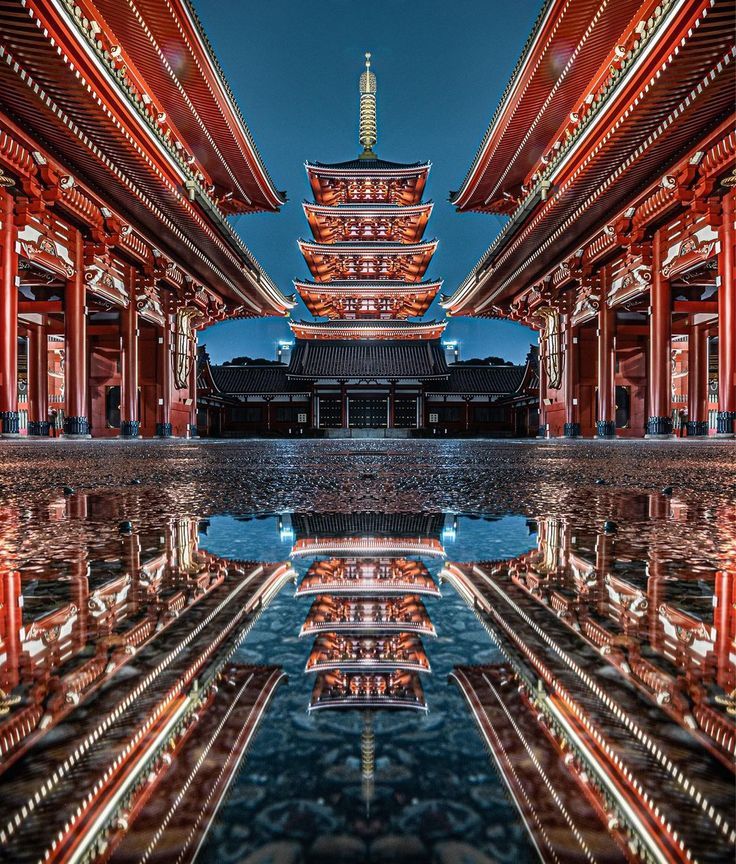
Despite the neon glow, Tokyo deeply respects its past. Head to Asakusa for a glimpse of Edo-era Tokyo.
- Senso-ji Temple: This is the city’s oldest and most significant temple, dedicated to the Goddess of Mercy. It’s believed to have been founded in the 7th century.
- Nakamise-dori: Walk down the lively street leading to the temple, lined with traditional stalls selling snacks, souvenirs, and crafts since the Edo period. It’s a perfect contrast to the surrounding modernity.
3. The Culinary Obsession: Michelin Stars and Ramen Stalls
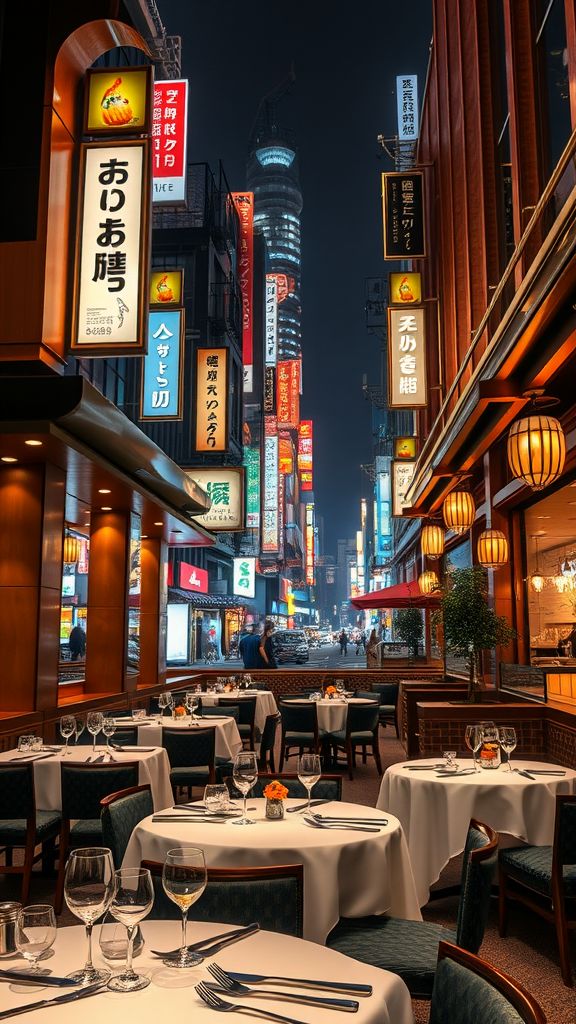
Tokyo is a global culinary powerhouse—it boasts more Michelin stars than any other city, but its true magic lies in its accessible street food.
- Ramen Ritual: Eating ramen is mandatory. Seek out tiny, high-quality ramen stalls where you often order your meal from a vending machine before taking a seat. Try Shoyu (soy sauce) or Tonkotsu (pork bone broth) styles.
- Tsukiji Outer Market: While the famous wholesale market moved, the Tsukiji Outer Market remains a glorious hub of small stalls selling fresh sushi, sashimi, and incredibly delicious street snacks. Arrive early for the freshest bites!
4. The Extreme of Culture: Harajuku and Ginza
Tokyo’s neighborhoods are wildly diverse, showcasing the city’s range from ultra-trendy rebellion to extreme luxury.
- Harajuku (The Extreme): Visit Takeshita Street on a Sunday to witness unique youth fashion, “Kawaii” culture, and extravagant street snacks like rainbow cotton candy and giant crêpes.
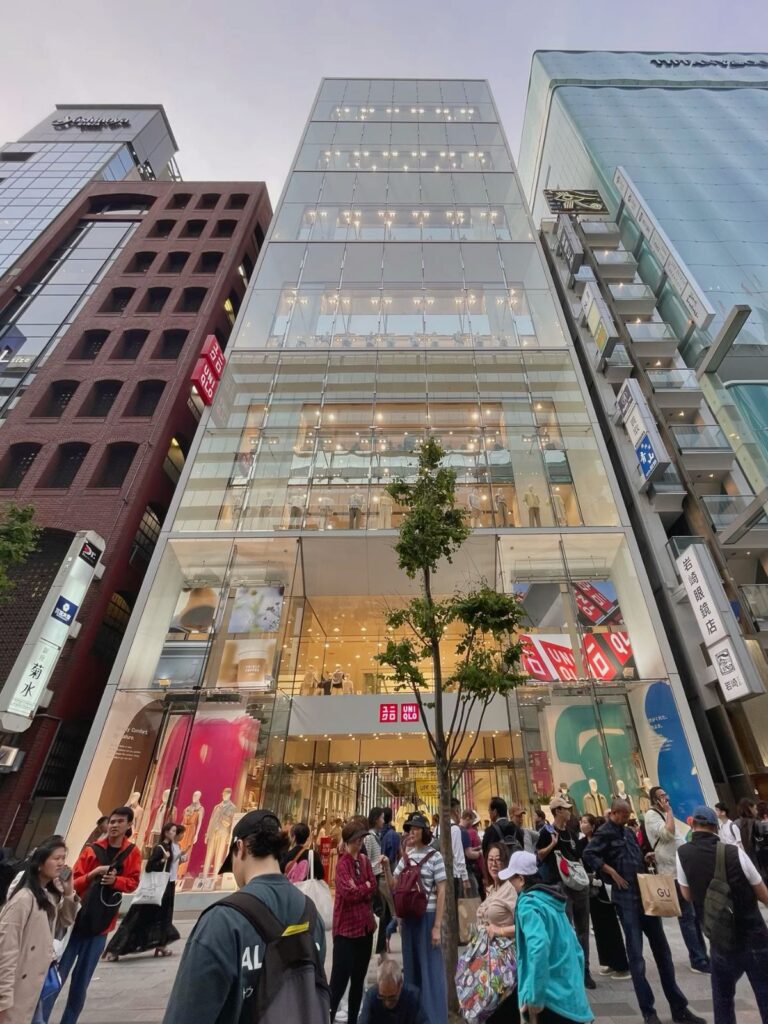
- Ginza (The Elegant): This district is Tokyo’s answer to Fifth Avenue or the Champs-Élysées. Home to designer flagship stores, exclusive boutiques, and high-end department stores. It’s the perfect spot to see the refined side of Japanese consumerism.
5. Efficiency and Politeness: The Tokyo Way
Japanese efficiency isn’t an exaggeration; it’s a fundamental part of daily life.
- Public Transport: The subway and train network is unparalleled. It is always clean, always punctual, and often bewilderingly complex—but the process is smooth thanks to impeccable signage and highly organized commuters.
- The “Lost and Found” Legend: Lost something? Tokyo is famous for its honesty. Items are rarely stolen and almost always returned via the robust lost-and-found system.
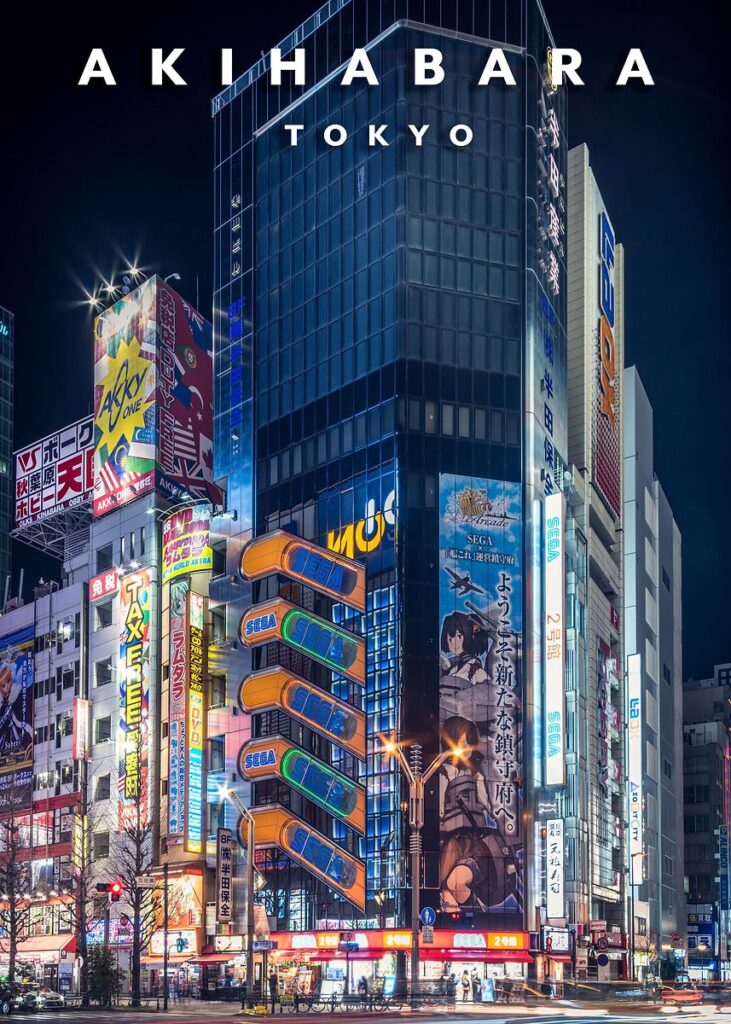
6. Digital Overload: Akihabara Electric Town
For fans of technology, anime, manga, and video games, Akihabara is Mecca.
- Neon Frenzy: This district is saturated with massive electronics stores, retro arcade centers, and specialist anime and manga shops.
- Experience Arcades: Spend an hour in a multi-story arcade like Taito Station or SEGA to witness the vibrant, noisy culture of Japanese gaming firsthand. You might even stumble upon a themed “maid café” for a truly unique Japanese experience!
7. The Emperor’s Green Oasis
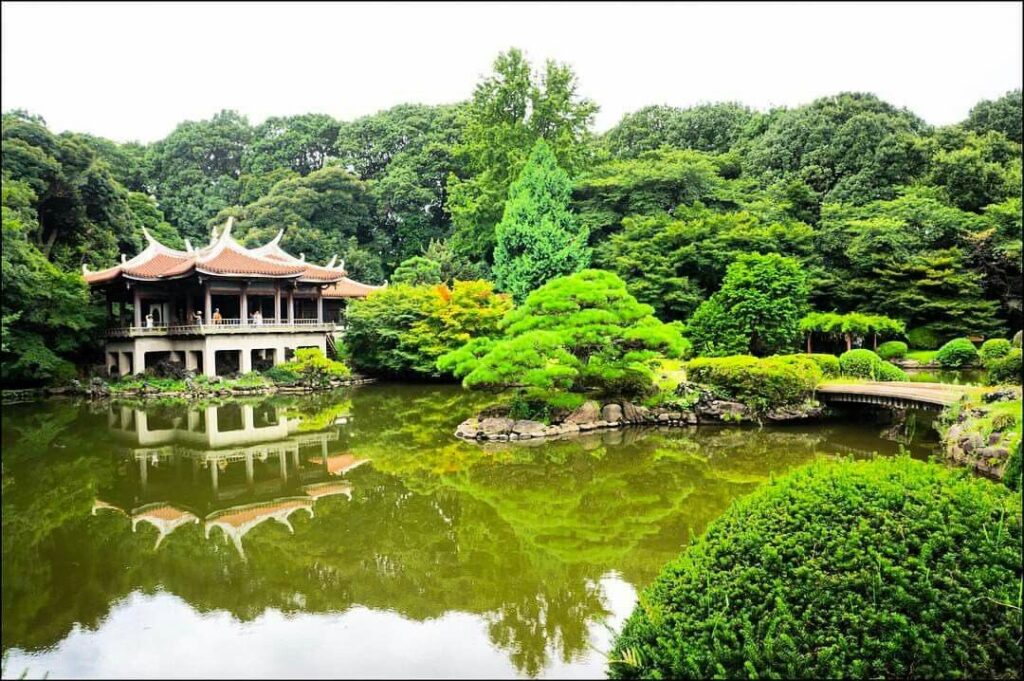
Even in the heart of the bustling metropolis, tranquility can be found.
- The Imperial Palace East Garden: The Imperial Palace, the residence of the Emperor of Japan, sits on large grounds surrounded by moats. While the inner palace grounds are generally inaccessible, the East Garden is open to the public, offering beautiful grounds, stone walls, and a peaceful escape right in the center of the city.
Tokyo is not just a place to visit; it’s a force of nature. It challenges your perceptions of efficiency, beauty, and cuisine, leaving you with an unforgettable realization: the future is here, and it’s being run with ancient wisdom and unparalleled grace.
Dear fellow travelers, if my articles have helped you or inspired your journeys, you can support me in a very simple way. If you book your flights, hotels, or tickets through the links below, I will receive a small commission from the sale. This costs you absolutely nothing extra (the prices remain exactly the same for you), but it truly helps me take my children on our next adventure and write the next detailed travel guide.
Here are the services I personally use on our travels and that you can rely on:
-
 Flights: I prefer to compare prices using Kiwi.com : last minute flights : https://kiwi.tpk.lv/8NQF6GkN or through the global search engine Aviasales : https://aviasales.tpk.lv/gKYbo853 .
 -
 Accommodation: 90% of our stays are booked traditionally through Booking.com : https://booking.tpk.lv/cLbuaDaA. If we are traveling to Asia, Agoda : https://agoda.tpk.lv/OwlTkUi6 often offers better prices and deals.
 -
 Experiences & Tickets: To avoid standing for hours in ticket queues for landmarks with my children, I buy them in advance via GetYourGuide : https://getyourguide.tpk.lv/V6GC2pLm or through [Viator : https://viator.tpk.lv/jKVITxSH .
 -
 Car Rental: When we need a car on our journeys, I compare rental prices through QEEQ : Diamond Membership : https://qeeq.tpk.lv/1YoVmDCm ,
 -
 Internet Abroad: To have mobile data immediately upon arrival and avoid hunting for local SIM cards, I use a digital eSIM via Airalo : https://airalo.tpk.lv/YGyayoZj .
Thank you for every single click and booking; I deeply appreciate it!