Kuala Lumpur (KL), the capital of Malaysia, is a dynamic and cosmopolitan center that celebrates the harmonious blend of Malaysian, Chinese, and Indian cultures. Famous for its groundbreaking architecture and lush greenery, the city is known for its incredible diversity—from luxury shopping malls and iconic towers to traditional markets and temples.
KL is one of the fastest-growing Asian cities, where historical heritage mixes with hyper-modern development. A visit to KL promises an experience full of fantastic food, efficient transportation, and visual contrasts.
I. 🔝 Iconic Landmarks and Skyscrapers
Kuala Lumpur’s skyline is world-famous and defined by several architectural marvels.
1. Petronas Twin Towers
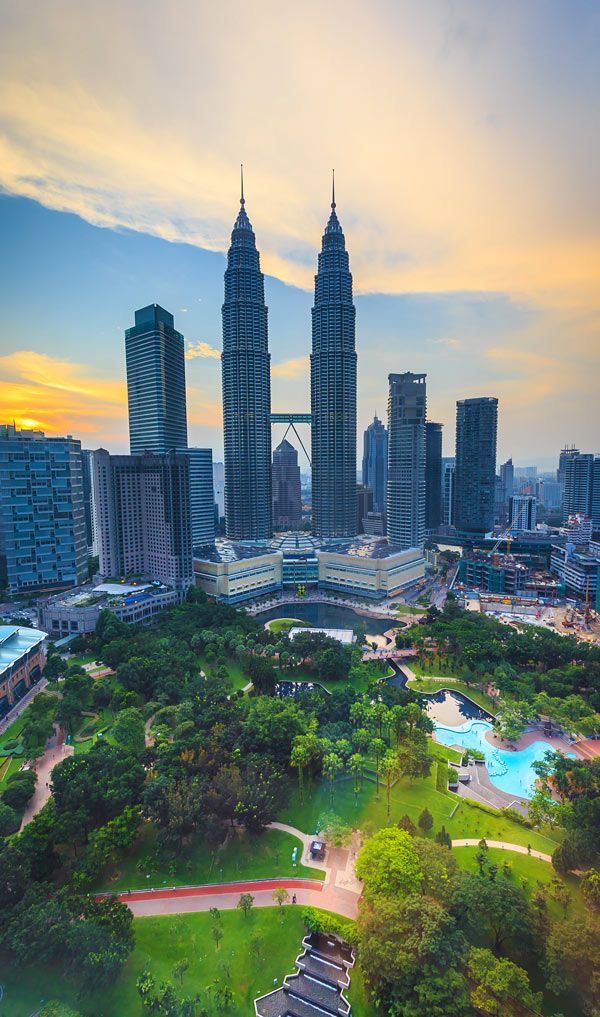
The tallest twin towers in the world and the iconic symbol of Malaysia. These 452-meter towers were once the tallest buildings globally.
- Skybridge: Walk across the bridge that connects the two towers on the 41st and 42nd floors for an elevated view of the city.
- KLCC Park: At the foot of the towers is a landscaped park with fountains and a children’s pool, ideal for evening strolls and photography.
2. KL Tower (Menara Kuala Lumpur)
This telecommunications tower is taller than the Petronas Twin Towers (in terms of usable space, as it stands on a hill) and offers the best 360-degree view of the city skyline.
- Observation Deck and Sky Deck: Offer breathtaking views, with the Sky Deck being an open platform for a maximum thrill experience.
II. 🙏 Cultural Centers and Religious Diversity
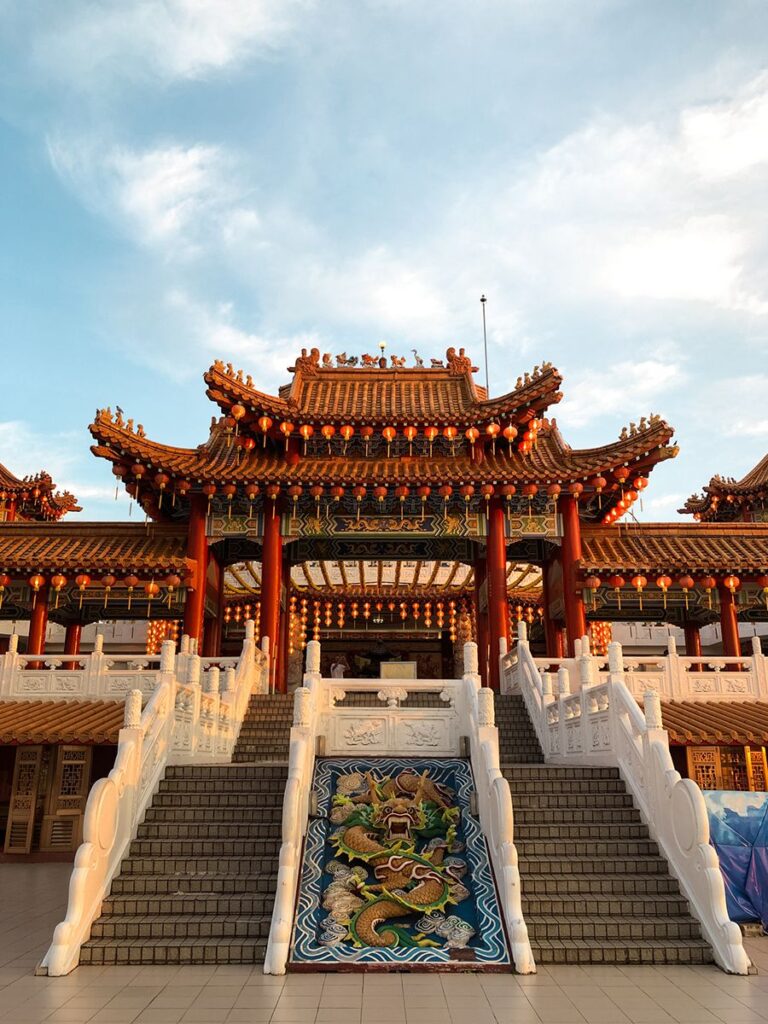
KL is home to diverse religious groups, which is reflected in its landmarks.
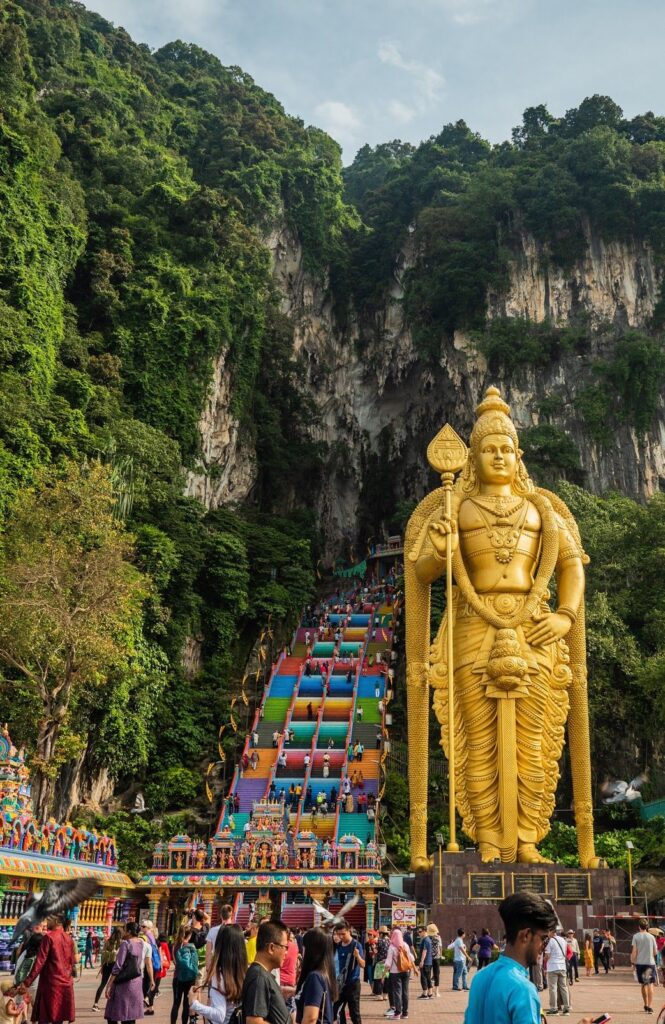
1. Batu Caves
About 13 kilometers north of the city center lies this limestone hill complex with caves. It is one of the most sacred Hindu sites outside of India.
- Golden Murugan Statue: A colossal, 42.7-meter statue of the Hindu deity Murugan stands at its base.
- 272 Steps: You must climb 272 colorful steps to reach the main cave (Cathedral Cave).
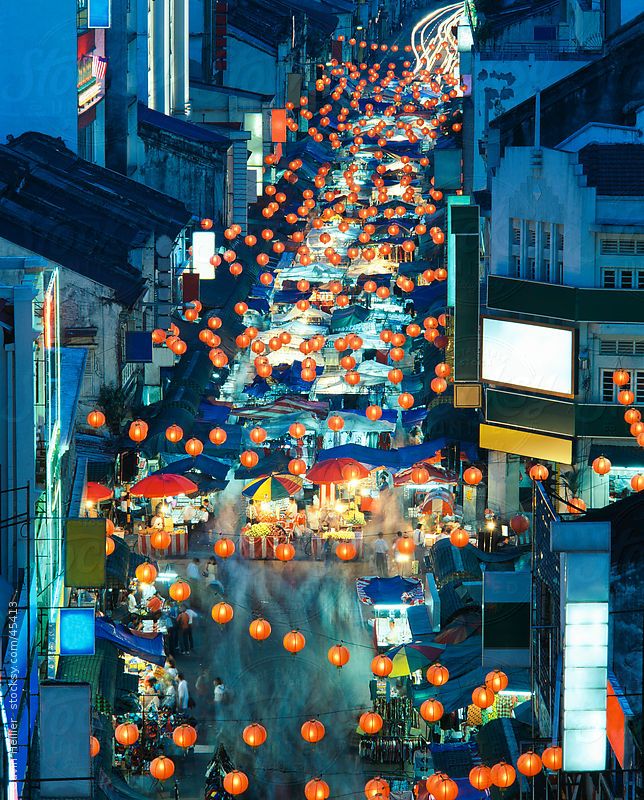
2. Chinatown (Petaling Street)
A bustling and energetic Chinese quarter centered on Petaling Street. This area is known for its marketplace, where you can find almost anything, and bargaining is expected.
- Street Food: An excellent place to sample Chinese-Malaysian street food and fresh fruit juices.
3. Little India (Brickfields)
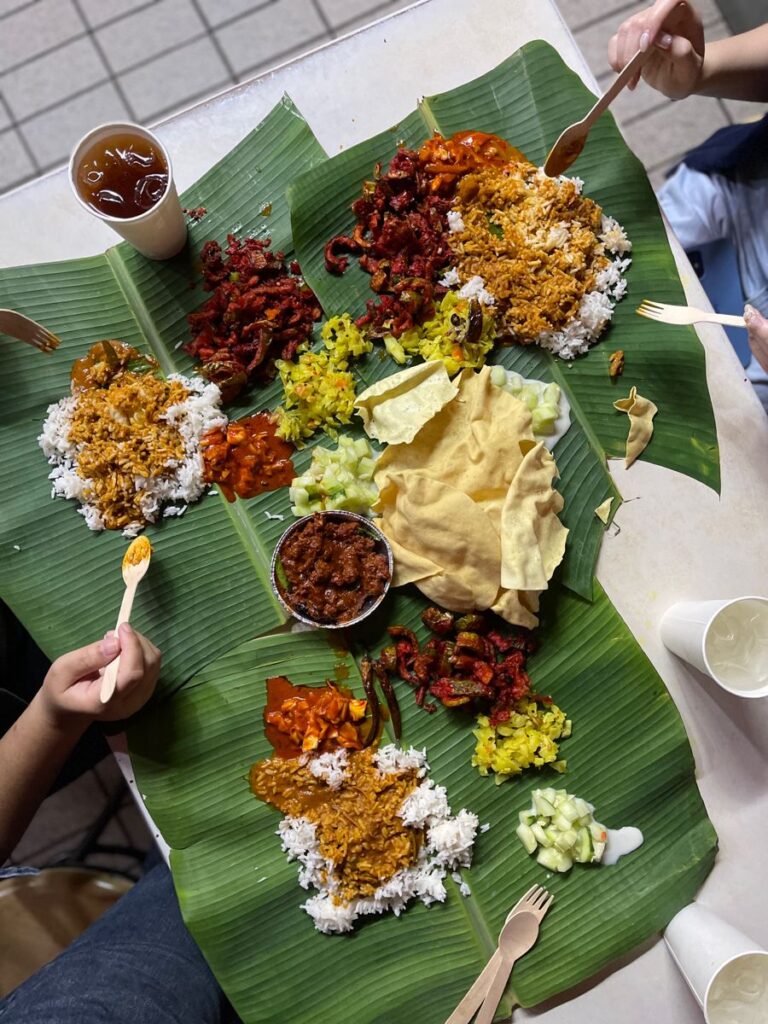
Another colorful corner of KL, where you’ll find Indian temples, restaurants serving traditional meals on banana leaves (banana leaf rice), and shops selling saris and jewelry.
III. 🍽️ The Culinary Melting Pot
KL is a haven for foodies, blending the flavors of Malaysia, India, China, and Peranakan (Nyonya) cuisine.
- Jalan Alor: The city’s most famous food street. After dark, this street transforms into a bustling hub offering everything from Satay (meat skewers) to Chili Crab and Char Kway Teow (stir-fried flat rice noodles).
- Nasi Lemak: Malaysia’s national dish. Rice cooked in coconut milk and pandan leaves, served with anchovies, peanuts, egg, and spicy sambal sauce.
- Hainanese Chicken Rice: A Chinese influence in KL. Chicken (steamed or roasted) served with flavorful rice cooked in chicken broth.
IV. 💡 Practical Tips for Kuala Lumpur
| Category | Advice |
| Transportation | Metro (MRT/LRT). KL has an efficient and clean public transport system. The central part of the city (KLCC, Bukit Bintang) is connected by the Monorail line. |
| Taxi/Ride-sharing | Use the Grab app (the local version of Uber) – it is reliable and cost-effective, especially during peak hours when traffic is unpredictable. |
| Currency | Malaysian Ringgit (MYR). Cards are common, but cash is needed at markets and street food stalls. |
| Language | Bahasa Melayu (Malay) is the official language, but English is widely spoken in business and tourism. |
| Best Time | May – July and December – February. KL is hot and humid year-round, with frequent tropical storms, but there is slightly less rain during these periods. |
| Hookahs | Water pipes (shisha) are often served in restaurants and cafes. |
Kuala Lumpur is a city that embodies modern Asia: it is fast, chaotic, and constantly changing. It is a great gateway to exploring the diverse cultures of Southeast Asia in one place.
Dear fellow travelers, if my articles have helped you or inspired your journeys, you can support me in a very simple way. If you book your flights, hotels, or tickets through the links below, I will receive a small commission from the sale. This costs you absolutely nothing extra (the prices remain exactly the same for you), but it truly helps me take my children on our next adventure and write the next detailed travel guide.
Here are the services I personally use on our travels and that you can rely on:
-
 Flights: I prefer to compare prices using Kiwi.com : last minute flights : https://kiwi.tpk.lv/8NQF6GkN or through the global search engine Aviasales : https://aviasales.tpk.lv/gKYbo853 .
 -
 Accommodation: 90% of our stays are booked traditionally through Booking.com : https://booking.tpk.lv/cLbuaDaA. If we are traveling to Asia, Agoda : https://agoda.tpk.lv/OwlTkUi6 often offers better prices and deals.
 -
 Experiences & Tickets: To avoid standing for hours in ticket queues for landmarks with my children, I buy them in advance via GetYourGuide : https://getyourguide.tpk.lv/V6GC2pLm or through [Viator : https://viator.tpk.lv/jKVITxSH .
 -
 Car Rental: When we need a car on our journeys, I compare rental prices through QEEQ : Diamond Membership : https://qeeq.tpk.lv/1YoVmDCm ,
 -
 Internet Abroad: To have mobile data immediately upon arrival and avoid hunting for local SIM cards, I use a digital eSIM via Airalo : https://airalo.tpk.lv/YGyayoZj .
Thank you for every single click and booking; I deeply appreciate it!