Most of us dream of deserted white-sand beaches, but for some places on Earth, “deserted” is a status that must be maintained at all costs. Whether guarded by the military, the deadly arrows of indigenous tribes, or invisible radiation, these are the locations where entry is strictly forbidden.
🛡️ 1. Ni’ihau (The Forbidden Island), Hawaii, USA
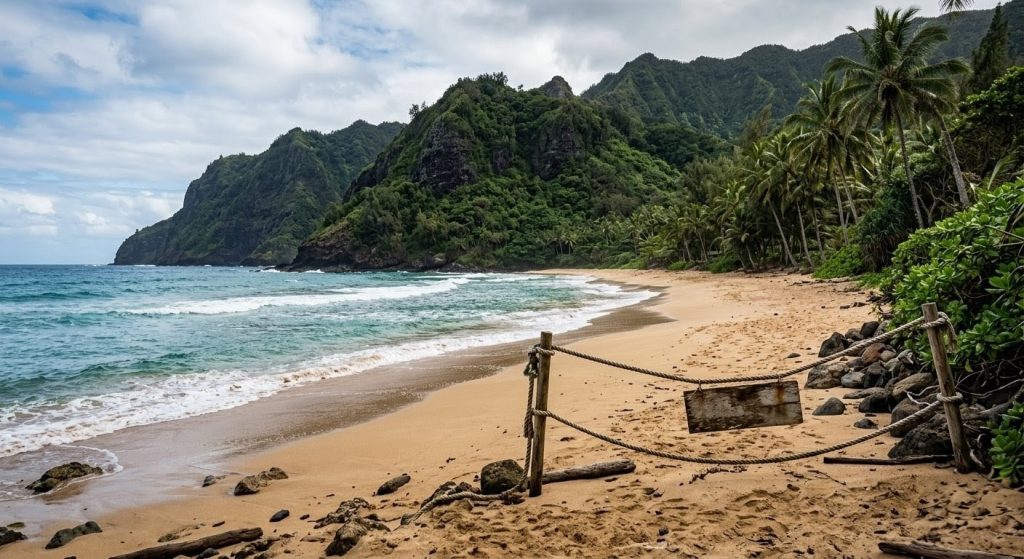
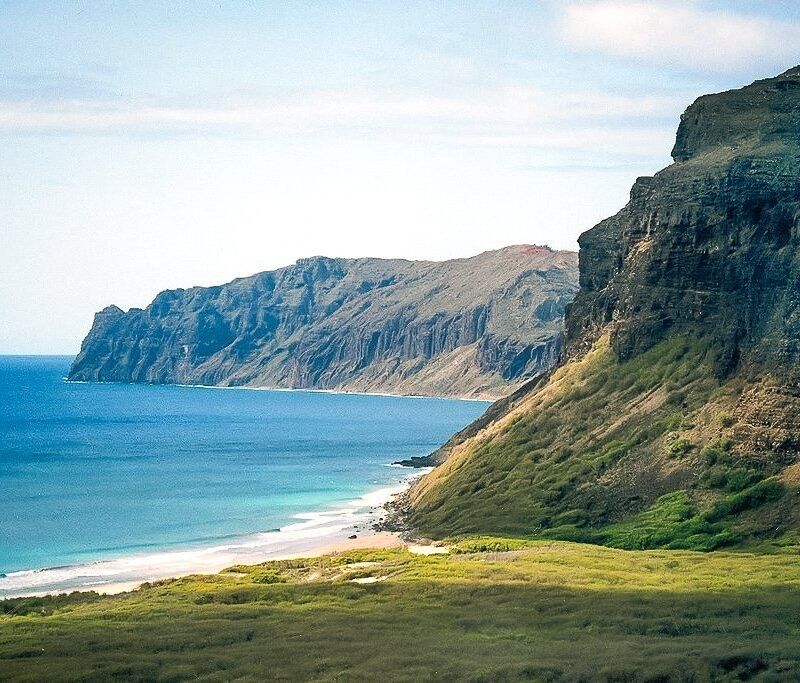
Location: Approximately 17 miles west of Kauai. Owner: The private Robinson Family. Why it is forbidden: The island was purchased by Elizabeth Sinclair from King Kamehameha V in 1864 for $10,000 in gold. The condition was to preserve Hawaiian culture. Since 1915, the island has been closed to the public. Approximately 170 native inhabitants live here, speaking exclusively Hawaiian and living without electricity, running water, or stores.
- Interesting Fact: The Robinson family refuses billion-dollar offers from developers to protect the community’s privacy and the rare monk seals.
- Visitability: Extremely limited. Only one helicopter exists that, upon approval, can drop you off at one specific beach (Nanina) for a few hours, provided you have zero contact with the locals.
🏹 2. North Sentinel Island, Andaman Islands, India
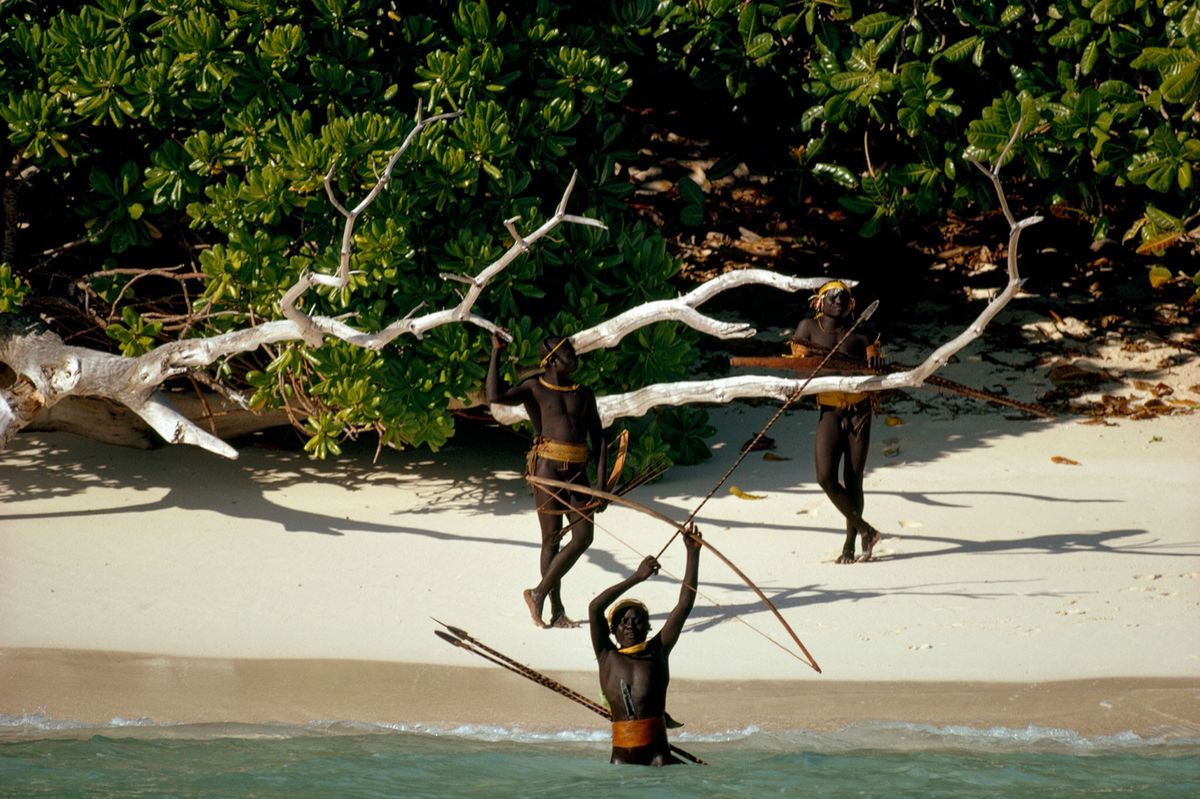
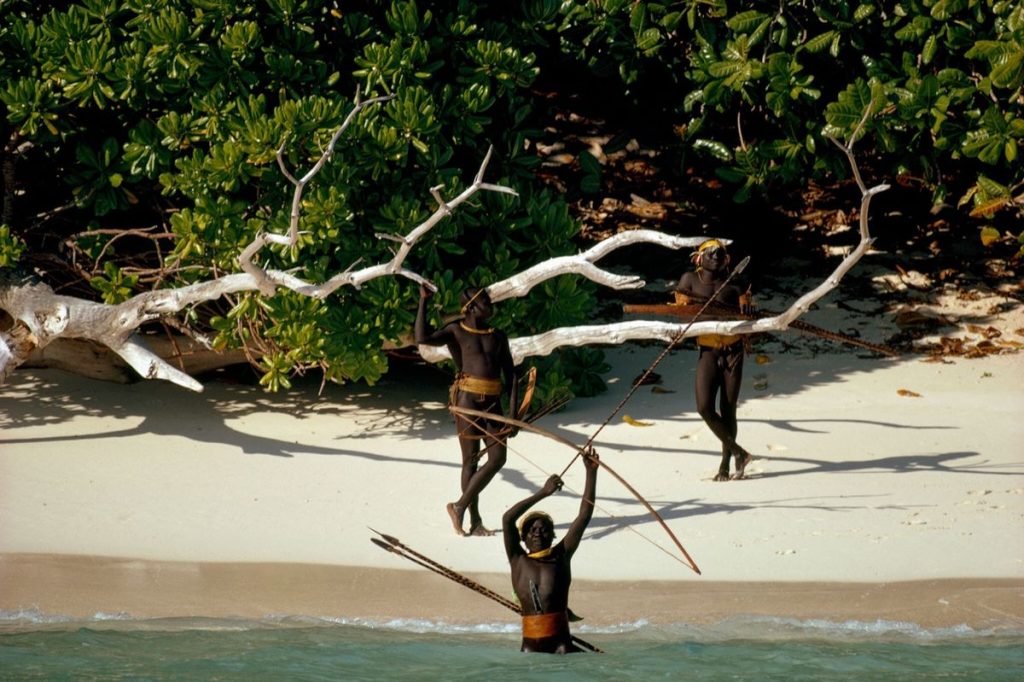
Location: Bay of Bengal, an isolated part of the Andaman archipelago. Owner: Formally administered by India, effectively ruled by the Sentinelese Tribe. Why it is forbidden: The island’s inhabitants are the last uncontacted tribe in the world. Any attempt to land on their shores is met with attacks by bows and arrows. In 1956, the Indian government declared the island and a 5-mile surrounding buffer zone a prohibited area.
- The Reason: Beyond the tribe’s hostility, it is a matter of biological protection—the Sentinelese have no immunity to common diseases (like the flu), which could wipe them out.
- From a Distance: Satellite images show stunning coral lagoons, but no one dares to even measure the water depth near the shore.
☢️ 3. Bikini Atoll, Marshall Islands
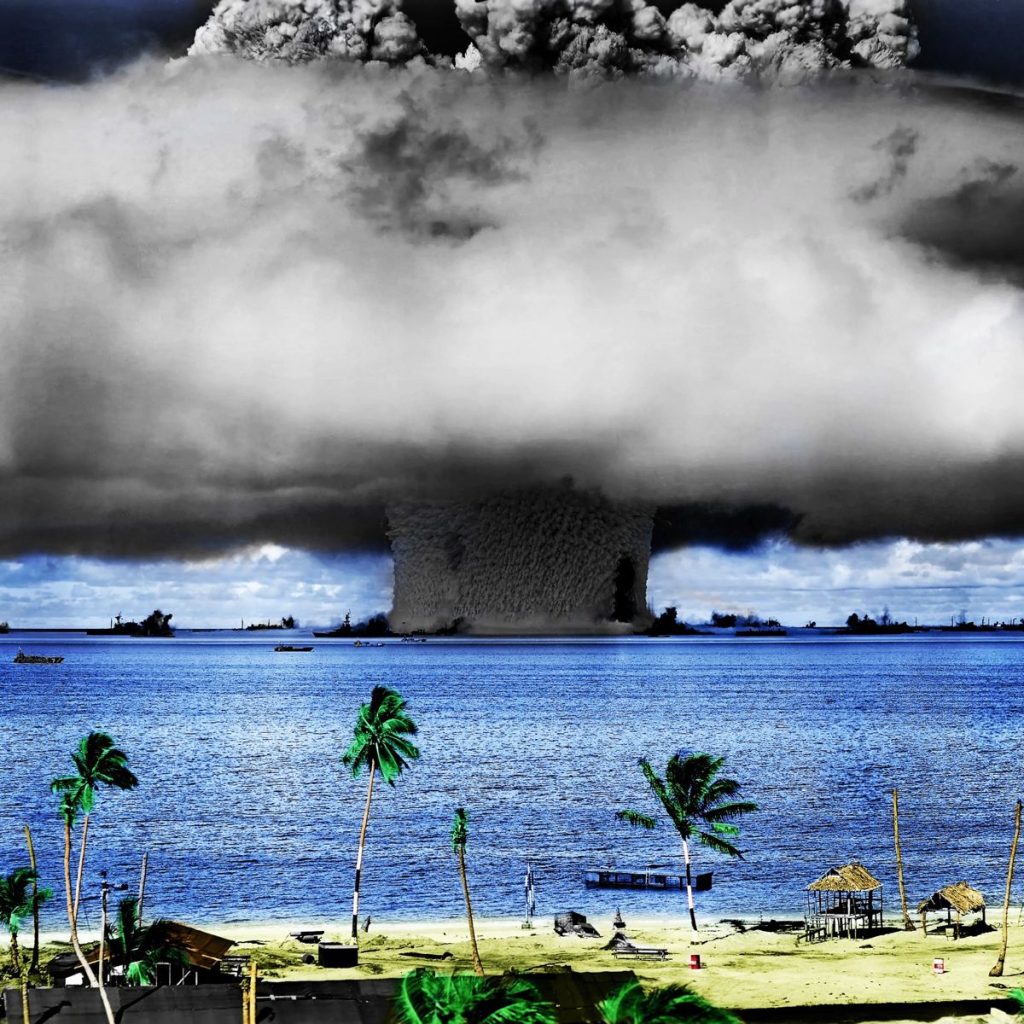
Location: Central Pacific, between Hawaii and Australia. Owner: Government of the Marshall Islands (under heavy US influence). Why it is forbidden: Between 1946 and 1958, the US conducted 23 nuclear tests here, including the Castle Bravo blast, which was 1,000 times more powerful than the Hiroshima bomb. The beaches look breathtaking, but the sand and fruit (coconuts) are still contaminated with Cesium-137.
- Visitability: Only “extreme tourism” for divers (wreck diving to a fleet of sunken warships) is possible, but staying overnight or consuming any local food is forbidden.
- Interesting Fact: The bikini swimsuit was named after this atoll—its creator hoped it would have an “explosive” effect similar to the nuclear tests.
🐍 4. Ilha da Queimada Grande (Snake Island), Brazil
Location: 20 miles off the coast of São Paulo state. Owner: Brazilian Government and Navy. Why it is forbidden: This is not a beach for sunbathing. There are between 1 to 5 Golden Lancehead vipers per square meter here. Their venom is so potent it can dissolve human flesh.
- Access: The Brazilian Navy strictly guards the island and only allows entry to select scientific teams, who must be accompanied by a doctor.
- The Reason: To protect human lives and this critically endangered snake species, which lives nowhere else on Earth.

🏖️ 5. Varosha, Cyprus
Location: A suburb of the city of Famagusta in Northern Cyprus. Owner: No man’s land (under Turkish military control). Why it is forbidden: In the 1970s, this was the most luxurious resort in the world, frequented by Elizabeth Taylor and Brigitte Bardot. Following the Turkish invasion in 1974, the entire district and its beaches remained fenced off and abandoned.
- Visuals: Rusty umbrellas sit on the beaches, backed by crumbling 5-star hotels riddled with bullet holes.
- Visitability: Since 2020, part of the promenade has been opened for “dark tourism,” but the beaches are still lined with barbed wire and guarded by soldiers.

🔬 6. Surtsey Island, Iceland
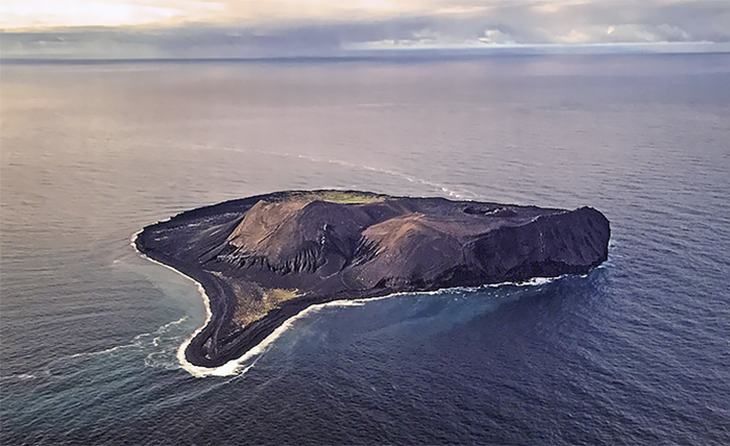
Location: 20 miles off the southern coast of Iceland. Owner: The Icelandic State (UNESCO World Heritage Site). Why it is forbidden: This island was formed in 1963 following a sub-aquatic volcanic eruption. Since its birth, no one has been allowed to step foot on it except for a handful of scientists.
- The Reason: Scientists are studying how nature colonizes new land without human intervention. Every seed, insect, or bird that appears there is under strict observation.
- Interesting Fact: There is a famous story of a scientist who secretly “planted” a tomato, which had to be immediately destroyed to avoid ruining the experiment.
💎 7. Sperrgebiet (The Forbidden Area), Namibia
Location: Atlantic coast in southern Namibia. Owner: A joint venture between the Namibian Government and De Beers (Namdeb). Why it is forbidden: This is a 10,000-square-mile territory containing the largest diamond deposits in the world. The coastline is literally littered with diamonds washed down by the Orange River.
- Security: The area is guarded by armed patrols, drones, and radar. Attempting to enter these beaches without a permit leads to immediate arrest or worse.
- Ghost Town: This zone also houses the famous ghost town of Kolmanskop, which is slowly being swallowed by the desert sands.
Dear fellow travelers, if my articles have helped you or inspired your journeys, you can support me in a very simple way. If you book your flights, hotels, or tickets through the links below, I will receive a small commission from the sale. This costs you absolutely nothing extra (the prices remain exactly the same for you), but it truly helps me take my children on our next adventure and write the next detailed travel guide.
Here are the services I personally use on our travels and that you can rely on:
-
 Flights: I prefer to compare prices using Kiwi.com : last minute flights : https://kiwi.tpk.lv/8NQF6GkN or through the global search engine Aviasales : https://aviasales.tpk.lv/gKYbo853 .
 -
 Accommodation: 90% of our stays are booked traditionally through Booking.com : https://booking.tpk.lv/cLbuaDaA. If we are traveling to Asia, Agoda : https://agoda.tpk.lv/OwlTkUi6 often offers better prices and deals.
 -
 Experiences & Tickets: To avoid standing for hours in ticket queues for landmarks with my children, I buy them in advance via GetYourGuide : https://getyourguide.tpk.lv/V6GC2pLm or through [Viator : https://viator.tpk.lv/jKVITxSH .
 -
 Car Rental: When we need a car on our journeys, I compare rental prices through QEEQ : Diamond Membership : https://qeeq.tpk.lv/1YoVmDCm ,
 -
 Internet Abroad: To have mobile data immediately upon arrival and avoid hunting for local SIM cards, I use a digital eSIM via Airalo : https://airalo.tpk.lv/YGyayoZj .
Thank you for every single click and booking; I deeply appreciate it!