San Francisco. The Golden Gate Bridge. Cable Cars. You know the icons. But beneath the famous fog (locals call him Karl, by the way), lies a city built on gold, fire, and pure, unadulterated rebellion. Get ready to peel back the layers of the City by the Bay.
1. The Bridge That Almost Wore Bumblebee Stripes
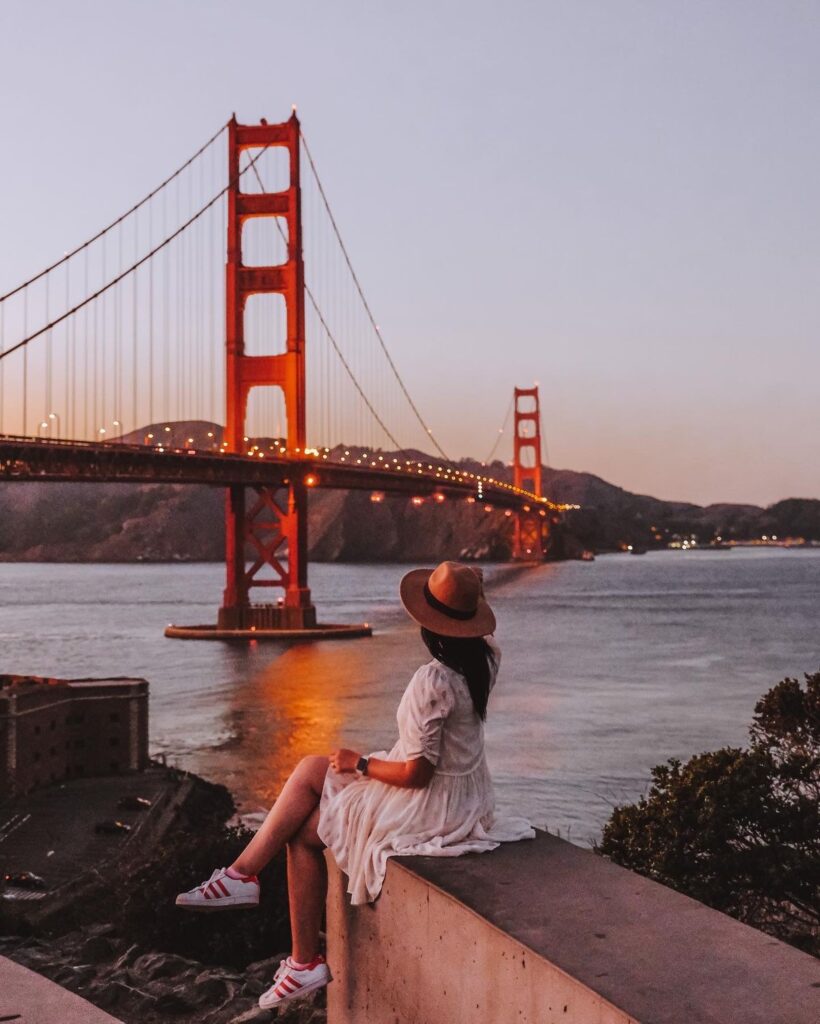
The Golden Gate Bridge is arguably the most photographed bridge on Earth, instantly recognizable by its striking hue.
- The Big Secret: The U.S. Navy initially wanted it painted black with bright yellow stripes (like a giant bumblebee!) for maximum visibility.
- The Twist: Architect Irving Morrow realized the International Orange primer color—meant only as a sealant—perfectly complemented the landscape and, more importantly, cut through the famous San Francisco fog. He fought for the color, and the world got an icon. A true testament to SF’s rebellious, aesthetic spirit!
2. A City Built on Abandoned Ships
San Francisco’s history is literally buried under its streets.
- The Gold Rush Ghost Fleet: When the Gold Rush hit in 1849, thousands of ships arrived. Sailors abandoned them immediately to run for the hills and seek gold. The harbor became choked with derelict vessels.
- The Fix: As the city desperately needed land to build, they simply began filling in the bay and building on top of the abandoned ships. When you walk around parts of downtown (especially the Financial District), you are literally walking on forgotten maritime history. Look closely—some streets are named after these lost ships (like Minna and Natoma Streets)!
3. The Emperor of the United States Was an SF Local
Forget presidents and governors. San Francisco had an Emperor.
- Joshua Norton: In 1859, after losing his fortune, businessman Joshua Abraham Norton declared himself “Emperor of the United States and Protector of Mexico.”
- SF Embraced Him: Despite having no power, the city adored him. He issued his own currency (which local merchants accepted), inspected the streets, and issued decrees (like demanding a bridge be built to Oakland—a clear nod to the Bay Bridge!). When he died, 10,000 people turned out to pay their respects. His legacy embodies the city’s unique blend of eccentricity and tolerance.
4. Chinatown’s Act of Defiance After the Fire
The devastating 1906 earthquake and subsequent fire wiped out three-quarters of the city. City officials wanted to relocate Chinatown to the outskirts.
- The Rebuild: The residents of Chinatown refused. They rebuilt their neighbourhood faster than the city could stop them, consciously designing it in the distinct Chinese architectural style we see today.
- The Result: It’s the oldest Chinatown in North America and a profound symbol of the community’s incredible resilience and determination to hold onto their identity.
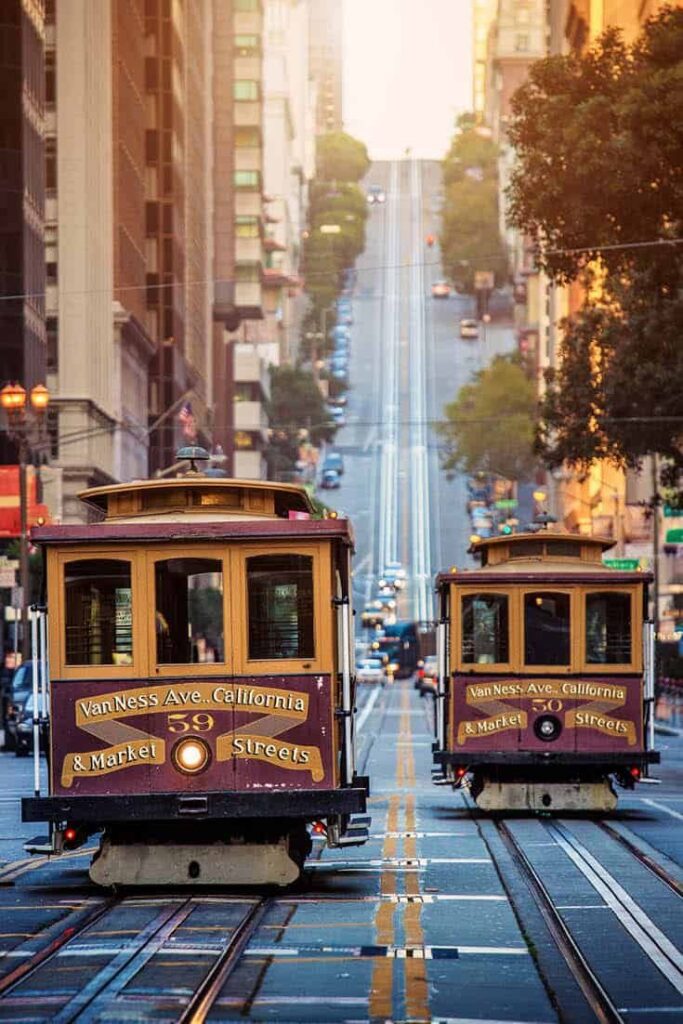
5. The Cable Cars Were Invented to Stop Dying Horses
Those delightful, clanging National Historical Monuments aren’t just for tourists; they solved a deadly problem.
- The Problem: San Francisco is notoriously hilly. In 1873, inventor Andrew Smith Hallidie witnessed horses slipping and dying while attempting to pull carriages up the wet, cobblestone hills.
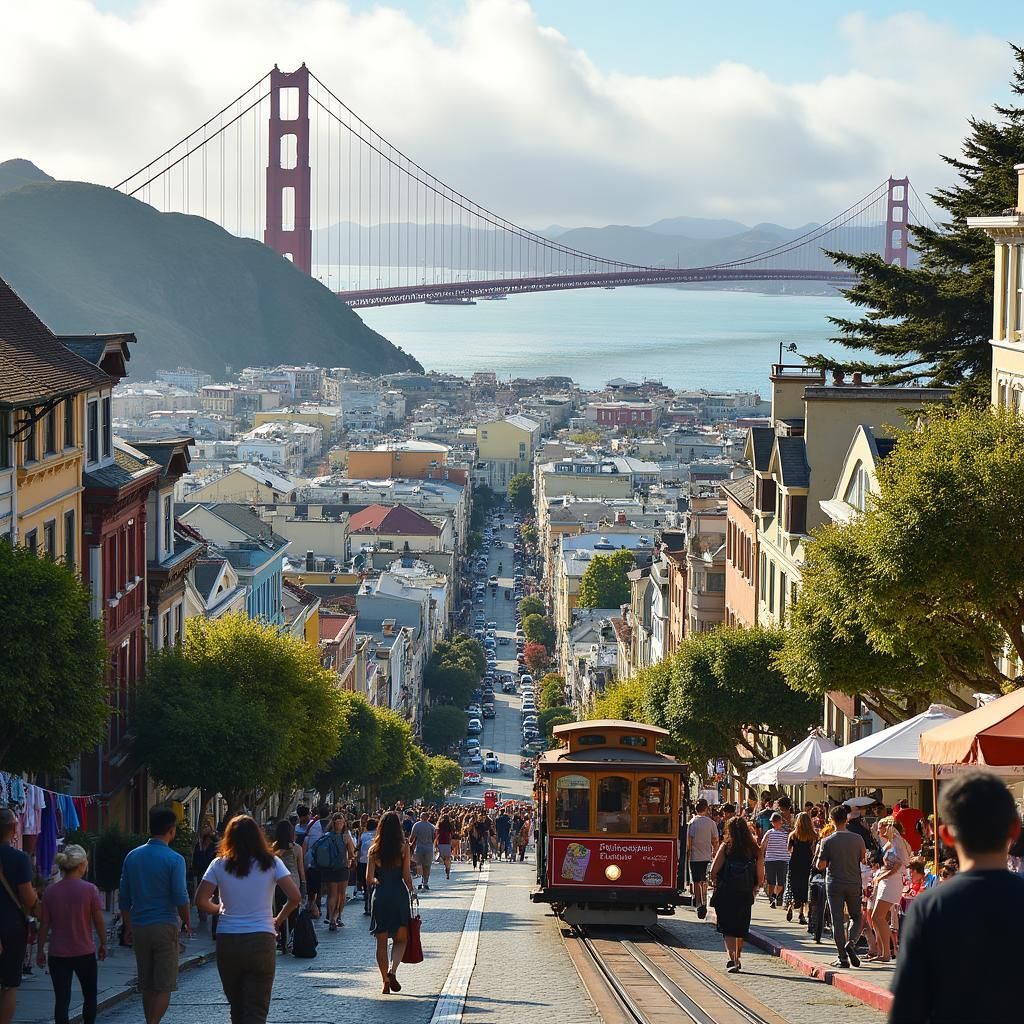
- The Solution: He invented the ingenious cable car system, where the car “grips” an underground moving cable, allowing it to conquer impossibly steep terrain (like Hyde Street, which has a 21% grade!). They are the only moving National Historical Monument in the US!
6. Sourdough and Seafood: The Culinary Must-Haves
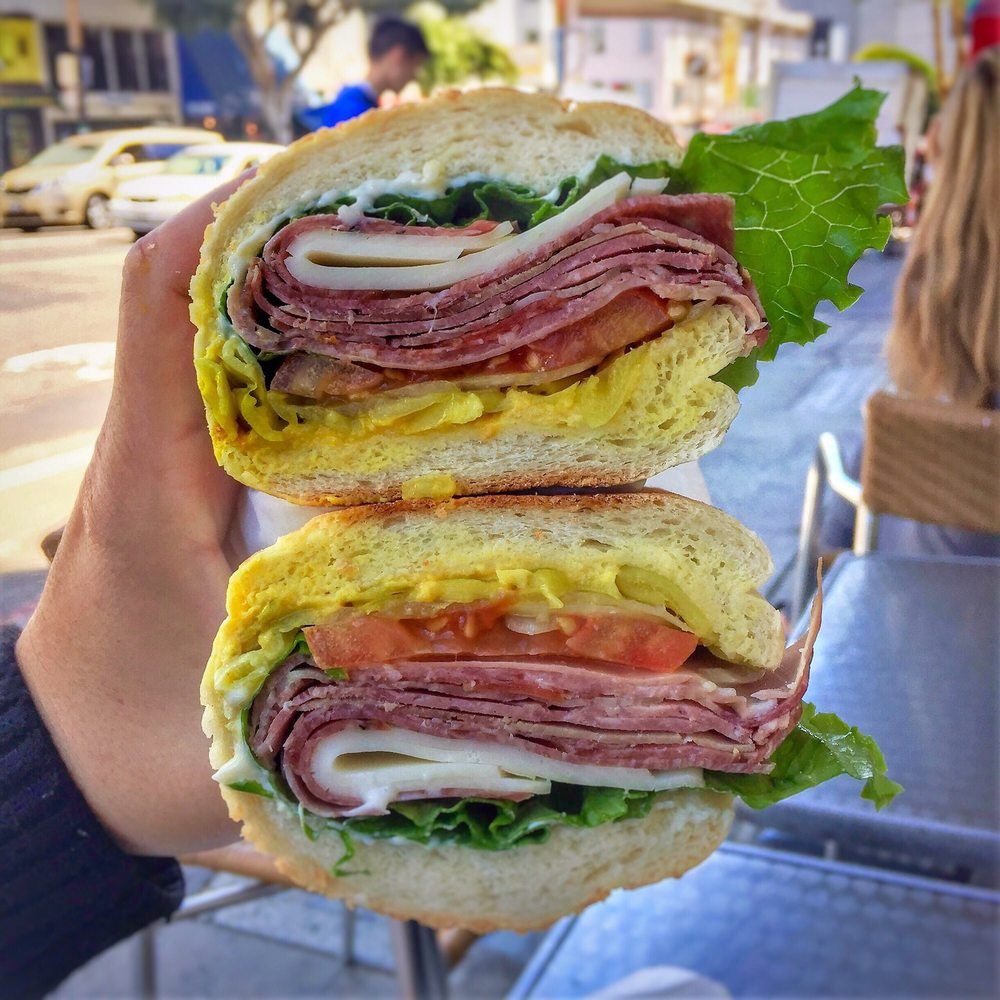
San Francisco is a serious foodie destination, but two items are non-negotiable classics:
- Sourdough Bread: The city’s famous sourdough has a unique, tangy flavour thanks to the local bacteria Lactobacillus sanfranciscensis. Try a bowl of Clam Chowder served in a sourdough bread bowl at Fisherman’s Wharf.
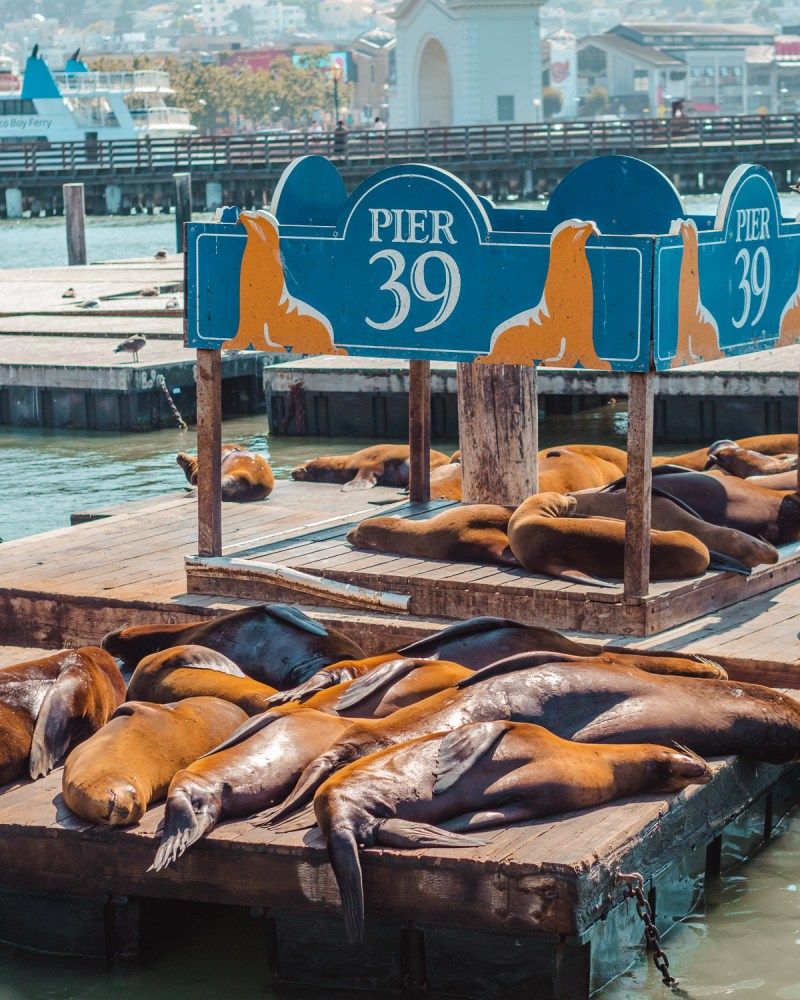
- Pier 39’s Uninvited Guests: Don’t miss the sea lions at Pier 39. They didn’t always live there—they mysteriously arrived in large numbers right after the 1989 Loma Prieta earthquake and simply refused to leave! They’ve been entertaining visitors ever since.
7. The City of 50 Hills (Not Seven!)
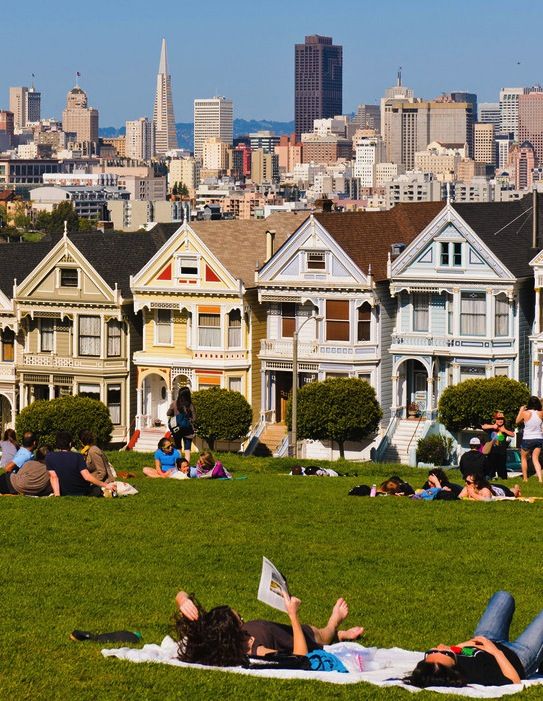
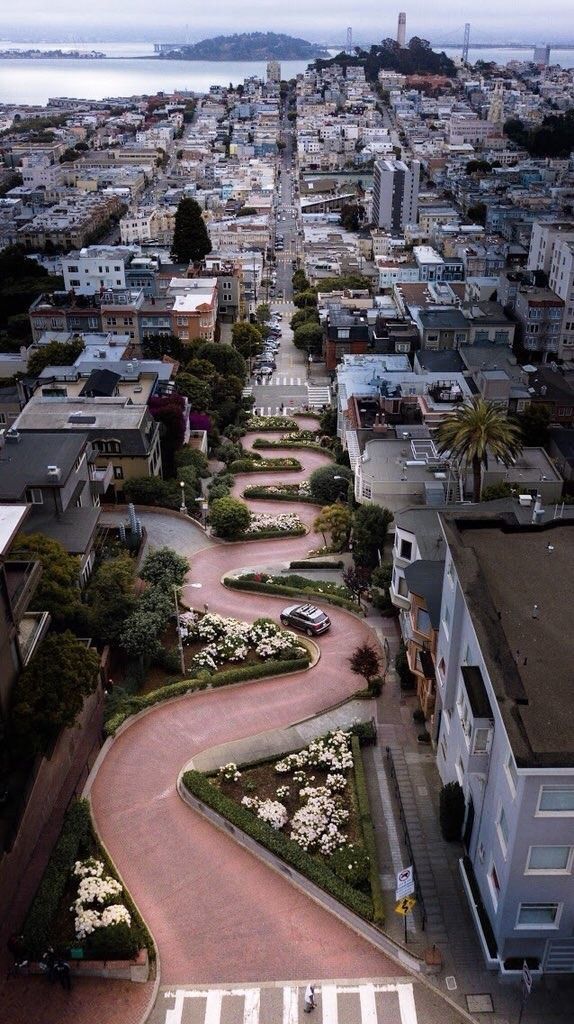
Everyone knows about Telegraph Hill, Nob Hill, and Russian Hill, but San Francisco has over 50 named hills. This geographic feature is what makes the city’s views so dramatic and its architecture so unique.
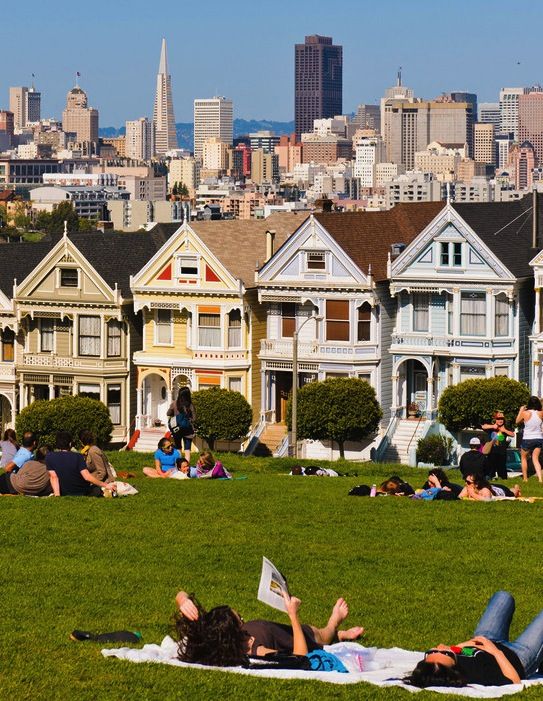
San Francisco is a city of layers—historical, geographical, and cultural. It’s a place that was destroyed and rebuilt, only to emerge bolder, weirder, and more iconic than before. It’s an adventure that demands you walk every steep street and listen to every whispered secret.
Dear fellow travelers, if my articles have helped you or inspired your journeys, you can support me in a very simple way. If you book your flights, hotels, or tickets through the links below, I will receive a small commission from the sale. This costs you absolutely nothing extra (the prices remain exactly the same for you), but it truly helps me take my children on our next adventure and write the next detailed travel guide.
Here are the services I personally use on our travels and that you can rely on:
-
 Flights: I prefer to compare prices using Kiwi.com : last minute flights : https://kiwi.tpk.lv/8NQF6GkN or through the global search engine Aviasales : https://aviasales.tpk.lv/gKYbo853 .
 -
 Accommodation: 90% of our stays are booked traditionally through Booking.com : https://booking.tpk.lv/cLbuaDaA. If we are traveling to Asia, Agoda : https://agoda.tpk.lv/OwlTkUi6 often offers better prices and deals.
 -
 Experiences & Tickets: To avoid standing for hours in ticket queues for landmarks with my children, I buy them in advance via GetYourGuide : https://getyourguide.tpk.lv/V6GC2pLm or through [Viator : https://viator.tpk.lv/jKVITxSH .
 -
 Car Rental: When we need a car on our journeys, I compare rental prices through QEEQ : Diamond Membership : https://qeeq.tpk.lv/1YoVmDCm ,
 -
 Internet Abroad: To have mobile data immediately upon arrival and avoid hunting for local SIM cards, I use a digital eSIM via Airalo : https://airalo.tpk.lv/YGyayoZj .
Thank you for every single click and booking; I deeply appreciate it!