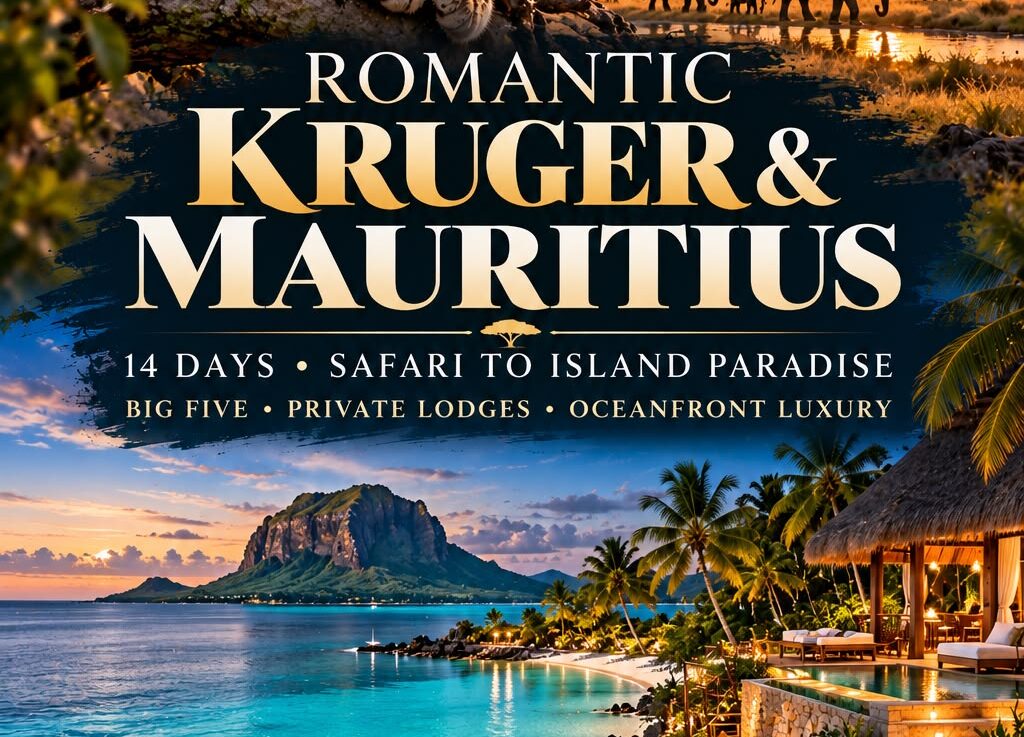
The Ultimate Mauritius Travel Guide: Beyond the Postcards (Your No-BS Survival & Paradise Manual)
With powdery white beaches, turquoise lagoons sheltered by coral reefs, and a lush interior filled with waterfalls and tea plantations, Mauritius is the definition of a tropical dream in the Indian Ocean. Located east of Madagascar, this island nation is not just a luxury playground for honeymooners—with proper planning, it offers incredible cultural diversity, adventure, and great experiences for every traveler.
This detailed guide covers everything you need to know before booking: from ideal weather and prices to local gastronomy, medical care, and practical survival tips.
1. When to Go: Best Time to Visit
Mauritius is located in the Southern Hemisphere, meaning its seasons are opposite to those in Europe. Temperatures are favorable year-round, but the key is choosing the right period based on what you expect from your holiday:
- May to October (Dry and Cooler Season – Best Time):
- This period brings more pleasant, less humid weather. Daytime air temperatures range from around 24°C to 26°C. The south and east of the island can be windier, which is great for windsurfing, while the north and west are sheltered and ideal for sunbathing.
- November to April (Warm and Rainy Season):
- Summer months featuring high temperatures (often above 30°C) and high humidity. This period brings occasional tropical showers and storms (especially in February and March). On the positive side, it is the best time for diving and snorkeling because underwater visibility is exceptional.
2. Air and Water Temperatures
- Air Temperature: Consistently ranges between 25°C and 32°C throughout the year. Nights tend to be fresher, especially in July and August.
- Water Temperature: The Indian Ocean around Mauritius is warm and pleasant all year round. Water temperature ranges from 23°C in the winter months to 27°C to 28°C during the summer season.
3. What to Eat & Drink: Culinary Highlights
Mauritian cuisine is a fascinating blend of Indian, Chinese, French, and African influences, making the food on the island a massive experience.
- Must-Try Local Dishes:
- Boulettes: Local version of Chinese dumplings served in a hot, aromatic broth. You can find them at every street food stall.
- Mine Frite: Fried noodles prepared Mauritian style with vegetables, chicken, or shrimp, and a spicy garlic-chili sauce.
- Creole Curry: Fish or meat curry prepared with fresh tomatoes, onions, and local spices, served with rice and lentils.
- Refreshing Drinks:
- Mauritian Rum: The island is famous for top-tier rum (e.g., Chamarel or Green Island). Try a traditional rum cocktail with fresh lime and sugar cane.
- Alouda: A sweet milky drink with basil seeds and agar-agar strips, flavored with vanilla or almonds.
- Fresh Coconut Water: Sold on every corner directly on the beach.
4. Safety, Health, Pharmacies & Embassies
Mauritius is among the safest countries in all of Africa with a minimal rate of violent crime. Petty theft can occasionally occur, so take standard precautions with your personal belongings on the beach.
- Medical Care & Pharmacies:
- The standard of healthcare is very high. A network of public hospitals and modern private clinics (e.g., Clinique Darne or C-Care) operates on the island.
- Pharmacies (Pharmacie) are easily accessible in all larger towns and tourist centers, with pharmacists fluent in both English and French.
- Embassies & Consulates:
- Most major world embassies are based in the capital city of Port Louis or abroad (e.g., in neighboring Kenya or South Africa), but honorary consulates of individual European countries operate in Port Louis. In case of emergency, the local tourist police will willingly assist you.
- Health Recommendations: No special vaccinations are mandatory for entry from Europe. Malaria does not occur in Mauritius, but a quality mosquito repellent certainly comes in handy.
5. Where to Stay: Hotel Price Ranges
Mauritius can satisfy backpackers as well as the most demanding clients looking for top-tier luxury.
- Budget Accommodations ($40 – $90 per night):
- Apartments and Guest Houses: Areas like Flic en Flac, Grand Baie, or Mahebourg offer numerous cozy apartments with kitchens, often just a short walk from public beaches.
- Mid-Range ($120 – $250 per night):
- Boutique Hotels and 3- to 4-Star Resorts: Offer swimming pools, half-board, and great beachfront facilities (e.g., in the Trou aux Biches area).
- Luxury Resorts ($350 – $1,000+ per night):
- Exclusive 5-Star Resorts: World-renowned luxury hotels (e.g., on the Le Morne peninsula) featuring private beaches, golf courses, top-tier spas, and flawless service.