Choosing a seat in economy class for a long-haul flight is critical. A good seat can be the difference between misery and relatively comfortable sleep. Although premium seats are often paid, there are proven strategies to get them without opening your wallet.
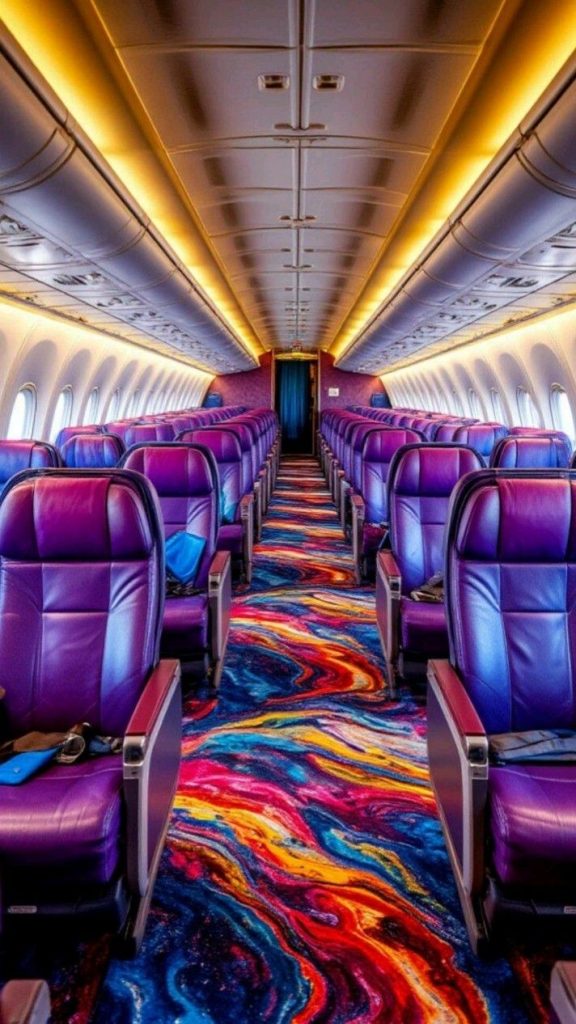
I. Which Seats are “The Best” and Why
The ideal seat depends on your personal preferences (mobility, sleep, safety). Here is a breakdown of the most sought-after seats and their pros/cons:
1. 🚪 The Emergency Exit Row (Exit Row)
This is the “Holy Grail” of economy class, as it offers the most legroom, often 30-50% more than a standard seat.
- ✅ Pros: Vast legroom, allowing you to “walk in place.”
- ❌ Cons:
- Not all Exit Rows: Sometimes the row in front of the exit row has restricted recline (or no recline at all).
- Restrictions: You must be physically able, understand the language, and agree to assist with evacuation. Children, pregnant women, passengers with reduced mobility, or those with bags on the floor are not permitted here.
- Cost: Almost always subject to a fee, with exceptions (see below).
2. 🪟 The Window Seat
Ideal for sleeping, working, and undisturbed travel.
- ✅ Pros: You can lean against the side of the aircraft to sleep, no one disturbs you to go to the lavatory, and you get great views.
- ❌ Cons: You must wake/climb over your seatmates if you need to get up. Can be hot/cold due to proximity to the fuselage wall.
3. 🚶 The Aisle Seat
Ideal for tall people and those who need to get up frequently.
- ✅ Pros: Freedom of movement, you can stretch your legs into the aisle (carefully!), and you deplane among the first passengers.
- ❌ Cons: Constantly disturbed by other passengers/cabin crew (carts), noise, and poorer sleep quality as you have nothing to lean your head against.
4. 🪞 The Bulkhead Seats
The seats in the first row of a cabin section (usually behind Business or First Class).
- ✅ Pros: No seat in front of you means unlimited vertical leg space. Ideal for families with infants, as a bassinet can often be attached here.
- ❌ Cons: Noise from the galley/lavatories, you cannot store carry-on luggage on the floor during takeoff/landing, and there are often no footrests.
II. How to Get Premium Seats for Free (Proven Tricks)
Airlines charge fees for better seats. However, there are a few legal and ethical ways to secure them without paying:
1. ⏳ Strategic Online Check-in Timing
This applies mainly to low-cost carriers, but also some traditional airlines:
- Early Check-in (Right when it opens): Sometimes the system automatically assigns the best available seats to those who check in as soon as possible.
- Late Check-in (Just before the deadline): This is a risky strategy. Airlines often hold premium (paid) seats until the end. If you check in among the last passengers, the system has limited choices and may assign you an exit row or an aisle seat in an unoccupied row to “fill” the plane.
⚠️ WARNING: Late check-in increases the risk of Overbooking, where the airline might deny you boarding. Do not use this during the peak season.
2. 🗣️ Ask the Ground or Cabin Crew Politely
After boarding, but ONLY once the aircraft doors are closed and the flight attendants have finished their safety checks (or ideally, when leaving the boarding gate area):
- At the Gate: Ask the Gate Agent if there are any free seats in the Exit Row or Bulkhead (especially with traditional carriers). Mention that you are willing to assist. Gate agents often have more authority than the crew on board.
- On the Plane: Ask a flight attendant if you can move to an empty seat in a row with more space. Do this only after takeoff and once the “fasten seat belt” sign is turned off.
✅ Tip: Be polite, smile, and look presentable. The crew is always more likely to help courteous passengers.
3. 🎫 Leverage Loyalty Program Status
If you fly frequently with one alliance (e.g., Star Alliance, SkyTeam), sign up for their frequent flyer program. Even the lowest tier status often guarantees you:
- Free selection of standard seats right at the time of booking.
- Upgrades to better seats (e.g., seats with extra legroom) for free or at a reduced rate.
4. 🧭 Utilize SeatGuru
Before online check-in, check the aircraft type and seating configuration on the SeatGuru website (or similar tools).
- You will find out which seats are marked green (good), yellow (be aware of something), and red (bad, e.g., near lavatories, non-reclining).
- This allows you to avoid undesirable seats, even if the system does not offer you the premium ones.