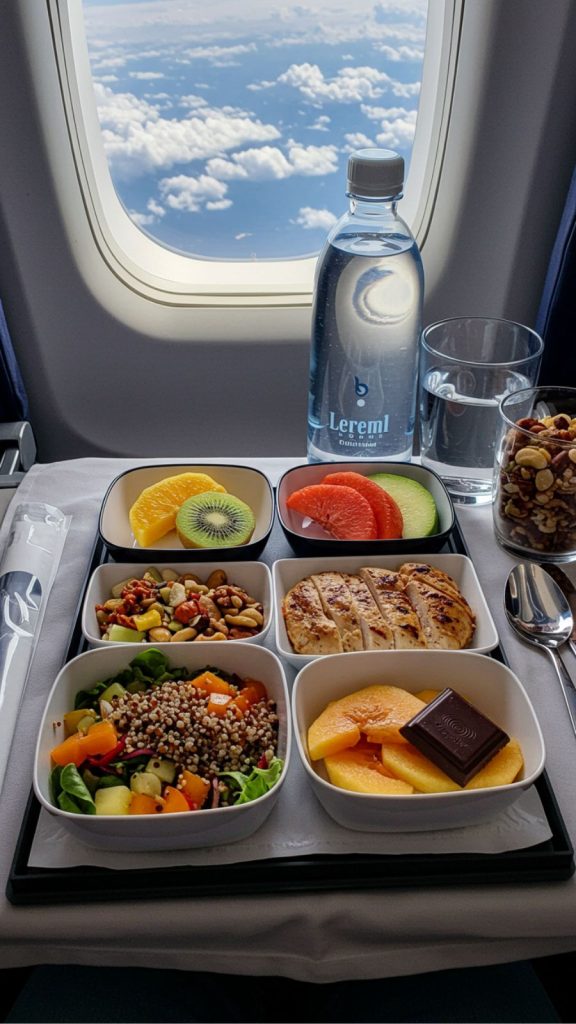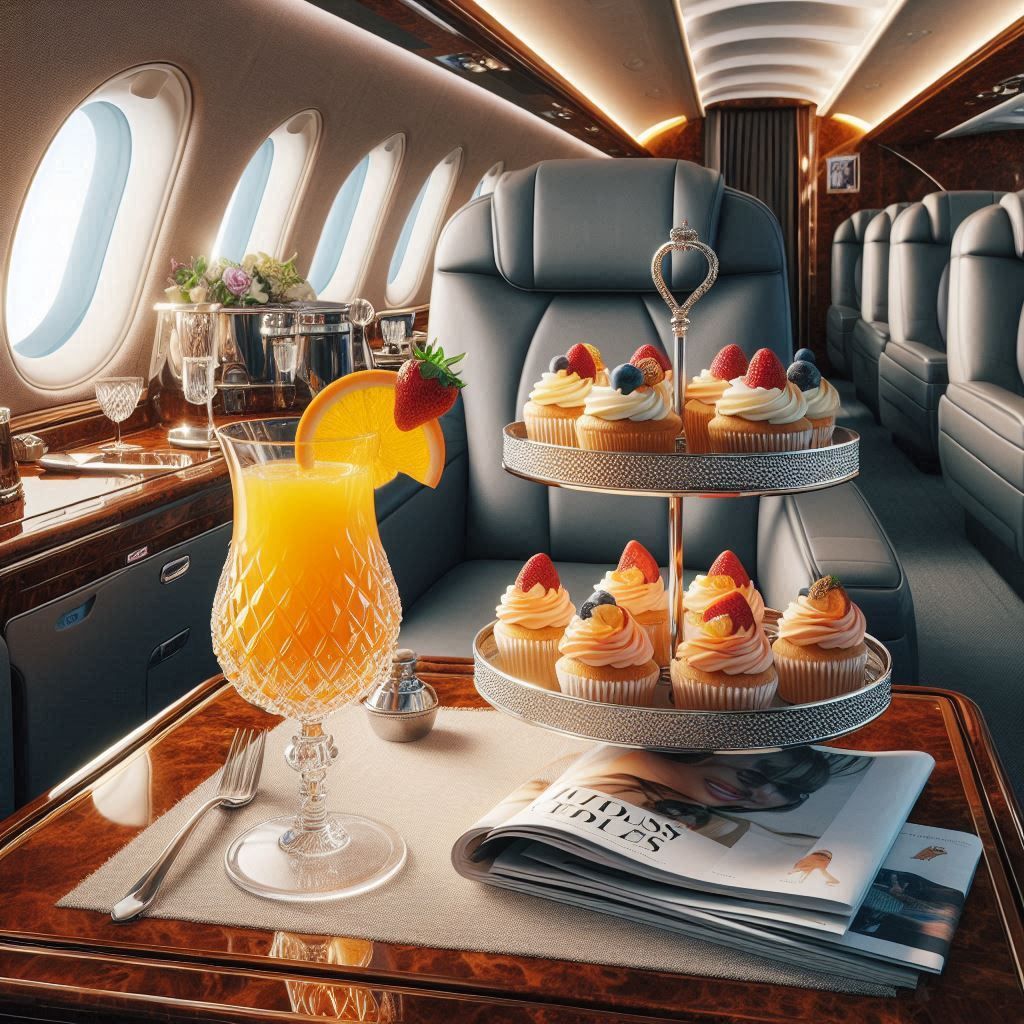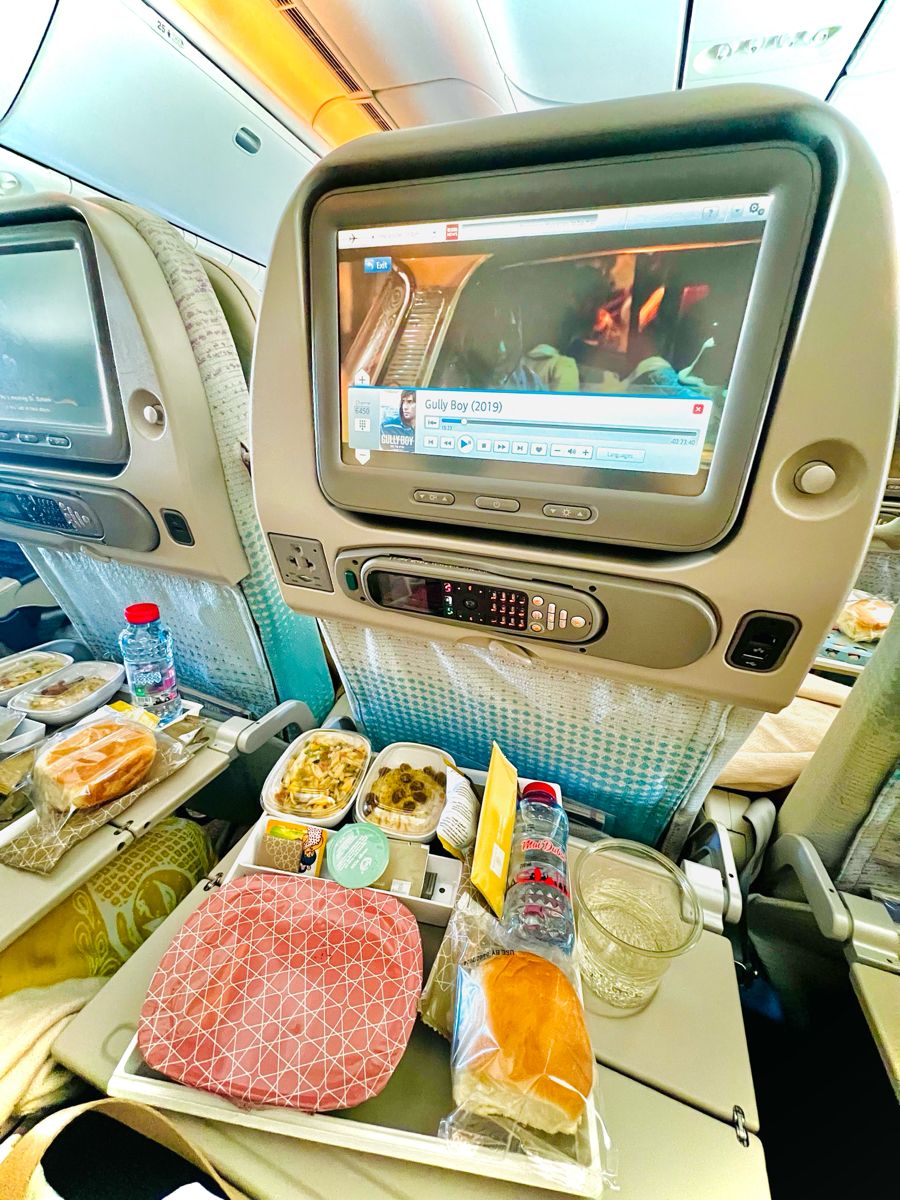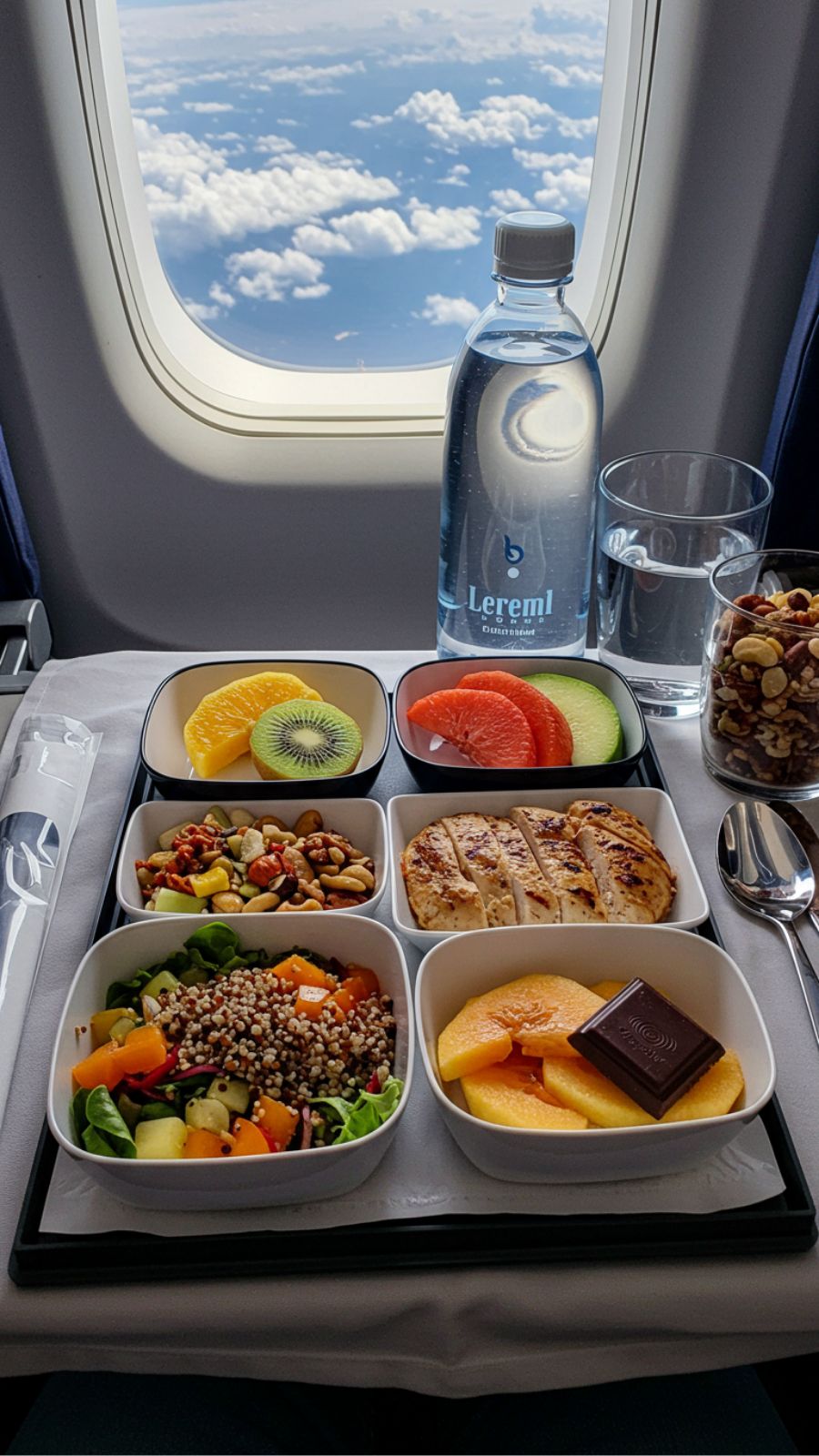
Your sensory abilities are compromised in the air by three main environmental factors, making food taste up to 30% blander.
1. 👃 The Triple Threat to Taste: Dry Air, Low Pressure, and Numbness
The airplane cabin environment fundamentally alters your ability to taste and smell.
A. Extreme Dryness (The Olfactory Blocker)
- The Fact: At cruising altitude (around 35,000 feet), the cabin air is drier than most deserts, with humidity levels often dropping below 12%.
- The Effect: This dryness causes the mucus membranes in your nose to swell and dry out. Since 80% of what we perceive as “taste” actually comes from our sense of smell (olfaction), the dryness severely dulls your ability to detect the aroma of food. It’s like having a bad head cold—you can’t fully taste anything.
B. Low Cabin Pressure (The Taste Bud Suppressor)
- The Fact: The cabin is pressurized to an altitude equivalent of around 6,000 to 8,000 feet, which is significantly lower than sea level.
- The Effect: This lower air pressure slightly reduces the blood-oxygen saturation in your body, which, according to studies (including those conducted by Lufthansa), makes your taste receptors less sensitive. Specifically, your perception of saltiness and sweetness drops by approximately 30%.
C. The Numbing Effect
- The combination of dryness and low pressure essentially makes your tongue and nasal passages partially numb, meaning that food and drinks that taste perfectly normal on the ground will taste dull, flat, and bland in the air.
2. 🎧 The Noise Factor: How Engine Hum Kills Flavor
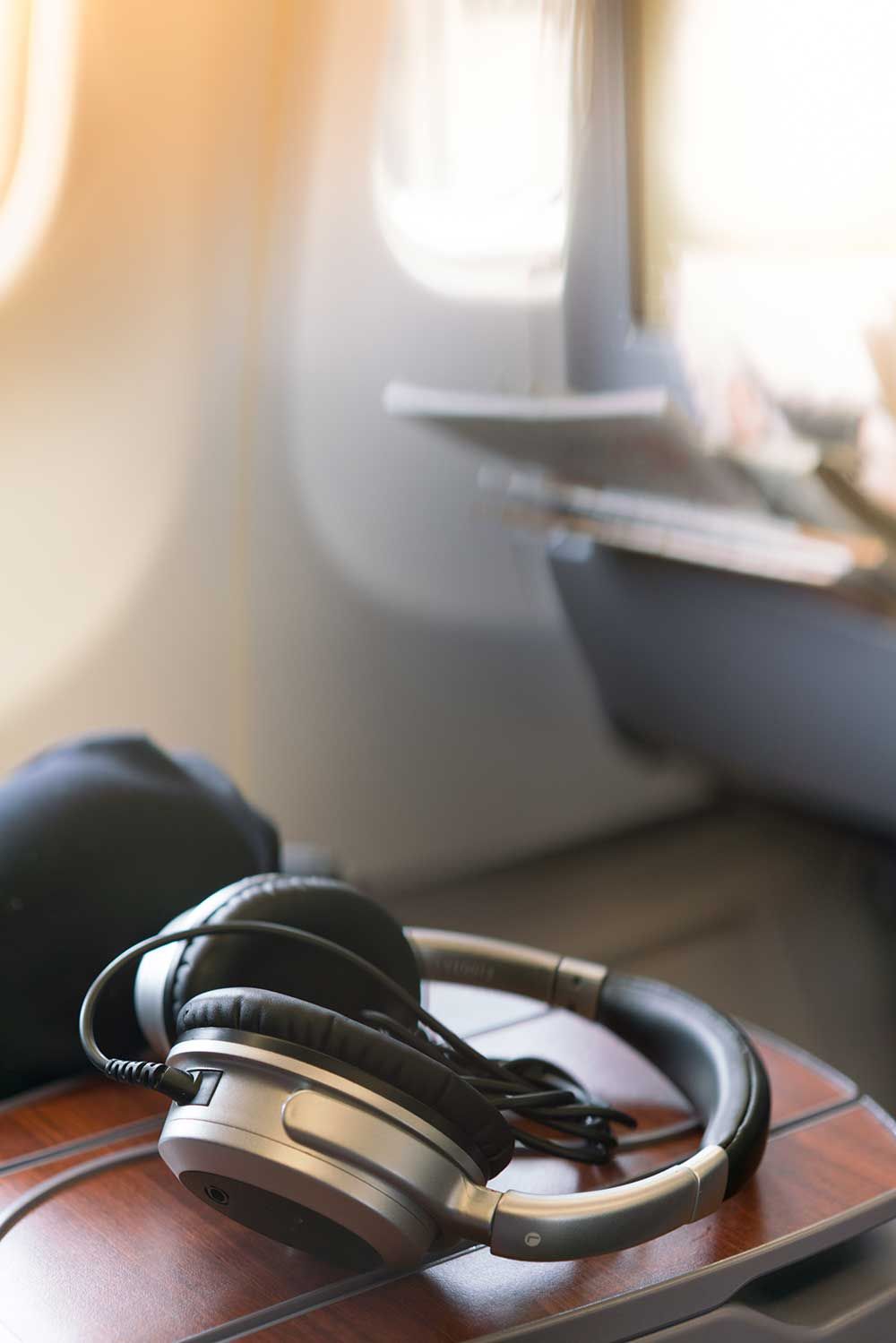
This is arguably the most surprising discovery from recent studies: the constant, loud hum of the jet engines plays a significant role.
- The Fact: Cabin noise levels are consistently high, averaging around 80–85 decibels (about the loudness of heavy city traffic).
- The Effect: Research has shown that loud background noise actively suppresses the perception of sweet flavors while surprisingly enhancing the perception of umami (savory flavor). This sensory interference further distorts the flavor profile of the meal.
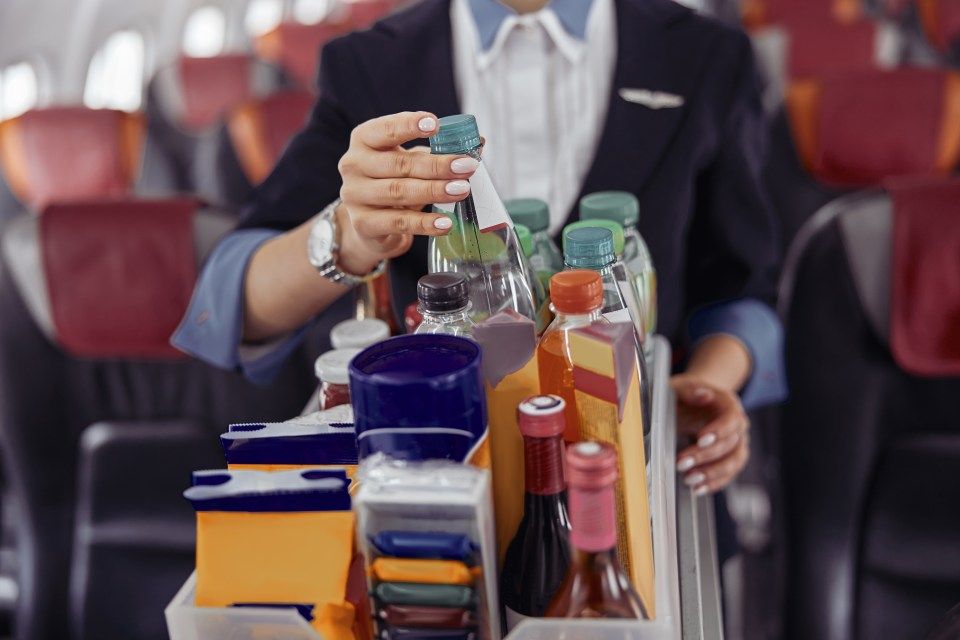
✈️ The Umami Hack: This noise effect is the main reason why Tomato Juice is one of the most popular drinks consumed on airplanes. Tomato juice is naturally high in the savory flavor compound umami, and its taste is amplified rather than suppressed by the high-altitude environment!
3. 🔪 How Airlines Compensate (The Secret Recipe)
Airlines are well aware of these scientific challenges and employ specific culinary hacks to combat them:
- Over-Seasoning: To achieve a “normal” flavor profile, airline caterers often add significantly more salt, sugar, and spices to their recipes—sometimes 20-40% more than a ground recipe would require.
- Umami Focus: Chefs often design menus specifically around flavors that are least affected or even enhanced in the air:
- Umami: Foods rich in glutamates (like soy sauce, mushrooms, cured meats, and ripe tomatoes) retain their flavor better.
- Spicy/Sour/Bitter: These flavors are less affected by the altitude and are used to provide the “kick” that sweet and salty can’t deliver.
- Texture: Food is chosen to remain soft and moist, as the dry cabin air can quickly turn bread stale and meat tough.