I have structured the information to cover the offerings in all classes and provided advice on the best choices for hydration and comfort.
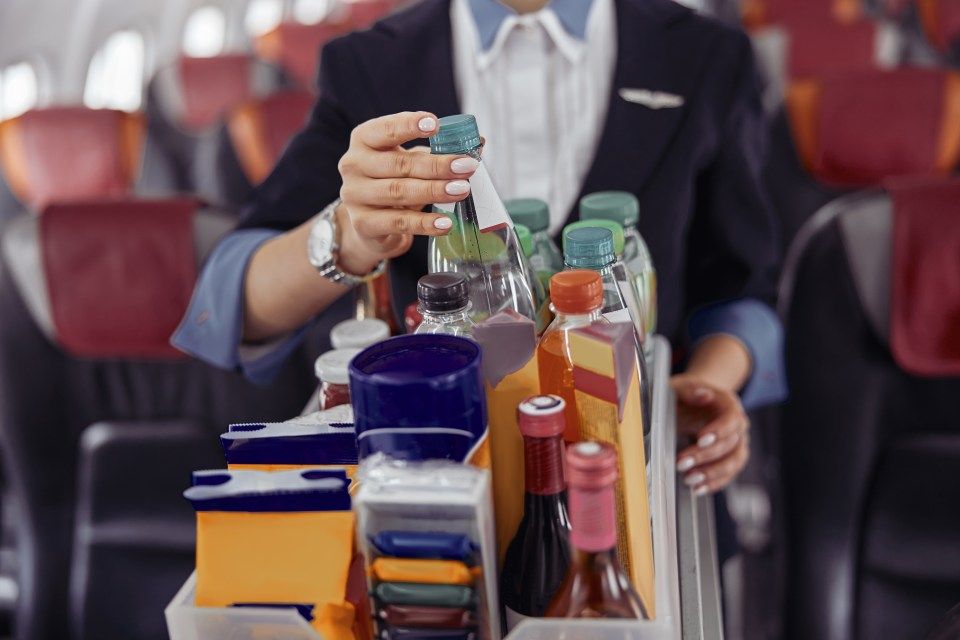
I. Beverage Offering by Cabin Class
The beverage selection changes dramatically depending on your ticket class, ranging from basic catering to premium bottled wines and champagne.
1. Economy Class
The standard offering (often complimentary on long-haul flights, paid for on low-cost carriers) typically includes:
- Water: Bottled or from the aircraft’s dispensing system/carafe.
- Carbonated Soft Drinks: Cola, soda water, standard sodas (e.g., Sprite).
- Juices: Typically apple, orange, and tomato.
- Hot Drinks: Brewed coffee, black tea.
- Alcohol (Paid/Included): Wine (red, white), beer, and a limited selection of hard liquor in miniature bottles (e.g., vodka, gin, whisky).
2. Business Class
The offering is significantly upgraded and includes premium non-alcoholic and alcoholic beverages served in proper glassware.
- Non-Alcoholic: Fresh juices, premium mineral water, a wider selection of branded soft drinks.
- Hot Drinks: Espresso, Cappuccino, Latte (if a machine is available), and a selection of branded teas.
- Alcohol: A wide selection of bottled fine wines (red, white, dessert), named Champagne (often served pre-departure), liquors, and premium spirits (aged whiskies, cognacs).
3. First Class
This represents the highest level of catering, featuring the finest and often exclusive beverages.
- Champagne: Only the most prestigious vintage Champagnes (e.g., Dom Pérignon, Krug) are typically served.
- Wine: Rare, exclusive, and expensive vintage wines (including Grand Cru selections), which may be decanted.
- Spirits: Extremely old and high-end cognacs, single malt whiskies, and other ultra-premium spirits.
- Coffee and Tea: Usually espresso machine coffee, handcrafted coffees, and specialized artisanal tea blends from around the world.
II. The Best In-Flight Drinks (MAXIMUM HYDRATION)
The most crucial factor in the air is hydration, as the low cabin humidity causes the body to dehydrate faster.
| Beverage | Assessment and Why |
| 💧 Bottled Water | The absolute best choice in all classes. It is clean and essential for preventing fatigue and dehydration. Opt for unopened bottled water over water served in an open glass. |
| 🍅 Tomato Juice | A surprisingly popular choice. Due to changes in air pressure and taste bud sensitivity, the saltiness of tomato juice becomes more pleasant and less intense at altitude. |
| ☕ Coffee/Espresso (Only from an Espresso Machine) | In Business and First Class where espresso machines are provided, the quality is far superior, eliminating the issue of the aircraft’s bulk water supply (see “Worst” section). |
III. What to Avoid (The Worst In-Flight Drinks)
These recommendations are generally consistent across all classes and are based on comfort and hygiene concerns.
| Beverage | Reason to Avoid | Impact on the Body |
| ☕ Coffee and Tea (Made from Tank Water) | Main Issue: Hygiene. The water for brewing in Economy Class often comes from the plane’s internal tanks, which are not cleaned as frequently as recommended. This poses a potential, albeit small, risk of bacterial contamination. | Potential risk of stomach issues; poor taste quality. |
| 🥂 Alcohol | Dehydration and amplified effect. The lower cabin pressure increases the effect of alcohol. It dehydrates the body and worsens jet lag. It is highly recommended to alternate every alcoholic drink with a glass of water. | Increased intoxication, severe dehydration, greater discomfort. |
| 🥤 Carbonated Drinks | Cause bloating and gas. In the lower pressure of the cabin, the gas in these drinks expands, leading to uncomfortable feelings in the digestive tract. | Unpleasant bloating and stomach discomfort. |
| 🧊 Ice (Generally) | Similar to hot drinks, unless the ice is made from bottled water, it may come from the aircraft’s internal water supply, which may not be pristine. | Potential risk of contamination. |