
South America is an incredibly diverse continent, offering an amazing array of landscapes, cultures, climates, and experiences. It’s a land of contrasts – from the snow-capped peaks of the Andes to the hot, humid Amazon rainforest, and from bustling metropolises to remote indigenous villages.
If you’re considering a trip to South America, here’s a comprehensive overview to help you plan your adventure:
Popular and Must-Visit Destinations
- Peru:
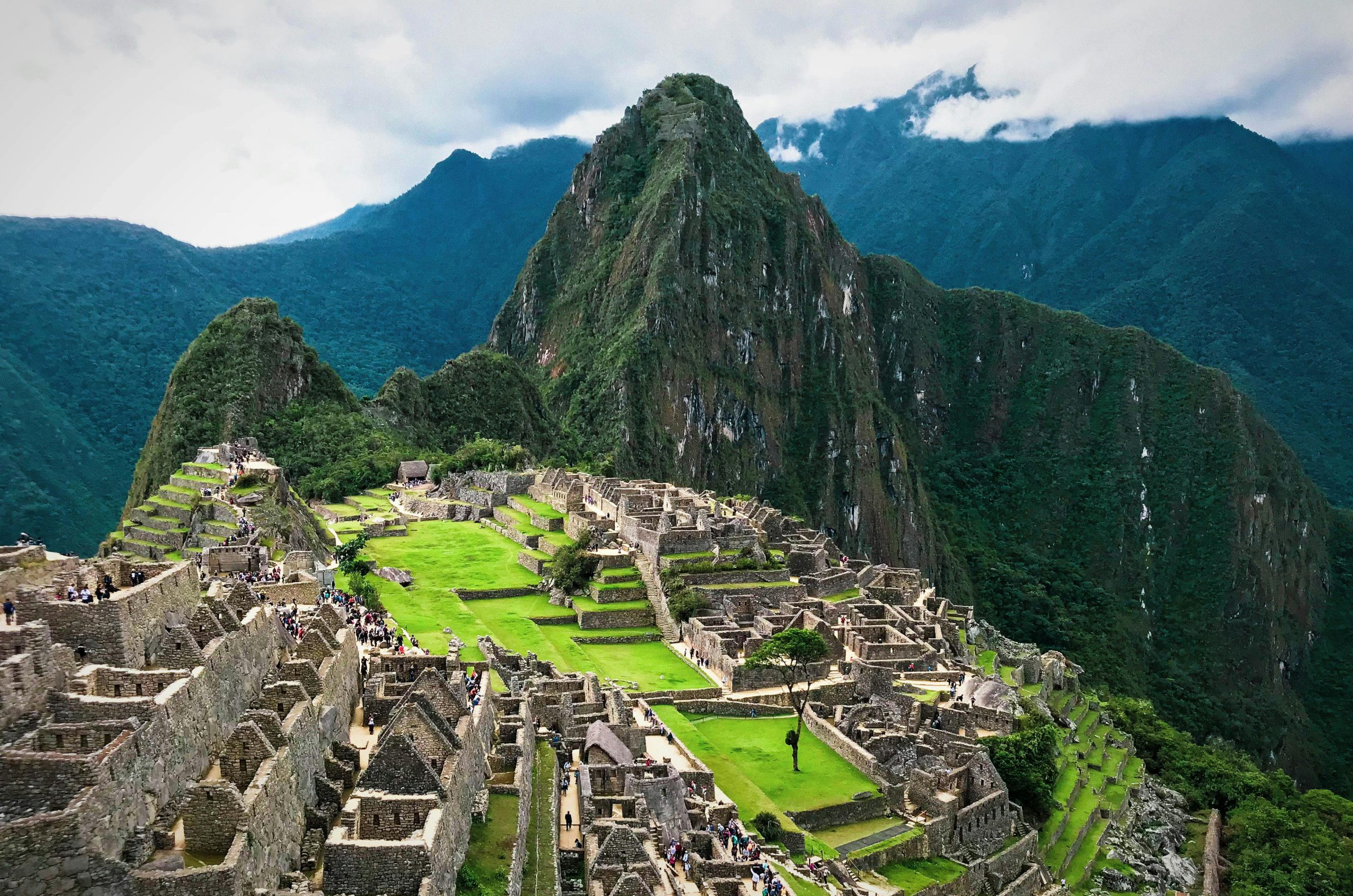
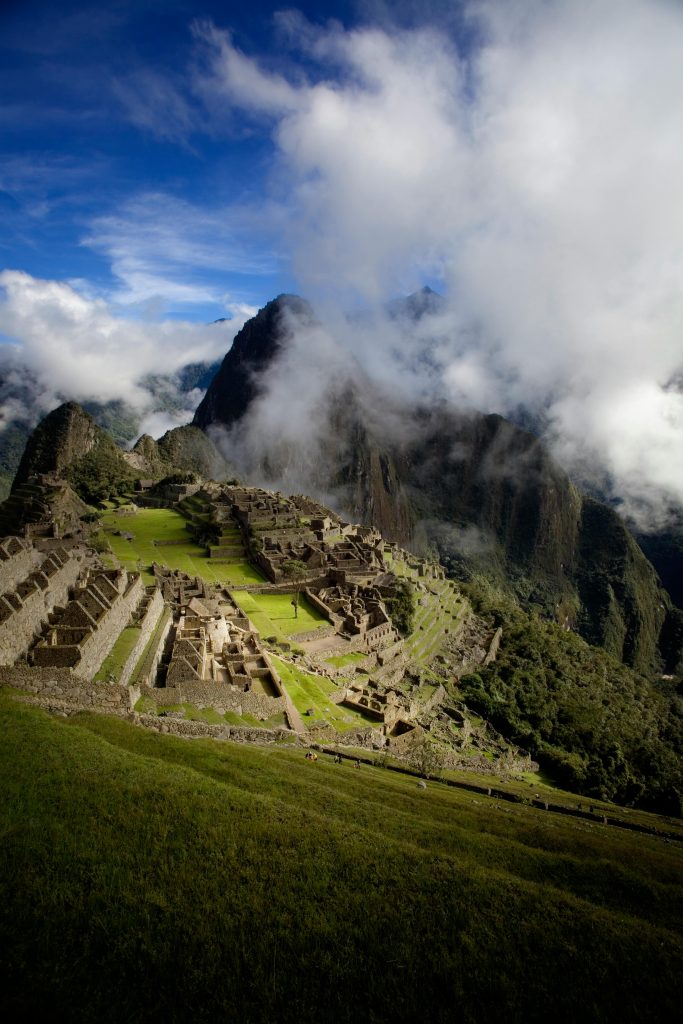
- Machu Picchu: One of the most famous archaeological sites in the world and a highlight of the Inca Empire. You can reach it via the Salkantay Trek or the Inca Trail.
- Cusco: The former capital of the Inca Empire, brimming with colonial architecture and a common starting point for Machu Picchu excursions.
- Lake Titicaca: The highest navigable lake in the world, home to indigenous communities and the unique Uros floating islands.
- Amazon Rainforest: Accessible from Cusco or Iquitos, offering incredible biodiversity.
- Brazil:
- Rio de Janeiro: Iconic city with Copacabana and Ipanema beaches, the Christ the Redeemer statue, and Sugarloaf Mountain.
- Amazon Rainforest: The largest portion of the Amazon is in Brazil, ideal for river cruises and wildlife spotting.
- Iguazu Falls: A massive system of waterfalls on the border with Argentina, an incredible natural wonder.
- Salvador: A hub of Afro-Brazilian culture, known for its music, dance, and cuisine.
- Argentina:
- Buenos Aires: A vibrant capital city famous for tango, European architecture, and excellent cuisine.
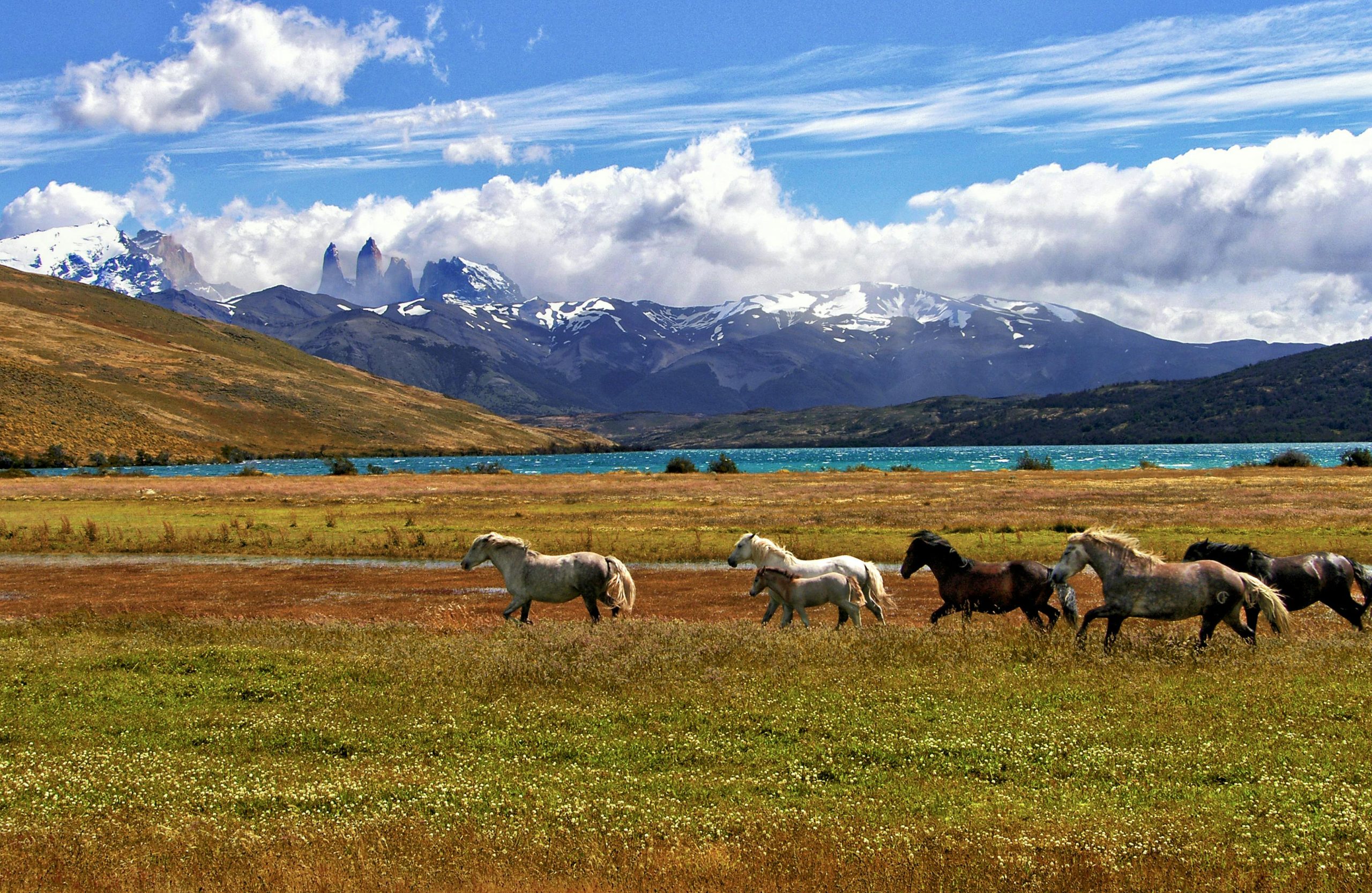
- Patagonia: A stunning region in the south with glaciers (e.g., Perito Moreno), mountains (El Chaltén, Torres del Paine in Chile), and abundant wildlife.
- Iguazu Falls: The Argentine side offers a different perspective of the falls.
- Mendoza: A region renowned for its vineyards and Malbec production.
- Chile:
- Torres del Paine (Patagonia): One of the world’s most beautiful national parks for hiking, featuring dramatic mountains and glaciers.
- Atacama Desert: The driest desert in the world, with lunar landscapes, geysers, and an incredible night sky for stargazing.
- Santiago: The modern capital city surrounded by the Andes.
- Easter Island (Rapa Nui): A mysterious island with enormous Moai stone statues.
- Colombia:
- Cartagena: A colonial city on the Caribbean coast, known for its colorful streets, walled old town, and historic center.
- Bogota: The high-altitude capital with museums (like the Gold Museum) and a vibrant arts scene.
- Medellín: The “city of eternal spring” with innovative infrastructure and a revitalized atmosphere.
- Coffee Region (Eje Cafetero): Picturesque hills where world-renowned Colombian coffee is grown.
- Ecuador:
- Galapagos Islands: A unique archipelago with incredible wildlife that has no fear of humans (Darwin’s laboratory of evolution).
- Quito: A beautiful capital city with a colonial center, surrounded by volcanoes.
- Amazon Rainforest: Accessible from Quito, offering rich wildlife and cultural experiences.
- Bolivia:
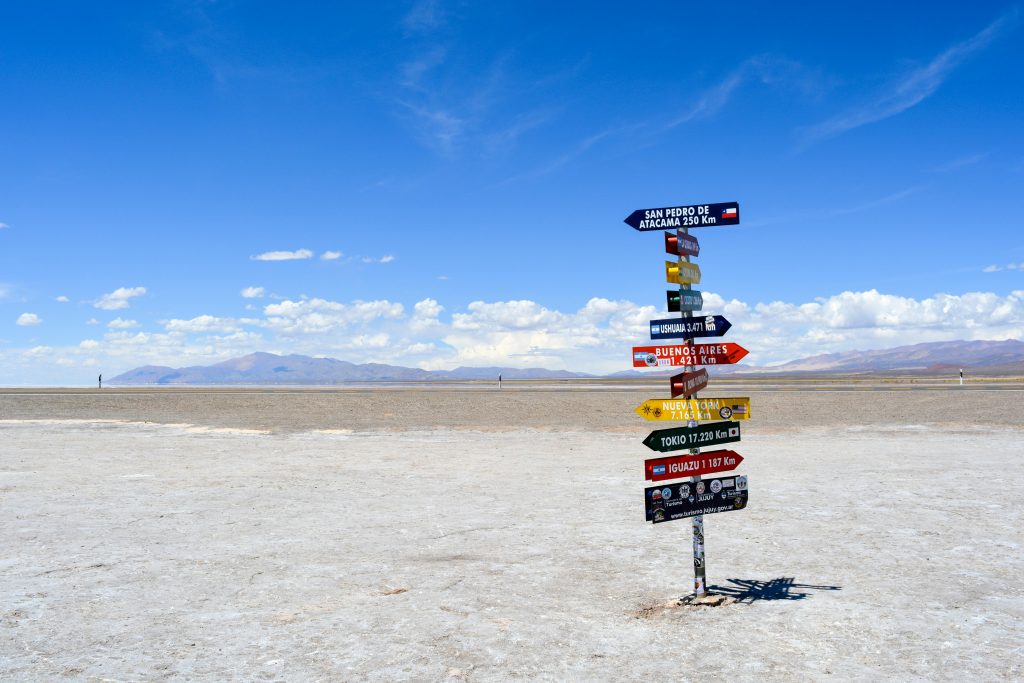
- Salar de Uyuni: The world’s largest salt flat, a surreal landscape that transforms into a gigantic mirror during the wet season.
- La Paz: The highest capital city in the world, with stunning views and a unique culture.
- Lake Titicaca: Bolivia shares this lake with Peru.
When to Visit South America
Given the continent’s vast size, the weather varies significantly. Generally:
- Andes (Peru, Bolivia, Ecuador, parts of Chile/Argentina): The dry season from May to September is ideal for trekking, with clear days but cold nights. The rainy season is from October to April.
- Amazon Rainforest: Hot and humid year-round, with a more pronounced rainy season from December to May, when rivers are higher.
- Patagonia (Argentina, Chile): The best time to visit is from December to March (southern hemisphere summer) when it’s warmer and days are longer. Winters are cold and windy.
- Brazil (Rio de Janeiro): December to March is summer, hot and humid. May to September is cooler and drier.
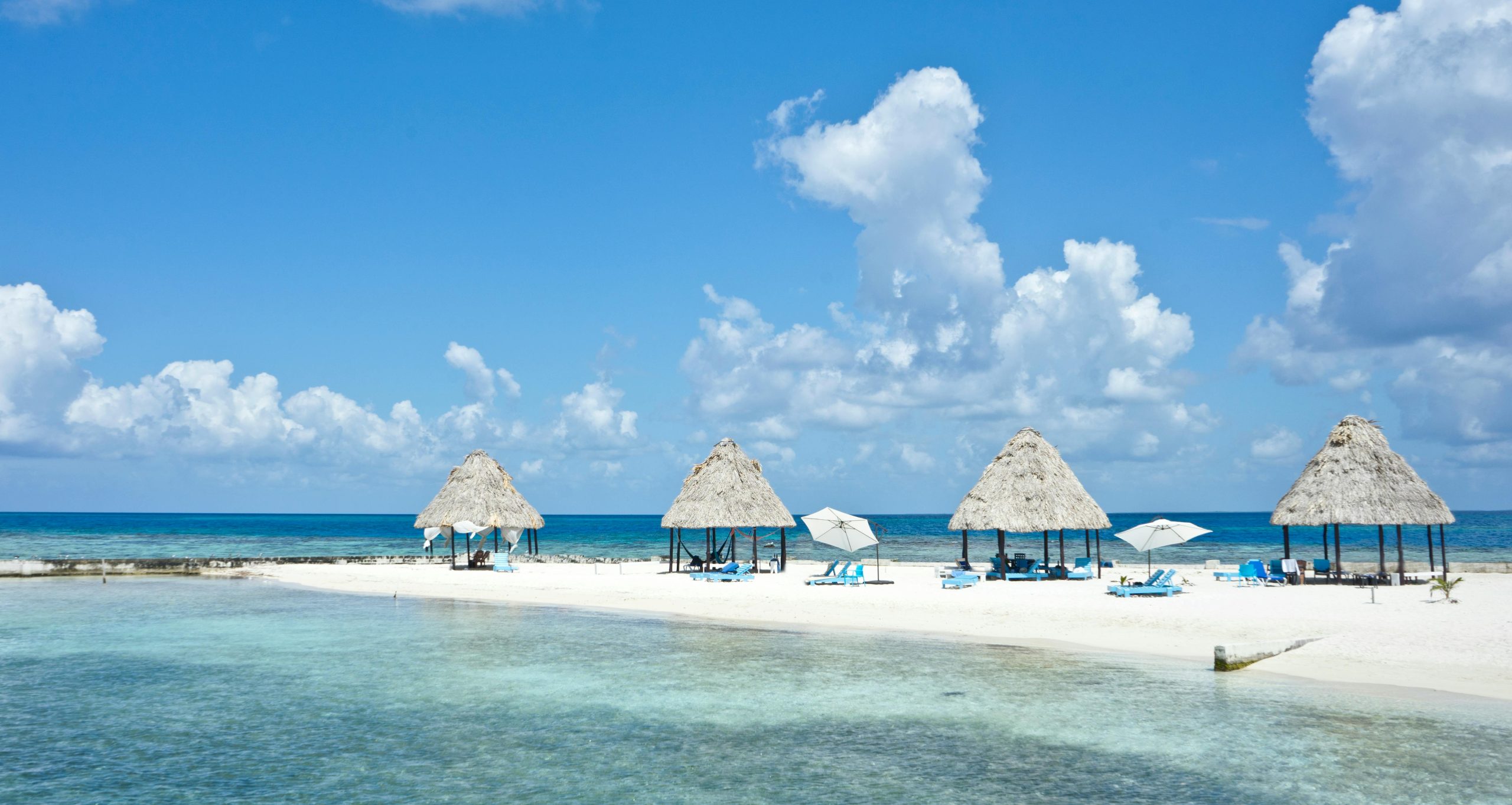
- Caribbean Coast (Colombia, Venezuela): Warm year-round, with a dry season from December to April.
Traveling Around South America
- Flights: For long distances, flying is the most efficient. Local airlines are numerous.
- Buses: For shorter and medium distances, buses are very popular, affordable, and often comfortable. Some even offer luxury sleeper options.
- Rental Cars: Not always recommended for long distances due to varying road conditions and driving styles.
- Trains: Trains are less common in South America than in Europe, with the exception of some tourist routes (e.g., to Machu Picchu).
Safety and Health
Safety
Safety is an important consideration in South America, but with sensible precautions, you can travel safely:
- Use common sense: Don’t flaunt valuables, and don’t leave belongings unattended.
- Research areas to avoid: Some cities and neighborhoods have higher crime rates.
- Be aware of your surroundings: Pay attention to suspicious individuals and situations.
- Use taxis from reputable sources: Especially at night.
- Keep copies of important documents: Passport, visas, etc.
- Consider travel insurance.
- Learn a few basic phrases in Spanish/Portuguese: It will help immensely.
Health
- Vaccinations: Consult your doctor about recommended vaccinations (yellow fever, hepatitis, typhoid, etc.), especially if you plan to visit the Amazon.
- Malaria and Dengue: Risks exist in some areas; consider insect repellent and antimalarial medication.
- Altitude Sickness: If traveling to high altitudes (Andes), acclimatize gradually and drink plenty of fluids.
Language and Tips
- Spanish: Predominant in most countries.
- Portuguese: The official language in Brazil.
- Indigenous Languages: Spoken in some areas (e.g., Quechua in Peru, Aymara in Bolivia).
Travel Tips
- Flexibility: Travel in South America can be less predictable than in Europe; be prepared for changes in plans.
- Local Currency: Always carry some local cash, especially in smaller towns.
- Bargaining: Haggling is common in markets.
- Taste the local cuisine: It’s incredibly diverse and delicious!
- Be open to new experiences: South America is a continent full of surprises.
Whether you’re drawn to majestic mountains, pristine rainforests, vibrant cities, or ancient civilizations, South America has something for everyone. It’s a continent that requires a bit of planning and preparation but will reward you with unforgettable memories. South America is an enormous continent offering an incredible variety of landscapes, cultures, climates, and experiences. It’s a continent of contrasts – from the snow-capped peaks of the Andes to the hot Amazon rainforest, from pulsating metropolises to remote indigenous villages.
If you’re considering a trip to South America, here’s a comprehensive overview to help you plan:
Top Destinations & Experiences
South America boasts some of the world’s most iconic natural wonders and cultural sites. Here are a few must-visit places:
- Peru:
- Machu Picchu: The ancient Inca citadel is a wonder of the world, often reached via multi-day treks like the Inca Trail or Salkantay Trek.
- Cusco: The former Inca capital, a beautiful city with colonial architecture, serving as the gateway to Machu Picchu and the Sacred Valley.
- Lake Titicaca: The highest navigable lake in the world, home to unique indigenous communities and the floating Uros islands.
- Amazon Rainforest: Access points from Cusco or Iquitos offer incredible biodiversity and wildlife viewing.
- Brazil:
- Rio de Janeiro: Famous for its stunning beaches (Copacabana, Ipanema), the Christ the Redeemer statue, and Sugarloaf Mountain. Don’t miss Carnival if your timing is right!
- Iguazu Falls: A colossal waterfall system on the border with Argentina, an absolute natural marvel.
- Amazon Rainforest: The largest part of the Amazon is in Brazil, perfect for river cruises and wildlife spotting.
- Argentina:
- Buenos Aires: The “Paris of South America,” known for its vibrant tango scene, European architecture, and delicious steakhouses.
- Patagonia: This vast southern region (shared with Chile) features stunning glaciers (like Perito Moreno), dramatic mountains (Fitz Roy, Torres del Paine), and incredible hiking opportunities.
- Iguazu Falls: The Argentinian side offers a different, often more immersive, perspective of the falls.
- Mendoza: A premier wine region, especially known for its Malbec.
- Chile:
- Torres del Paine National Park (Patagonia): A hiker’s paradise with iconic granite peaks and vast ice fields.
- Atacama Desert: The driest non-polar desert in the world, featuring surreal moon-like landscapes, geysers, and incredibly clear night skies for stargazing.
- Easter Island (Rapa Nui): A remote island famous for its mysterious Moai statues.
- Colombia:
- Cartagena: A colorful, walled colonial city on the Caribbean coast, rich in history and charm.
- Medellín: Known as the “City of Eternal Spring” for its pleasant climate, innovative urban development, and vibrant culture.
- Coffee Region (Eje Cafetero): Rolling green hills where you can learn about and taste world-renowned Colombian coffee.
- Ecuador:
- Galapagos Islands: A unique archipelago teeming with endemic wildlife that inspired Charles Darwin’s theory of evolution. A nature lover’s dream!
- Quito: The capital city, nestled high in the Andes, boasts a beautifully preserved colonial old town.
- Bolivia:
- Salar de Uyuni: The world’s largest salt flat, offering a surreal, mirror-like landscape during the wet season.
- La Paz: The highest de facto capital city in the world, offering incredible views and a fascinating indigenous culture.
When to Visit
South America’s vastness means its climate varies significantly by region. There’s no single “best” time to visit the entire continent, so consider where you want to go:
- Andes (Peru, Bolivia, Ecuador, parts of Chile/Argentina): The dry season from May to September is ideal for trekking, with clear skies and cooler nights. The rainy season is generally from October to April.
- Amazon Rainforest: Warm and humid year-round. The “dry” season (roughly June to November) means slightly less rain and lower river levels, which can make wildlife viewing easier as animals gather near remaining water sources. The “wet” season (December to May) means higher rivers, allowing for more boat exploration.
- Patagonia (Argentina, Chile): The best time is during the Southern Hemisphere summer (December to March), when temperatures are milder and days are longer. Winters (June-August) are cold, windy, and often see park closures.
- Brazil (Rio de Janeiro): Summer (December to March) is hot and humid, perfect for beaches and Carnival. May to September is cooler and drier.
- Caribbean Coast (Colombia): Warm year-round. The dry season is typically from December to April.
Getting Around South America
- Flights: For long distances, flying is the most efficient option. Many domestic airlines connect major cities.
- Buses: Buses are very popular, often comfortable, and relatively inexpensive for medium to long distances. Many routes offer luxury sleeper buses for overnight journeys.
- Rental Cars: Generally not recommended for long-distance travel due to varying road conditions and different driving styles, but can be useful for exploring specific regions.
- Trains: Less common than in Europe, with some notable exceptions for scenic or tourist routes (e.g., to Machu Picchu).
Essential Travel Tips
- Safety: South America is generally safe for tourists, but common sense is key.
- Avoid displaying expensive valuables.
- Be aware of your surroundings, especially in crowded areas.
- Use reputable taxis or ride-sharing apps like Uber (where available).
- Keep copies of important documents separate from the originals.
- Consider travel insurance.
- Health:
- Consult your doctor about recommended vaccinations (e.g., Yellow Fever, Hepatitis, Typhoid), especially if visiting the Amazon.
- Malaria and Dengue are risks in some areas; use insect repellent and consider antimalarial medication.
- Altitude sickness is a real concern in high-altitude areas (like the Andes). Acclimatize gradually and stay hydrated.
- Language:
- Spanish is spoken in most countries.
- Portuguese is the official language in Brazil.
- Learning a few basic phrases in the local language will go a long way!
- Currency: Always carry some local cash, especially in smaller towns.
- Flexibility: Travel in South America can be less predictable than in other parts of the world, so be prepared for potential changes to your plans.
- Local Cuisine: Don’t miss out on trying the incredible and diverse local foods!
Support Our Adventures: Book Your Trip Through Our Exclusive Links!
Dear readers, we hope this article has fueled your wanderlust and you’re ready to make your next travel dream a reality! If you’re looking to start planning immediately, we have a helpful tip for you:
By using our partner links below, you support our work and ensure we can continue bringing you high-quality travel content—all at absolutely no extra cost to you!
Turn that travel dream into a reality and secure the key components of your journey through our trusted partners:
1. Flights, Accommodation & Packages (The Essentials)
Find the best deals on flights, hotels, and all-in-one travel packages using global booking giants.
- Flights: Compare and book flights with competitive platforms like
- Kiwi.com :
- Kiwi.com US : https://kiwi.tpk.lv/kXsi7QaY
- Kiwi.com UK : https://kiwi.tpk.lv/gAZuafLB
- Kiwi.com FI : https://kiwi.tpk.lv/J0u1o2ru
- Kiwi.com : Nomad. How to visit multiple destinations for the lowest price : https://kiwi.tpk.lv/WEK07Jiu
- Kiwi.com IT : https://kiwi.tpk.lv/kf2zwwGH
- Kiwi.com DA : https://kiwi.tpk.lv/j25SS44j
- Kiwi.com DE : https://kiwi.tpk.lv/Q6ZmmoXD
- Kiwi.com : last minute flights : https://kiwi.tpk.lv/8NQF6GkN
- Kiwi.com : country to country flights : https://kiwi.tpk.lv/OhSCDGCr
- Kiwi.com FR : https://kiwi.tpk.lv/sSW5jVUN
- Kiwi.com ES : https://kiwi.tpk.lv/PwH62Ifh
- Kiwi.com BR : https://kiwi.tpk.lv/BXuqoiMb
- Kiwi.com PL : https://kiwi.tpk.lv/03KEQ23R
- Kiwi.com NL : https://kiwi.tpk.lv/bhr2vypj
- Kiwi.com IN : https://kiwi.tpk.lv/pGNaD19m
- Kiwi.com CZ : https://kiwi.tpk.lv/T6C6Da3z
- Trip.com :
- Trip.com : English : https://trip.tpk.lv/fieZCKGT
- Trip.com : Thailand : https://trip.tpk.lv/kv7gIW8O
- Trip.com : Spanish : https://trip.tpk.lv/TLa1BsKx
- Trip.com : India : https://trip.tpk.lv/ovsW7XXm
- Trip.com : Trains (Thailand) : https://trip.tpk.lv/Q46n2bDi
- Trip.com : Trains (Chinese, Hong Kong) : https://trip.tpk.lv/MeHIbj0X
- Trip.com : Trains (Korean) : https://trip.tpk.lv/rWHdUda6
- Trip.com : Hotel & Flight bundle : https://trip.tpk.lv/xV30XH3s
- Trip.com : Airport tansfers : https://trip.tpk.lv/ghLf1IEJ
- Trip.com : Car rental : https://trip.tpk.lv/illJ134Y
- CheapOair :
- https://cheapoair.tpk.lv/RRTmfV3S
- Aviasales :
- https://aviasales.tpk.lv/gKYbo853
- Expedia :
- Expedia US : https://expedia.tpk.lv/pCvtQzkV
- Expedia Argentina : https://expedia.tpk.lv/LRSbYL3w
- Expedia Brazil : https://expedia.tpk.lv/zKpGcAXH
- Expedia Canada : https://expedia.tpk.lv/z5SpyCIY
- Expedia Mexico : https://expedia.tpk.lv/BUH8tVsE
- Expedia Denmark : https://expedia.tpk.lv/mbRMtTEs
- Expedia Finland : https://expedia.tpk.lv/4WUz0MBv
- Expedia France : https://expedia.tpk.lv/hKbKHSCW
- Expedia Germany : https://expedia.tpk.lv/olz5jpB8
- Expedia Austria : https://expedia.tpk.lv/0DA8eTle
- Expedia Switzerland : https://expedia.tpk.lv/2veyK1NE
- Expedia Ireland : https://expedia.tpk.lv/BisYp6JE
- Expedia Italy : https://expedia.tpk.lv/Oekb5U1f
- Expedia Norway : https://expedia.tpk.lv/NRRPOi3r
- Expedia Spain : https://expedia.tpk.lv/xFVFft6N
- Expedia Sweden : https://expedia.tpk.lv/42DWPhdy
- Expedia UK : https://expedia.tpk.lv/6tsiZhjd
- Accommodation: Secure your perfect stay—from luxury hotels to hostels—using :
- Booking.com :
- https://booking.tpk.lv/cLbuaDaA
- Booking.com : deals page : https://booking.tpk.lv/L2ziCj6A
- Booking.com : Flights Homepage : https://booking.tpk.lv/E5jJVqeU
- Booking.com : Car Rental Homepage : https://booking.tpk.lv/ogQS5Lga
- Agoda :
- https://agoda.tpk.lv/OwlTkUi6
- Agoda find hotels in Phuket, Thailand : https://agoda.tpk.lv/ejqW2lRK
- Agoda find hotels in Bangkok, Thailand : https://agoda.tpk.lv/ttjZDwwj
- Agoda find hotels in Bali, Indonesia : https://agoda.tpk.lv/zBCfCfl8
- Agoda find hotels in Kuala Lumpur, Malaysia : https://agoda.tpk.lv/3fyLYKGU
- Trip.com :
- Trip.com Hotel & Flight bundle : https://trip.tpk.lv/xV30XH3s
- Expedia :
- Expedia US : https://expedia.tpk.lv/pCvtQzkV
- Hostelworld :
- https://hostelworld.tpk.lv/tls4EJed
- Hostelworld book cheap hostels : https://hostelworld.tpk.lv/72O2IR8D
- Hostelworld book budget hotels
- Packages: Book flights and hotels together for extra savings via
- Expedia :
- Expedia US : https://expedia.tpk.lv/pCvtQzkV
- Trip.com :
- Trip.com : Hotel & Flight bundle : https://trip.tpk.lv/xV30XH3s
- WayAway :
- WayAway : iOS app : https://wayaway.tpk.lv/qyj4uZHn
- WayAway : Android app : https://wayaway.tpk.lv/CifikaT6
2. Tours, Activities & Experiences
Maximize your holiday by pre-booking tickets, tours, and unique local experiences. Skip the lines and dive straight into the adventure!
- Tours & Tickets: Discover thousands of local activities, city tours, and attractions worldwide with :
- Viator : https://viator.tpk.lv/jKVITxSH
- GetYourGuide : https://getyourguide.tpk.lv/V6GC2pLm
- Klook :
- Klook : 4G LTE WiFi MNL Delivery for Manila Asia : https://klook.tpk.lv/ozVElohb
- Klook : Universal Studios Singapore Ticket : https://klook.tpk.lv/5lmEutuO
- Klook : Shanghai Disneyland Ticket : https://klook.tpk.lv/bphiDtwA
- Klook : Hong Kong Disneyland Park Ticket : https://klook.tpk.lv/qw4DY0cv
- Klook : Disneyland Paris Theme Park Ticket : https://klook.tpk.lv/LTAFpCdA
- Klook : Universal Studios Hollywood Ticket : https://klook.tpk.lv/LpIPkJ88
- Klook : Disneyland Resort in California Tickets : https://klook.tpk.lv/uzqPMUJe
- Klook : Universal Studios Japan Studio Pass : https://klook.tpk.lv/Z9v2Db1y
- Klook : Universal Studios Orlando Ticket : https://klook.tpk.lv/JZ6RQNjJ
- Klook : Universal Studios Beijing Ticket : https://klook.tpk.lv/gSRTT9pB
- Klook : Tokyo Disney Resort : https://klook.tpk.lv/bCBkbWDa
- Tiqets :
- Tiqets: top products France : https://tiqets.tpk.lv/LsaGf5EO
- Tiqets: top products Portugal : https://tiqets.tpk.lv/u5AJovOL
- Tiqets: top products Spain : https://tiqets.tpk.lv/1AdaRuww
- Tiqets: top products Italy : https://tiqets.tpk.lv/rbhp8dih
- Tiqets: top products Benelux : https://tiqets.tpk.lv/quOXikAO
- Tiqets: top products UAE : https://tiqets.tpk.lv/eb54vjQS
- Tiqets: top products USA : https://tiqets.tpk.lv/BCcyAYoF
- Tiqets: top products UK : https://tiqets.tpk.lv/3JJUATv8
- Tripadvisor :
- Trip.com : English : https://trip.tpk.lv/fieZCKGT
- Go City :
- https://gocity.tpk.lv/6geBnlRb
- Unique Experiences: Find special food experiences and dining events with :
- Eatwith :
- Eatwith: gift card : https://eatwith.tpk.lv/bQVEb7xE
3. Ground Transportation (Cars, Transfers, & Public Transit)
Ensure smooth travel once you arrive at your destination.
- Car Rental: Compare offers from dozens of rental companies for the best price via :
- QEEQ :
- QEEQ: Diamond Membership : https://qeeq.tpk.lv/1YoVmDCm
- QEEQ – 1-month of Qeeq Diamond Membership for free : https://qeeq.tpk.lv/JWgjwJnV
- Trip.com :
- Trip.com : Car rental : https://trip.tpk.lv/illJ134Y
- Airport Transfers & Taxi: Book private airport transfers or intercity rides in advance with :
- Welcome Pickups :
- Sightseeing Rides : https://tpk.lv/gmSMlU2R
- Kiwitaxi :
- https://kiwitaxi.tpk.lv/q7a7jyRI
- Indrive – city to city :
- Mobile App (Kazakhstan) : https://indrive.tpk.lv/Wbh8CHM5
- Mobile App (India, Egypt, Pakistan, Colombia, Ecuador, Brazil, Mexico, Morocco) : https://indrive.tpk.lv/3wW97g5W
- Buses & Trains: Secure rail tickets with :
- Rail Europe :
- https://raileurope.tpk.lv/bohYi3fZ
- BusBud :
- https://busbud.tpk.lv/2KPPPpQa
- Bicycle Rental: Book your bike for local exploration using :
- BikesBooking.com :
- https://bikesbooking.tpk.lv/pC4aLbpe
4. Essential Travel Services
Don’t leave home without these vital services that guarantee peace of mind, connectivity, and security.
- Connectivity (eSIM/Data): Stay connected globally without expensive roaming fees using eSIM providers like
- Airalo :
- https://airalo.tpk.lv/YGyayoZj
- Airalo: Mobile App : https://airalo.tpk.lv/QwKik5cD
- Yesim :
- Yesim: Web (en) : https://yesim.tpk.lv/k9lIUE3m
- Yesim: App (en) : https://yesim.tpk.lv/fEf3XO1u
- Travel Insurance: Secure comprehensive travel protection with providers like :
- Insubuy :
- Insubuy: Travel Insurance : https://insubuy.tpk.lv/EdyA7ToI
- EKTA :
- https://ektatraveling.tpk.lv/sfpQluhl
- Claim Compensation: Get help claiming compensation for delayed or canceled flights via
- AirHelp :
- AirHelp: AirHelp+ subscription : https://airhelp.tpk.lv/DXIuiP6L
- AirHelp: Missed connection insurance : https://airhelp.tpk.lv/u0Nju5Vg
- AirHelp: AirHelp+ US : https://airhelp.tpk.lv/cz49u2VQ
- Compensair :
- https://compensair.tpk.lv/LuNhAHBy
- VPN: Protect your digital security and access geo-restricted content with :
- NordVPN :
- NordVPN : https://nordvpn.tpk.lv/2chc2vkm
- NordPass : https://nordvpn.tpk.lv/WGdCyF6L
- Airport Lounge Access: Enhance your pre-flight experience with :
- Priority Pass :
- Luggage Storage: Conveniently store your bags in cities worldwide with :
- Radical Storage :
- https://radicalstorage.tpk.lv/JP2jAhNE
Why Book Using Our Links?
It costs you nothing extra, but it provides vital support to our blog! The small commission we receive from our partners helps us cover the costs of creating this content and bringing you more tips and inspiration for your future adventures.
Thank you for your support, and happy travels!