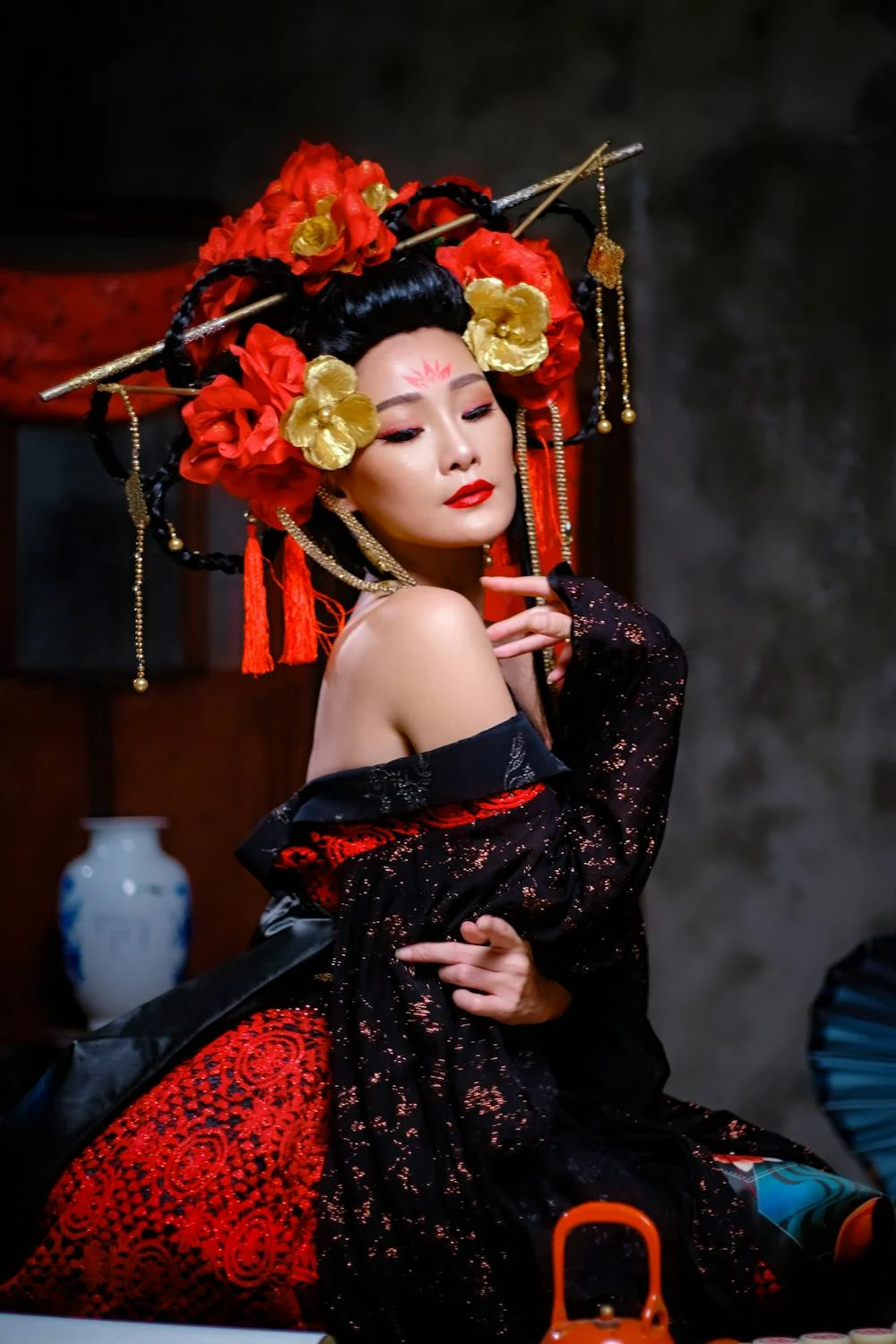
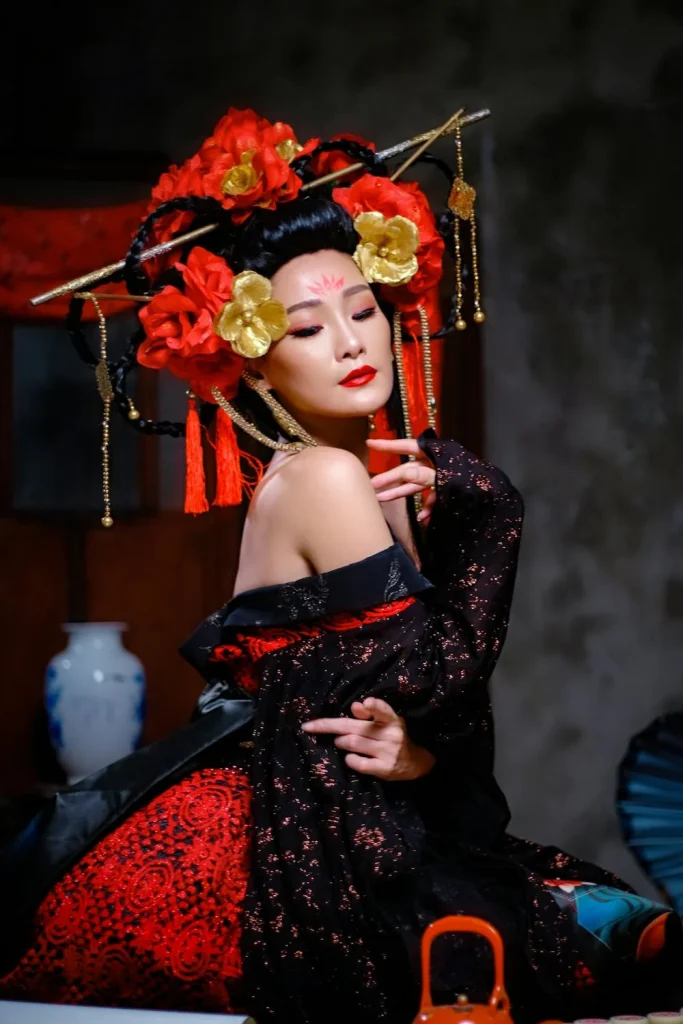
1. Japanese Culture (Japan)
- Why it enchants: Japan is a fascinating blend of ancient traditions and hyper-modern innovation. Its deep respect for nature, meticulous artistry, and profound philosophies create a truly unique atmosphere.
- Enchanting aspects:
- Tea Ceremony (Chanoyu): A deeply ritualistic and meditative practice that embodies principles of harmony, respect, purity, and tranquility. It’s a profound experience.
- Cherry Blossom (Sakura) Viewing (Hanami): A time for reflection on the fleeting beauty of life, celebrated with picnics under the blossoming trees.
- Zen Gardens: Designed for meditation and contemplation, often creating miniature landscapes of profound beauty.
- Geisha Performances: Witnessing the highly refined art of these traditional entertainers is a rare and exquisite experience.
- Ryokans: Staying in a traditional Japanese inn offers a glimpse into authentic hospitality, with tatami mats, futons, and traditional meals.
- Artistry: From delicate ceramics to intricate kimonos and the precision of sushi preparation, Japanese craftsmanship is exceptional.
2. Maasai Culture (Kenya & Tanzania, East Africa)
- Why it enchants: The Maasai are one of the few indigenous tribes in Africa who have largely maintained their traditional semi-nomadic lifestyle and distinct customs despite modern influences. Their vibrant attire, warrior traditions, and deep connection to the land are captivating.
- Enchanting aspects:
- “Adumu” (Jumping Dance): A powerful and rhythmic dance where warriors compete to jump highest, symbolizing strength and vitality. Often part of welcoming ceremonies.
- Traditional Dress: The iconic red shuka (cloth) and elaborate beadwork are instantly recognizable and visually striking.
- Pastoralist Lifestyle: Learning about their reliance on cattle and their knowledge of the savanna.
- Hospitality: Many tours offer opportunities for cultural exchange, visiting Maasai villages, and learning about their daily life and traditions directly from the community.
3. Peruvian (Incan and Andean) Culture (Peru)
- Why it enchants: Peru is steeped in the ancient legacy of the Inca Empire and other Andean civilizations. Their spiritual connection to the mountains (Apus) and Mother Earth (Pachamama) is palpable, particularly in the Sacred Valley.
- Enchanting aspects:
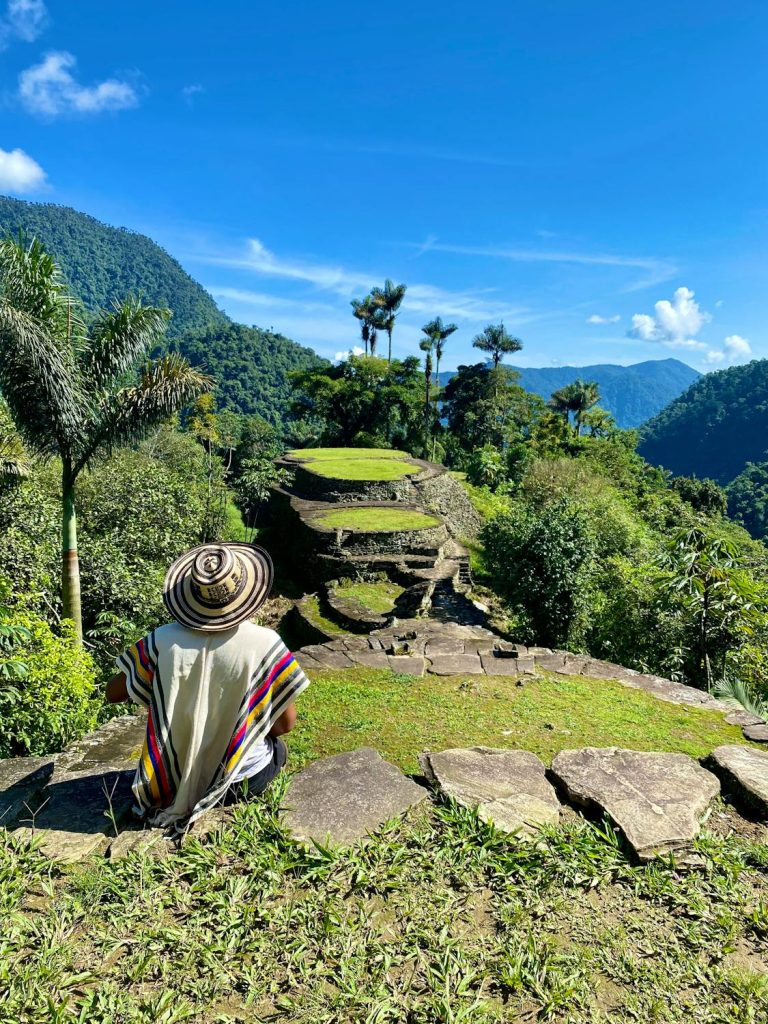
- Machu Picchu: Beyond its architectural marvel, the “Lost City of the Incas” holds immense spiritual significance, making a visit there a truly enchanting and often emotional experience.
- Andean Rituals: Participating in traditional ceremonies led by shamans, which often involve offerings to Pachamama or coca leaf readings.
- Vibrant Textiles: The Quechua people are renowned for their intricate weaving, using natural dyes and alpaca wool to create stunning patterns that tell stories.
- Indigenous Markets: Bustling markets like Pisac or Chinchero offer a glimpse into local life, traditional crafts, and vibrant colors.
You’re looking for cultures that will truly “enchant” you – meaning they offer something deeply captivating, unique, and often transformative. Here are some cultures renowned for their ability to do just that, with highlights of what makes them so special:
1. Japanese Culture (Japan)
- Why it enchants: Japan is a fascinating blend of ancient traditions and hyper-modern innovation. Its deep respect for nature, meticulous artistry, and profound philosophies create a truly unique atmosphere.
- Enchanting aspects:
- Tea Ceremony (Chanoyu): A deeply ritualistic and meditative practice that embodies principles of harmony, respect, purity, and tranquility. It’s a profound experience.
- Cherry Blossom (Sakura) Viewing (Hanami): A time for reflection on the fleeting beauty of life, celebrated with picnics under the blossoming trees.
- Zen Gardens: Designed for meditation and contemplation, often creating miniature landscapes of profound beauty.
- Geisha Performances: Witnessing the highly refined art of these traditional entertainers is a rare and exquisite experience.
- Ryokans: Staying in a traditional Japanese inn offers a glimpse into authentic hospitality, with tatami mats, futons, and traditional meals.
- Artistry: From delicate ceramics to intricate kimonos and the precision of sushi preparation, Japanese craftsmanship is exceptional.
2. Maasai Culture (Kenya & Tanzania, East Africa)
- Why it enchants: The Maasai are one of the few indigenous tribes in Africa who have largely maintained their traditional semi-nomadic lifestyle and distinct customs despite modern influences. Their vibrant attire, warrior traditions, and deep connection to the land are captivating.
- Enchanting aspects:
- “Adumu” (Jumping Dance): A powerful and rhythmic dance where warriors compete to jump highest, symbolizing strength and vitality. Often part of welcoming ceremonies.
- Traditional Dress: The iconic red shuka (cloth) and elaborate beadwork are instantly recognizable and visually striking.
- Pastoralist Lifestyle: Learning about their reliance on cattle and their knowledge of the savanna.
- Hospitality: Many tours offer opportunities for cultural exchange, visiting Maasai villages, and learning about their daily life and traditions directly from the community.
3. Peruvian (Incan and Andean) Culture (Peru)
- Why it enchants: Peru is steeped in the ancient legacy of the Inca Empire and other Andean civilizations. Their spiritual connection to the mountains (Apus) and Mother Earth (Pachamama) is palpable, particularly in the Sacred Valley.
- Enchanting aspects:
- Machu Picchu: Beyond its architectural marvel, the “Lost City of the Incas” holds immense spiritual significance, making a visit there a truly enchanting and often emotional experience.
- Andean Rituals: Participating in traditional ceremonies led by shamans, which often involve offerings to Pachamama or coca leaf readings.
- Vibrant Textiles: The Quechua people are renowned for their intricate weaving, using natural dyes and alpaca wool to create stunning patterns that tell stories.
- Indigenous Markets: Bustling markets like Pisac or Chinchero offer a glimpse into local life, traditional crafts, and vibrant colors.
4. Moroccan (Berber) Culture (Morocco)
- Why it enchants: Morocco offers an intoxicating sensory experience – the sights, sounds, and smells of its ancient medinas, the warm hospitality, and the deep-rooted Berber heritage create a captivating atmosphere.
- Enchanting aspects:
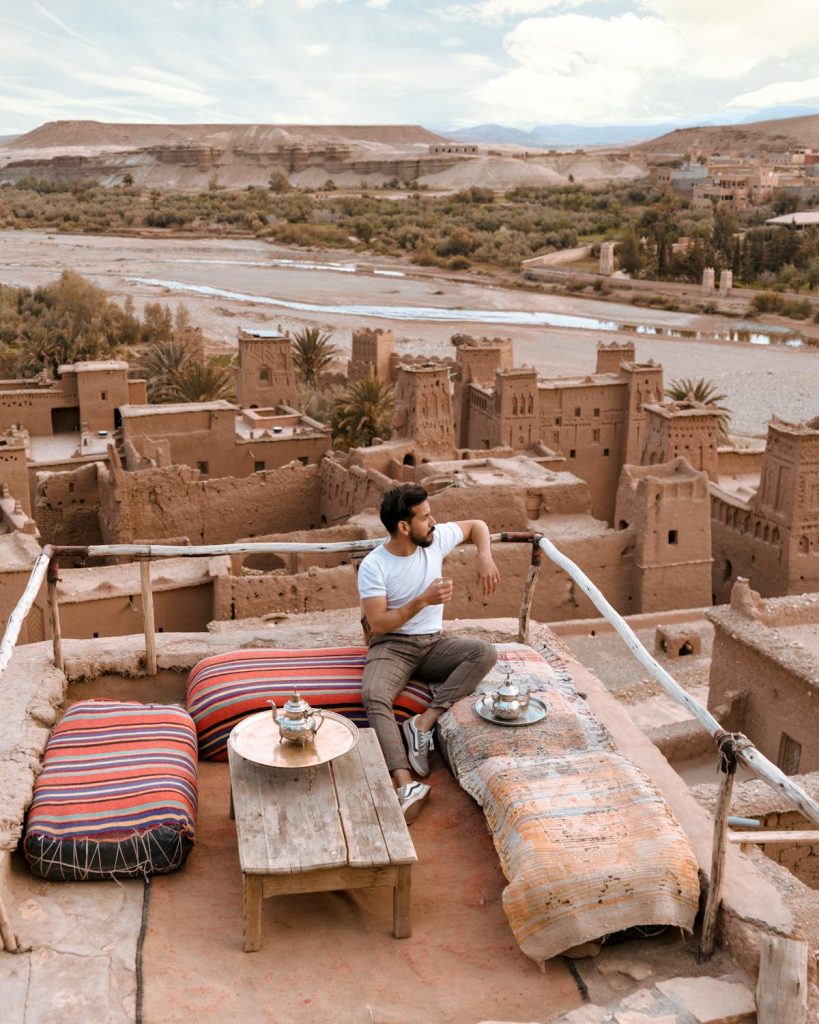
- Mint Tea Ceremony: More than just a drink, it’s a ritual of hospitality and friendship, often served with great flair.
- Souks and Medinas: Getting lost in the labyrinthine markets of Fes or Marrakech is an adventure in itself, filled with artisans, storytellers, and snake charmers (especially in Jemaa el-Fnaa).
- Sahara Desert Experience: Spending a night under the stars in a Berber camp, listening to traditional music, and riding camels through the dunes.
- Artistry: Intricate tile work (zellige), leather goods, vibrant textiles, and traditional music.
5. Balinese Culture (Indonesia)
- Why it enchants: Bali is often called the “Island of the Gods” due to its pervasive spirituality, vibrant Hindu traditions (unique in Indonesia), and stunning natural beauty. The daily offerings, ceremonies, and artistic expressions are deeply enchanting.
- Enchanting aspects:
- Daily Offerings (Canang Sari): Small, intricately woven palm leaf baskets filled with flowers, rice, and incense are placed everywhere – on sidewalks, shrines, and altars – as daily tributes to the gods.
- Temple Ceremonies: Witnessing colorful and elaborate temple festivals with traditional music, dance, and processions.
- Gamelan Music & Dance: The hypnotic sounds of the gamelan orchestra accompanying graceful traditional dances like the Legong or Barong.
- Rice Terraces & Subak System: The ancient communal irrigation system (Subak) is not just agricultural but also a spiritual and cultural marvel.
- Artistic Expression: Bali is a hub of traditional arts, from wood carving and painting to silverwork and batik.
6. Tibetan Culture (Tibet/Nepal/Bhutan/India)
- Why it enchants: Tibetan culture is deeply intertwined with Tibetan Buddhism, creating a serene, spiritual, and resilient way of life. The majestic Himalayan backdrop only adds to its mystique.
- Enchanting aspects:
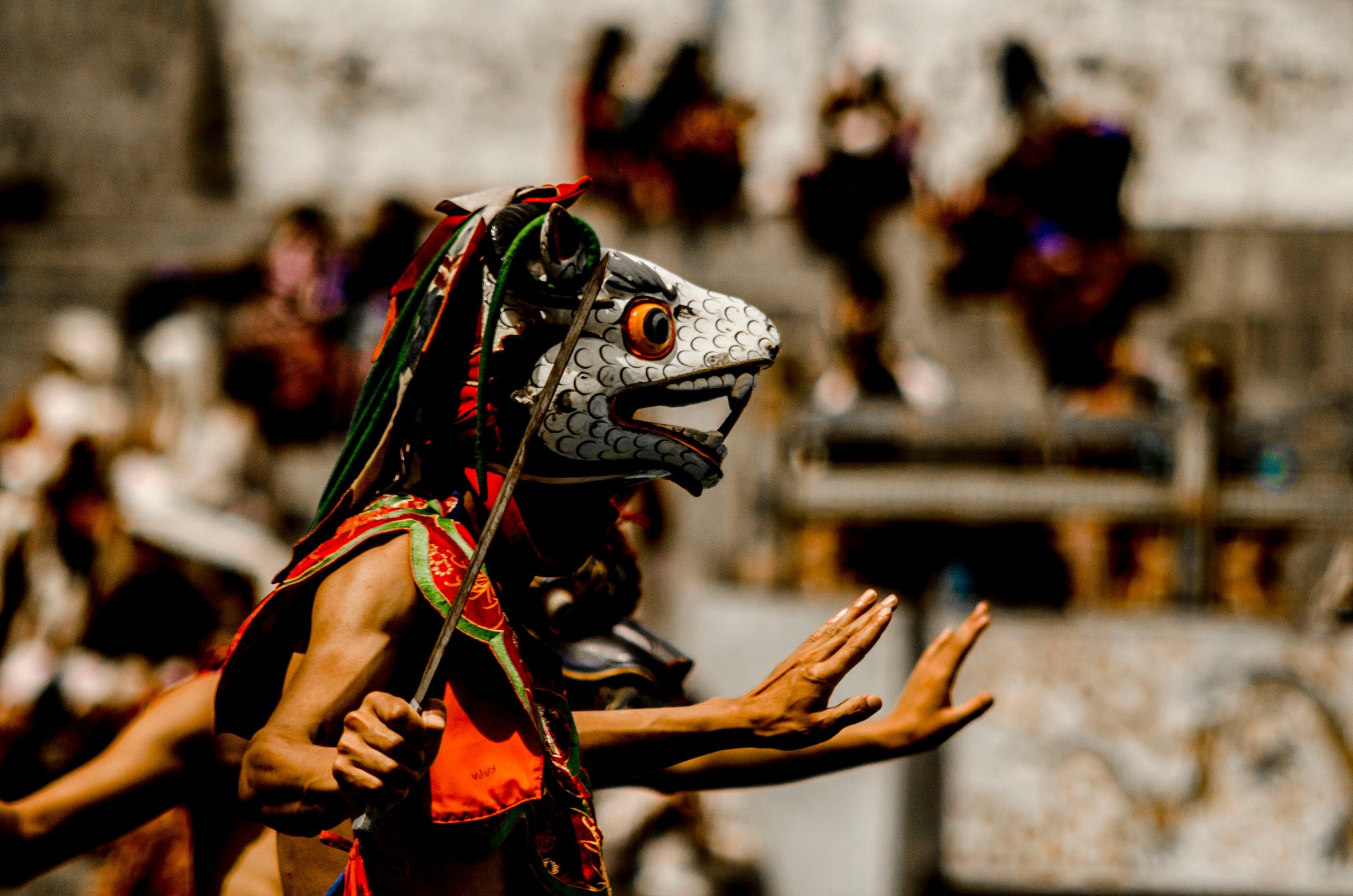
- Monasteries and Temples: Visiting these sacred sites, observing monks in prayer, and witnessing vibrant prayer flags fluttering in the wind.
- Thangka Painting: A traditional form of Buddhist painting on cotton or silk appliqué, depicting deities, mandalas, or scenes from the life of Buddha.
- Prayer Wheels and Mantras: The meditative practice of spinning prayer wheels and chanting “Om Mani Padme Hum.”
- Nomadic Lifestyles: In certain regions, experiencing the traditional nomadic life with yak herders.