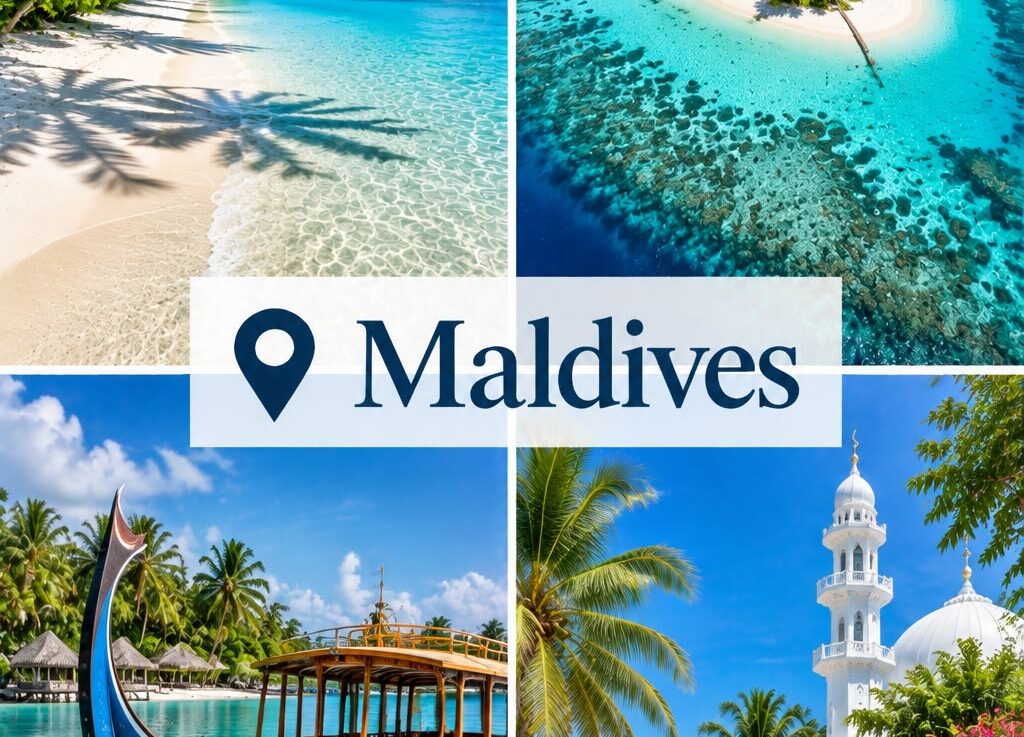
The Ultimate Maldives Travel Guide: Beyond the Postcards (Your No-BS Survival & Paradise Manual)
With picture-perfect overwater bungalows, blindingly white powdery beaches, and crystal-clear turquoise lagoons cradled by vibrant coral reefs, the Maldives is the ultimate definition of a tropical dream. Spanning an isolated chain of 26 atolls in the Indian Ocean, this island nation is world-renowned as a luxury playground—yet with a shift toward local island tourism, experiencing this paradise is more accessible than ever before.
This comprehensive guide covers everything you need to know before booking: from exact weather windows and local Maldivian cuisine to medical care, safety, and accommodation tiers.
1. When to Go: Best Time to Visit
Straddling the equator, the Maldives enjoys a warm tropical climate year-round, but its weather patterns are dictated by two distinct monsoons:
- The Dry Season / Northeast Monsoon (December to April – Best Time):
- This is widely considered the peak travel window. February and March are typically the driest months, offering blue skies, calm seas, low humidity, and postcard-perfect beach days. Underwater visibility for snorkeling and diving is at its absolute best (up to 30 meters). Naturally, prices peak during this time.
- The Wet Season / Southwest Monsoon (May to November):
- Characterized by higher humidity, stronger winds, and tropical downpours. However, rain usually falls in short, intense bursts or overnight rather than all-day washouts. Months like May and June offer massive resort discounts (often 40–50% off), while June through October brings peak surf conditions and rich plankton blooms that attract manta rays and whale sharks.
2. Air and Water Temperatures
- Air Temperature: Exceptionally consistent throughout the year, hovering comfortably between 25°C and 32°C (77°F–90°F). Even at night, temperatures rarely dip significantly, making light summer clothes sufficient 24/7.
- Water Temperature: The Indian Ocean remains bath-like and warm year-round, averaging 27°C to 30°C (80°F–86°F), making it ideal for endless swimming, diving, and water sports.
3. What to Eat & Drink: Culinary Highlights
Traditional Maldivian cuisine (Dhivehi cuisine) heavily features coconut, starches, and fresh ocean fish—primarily tuna—blending South Indian, Sri Lankan, and Arabic flavors.
- Must-Try Local Dishes:
- Mas Huni: The quintessential Maldivian breakfast consisting of shredded smoked tuna, grated coconut, onions, and chili, served wrapped in a warm flatbread called roshi.
- Garudhiya: A clear, aromatic fish broth cooked with tuna, onions, curry leaves, and chili, typically eaten over steamed rice.
- Fihunu Mas: Locally caught fish (such as snapper or grouper) heavily rubbed with fiery chili pastes and spices before being grilled over an open flame.
- Refreshing Drinks:
- Saaran Tea: Sweet black tea heavily infused with milk and cardamom, enjoyed local style throughout the day.
- Fresh Coconut Water: Harvested directly from island palms and served ice-cold.
- Note on Alcohol: Alcohol is strictly prohibited on local inhabited islands due to Islamic law, but it is freely available at all resort islands and liveaboard safari boats.
4. Safety, Health, Pharmacies & Embassies
The Maldives is statistically one of the safest destinations in the world for travelers, with virtually zero violent crime against tourists on resort and local islands. Petty theft is rare, though standard common sense applies.
- Medical Care & Pharmacies:
- Major resort islands feature basic in-house clinics with resident doctors. For serious medical conditions, patients are transferred to ADK Hospital or Indira Gandhi Memorial Hospital (IGMH) in the capital city of Malé.
- Pharmacies are well-stocked in Malé and populated local islands like Maafushi or Dhigurah, with pharmacists speaking English.
- Embassies & Consulates:
- Most foreign governments do not have physical embassies stationed directly in the Maldives; instead, diplomatic duties are handled via their respective embassies in Colombo (Sri Lanka) or New Delhi (India), alongside honorary consulates located in Malé.
- Health Precautions: No mandatory vaccinations are required for direct entry from Europe or North America (unless arriving from a yellow fever endemic zone). Mosquito repellent is recommended to prevent tropical discomfort.
5. Where to Stay: Hotel Price Ranges
The Maldives accommodates both extreme luxury seekers and budget-conscious independent travelers thanks to the rise of local island guesthouses.
- Local Island Guesthouses ($50 – $150 per night):
- Inhabited Islands (e.g., Maafushi, Dhigurah, Thulusdhoo): Budget-friendly boutique guesthouses offer a cultural look at local life, close access to bikini beaches, and cheap excursion packages.
- Mid-Range Resorts ($200 – $400 per night):
- All-Inclusive Beach Villas: Offers private island vibes, resort amenities, and comfortable beachfront rooms with reduced luxury markups, especially during the shoulder seasons.
- Luxury Overwater Villas ($600 – $1,500+ per night):
- Iconic Private Resorts: World-class ultra-luxury escapes (such as properties in the Ari Atoll or Baa Atoll) featuring iconic overwater bungalows, private plunge pools, underwater restaurants, and elite five-star service.