Granitic boulders sculpted by time, impossibly turquoise water, and some of the rarest flora and fauna on the planet—the Seychelles is the definition of a bucket-list destination. Spanning an archipelago of 115 islands in the Indian Ocean off East Africa, this island nation often carries a reputation as an exclusive playground exclusively for honeymooners and billionaires.
However, with a bit of savvy planning, independent island-hopping, and local knowledge, experiencing the magic of the Seychelles is entirely possible without breaking the bank. From ideal weather windows and local Creole cuisine to essential medical info and accommodation tiers, here is your complete, no-BS guide.
1. When to Go: Best Times for Perfect Weather
The Seychelles enjoys a warm, tropical climate year-round, but your experience will be heavily shaped by the two main trade winds:
- The Best Windows (April–May & October–November):
- These inter-monsoon periods are widely considered the absolute best times to visit. The ocean is typically calm and glass-like, making it prime time for snorkeling, scuba diving, and clear-water swimming. Winds are low, and weather conditions are stable.
- The Trade Wind Seasons (May to September & November to March):
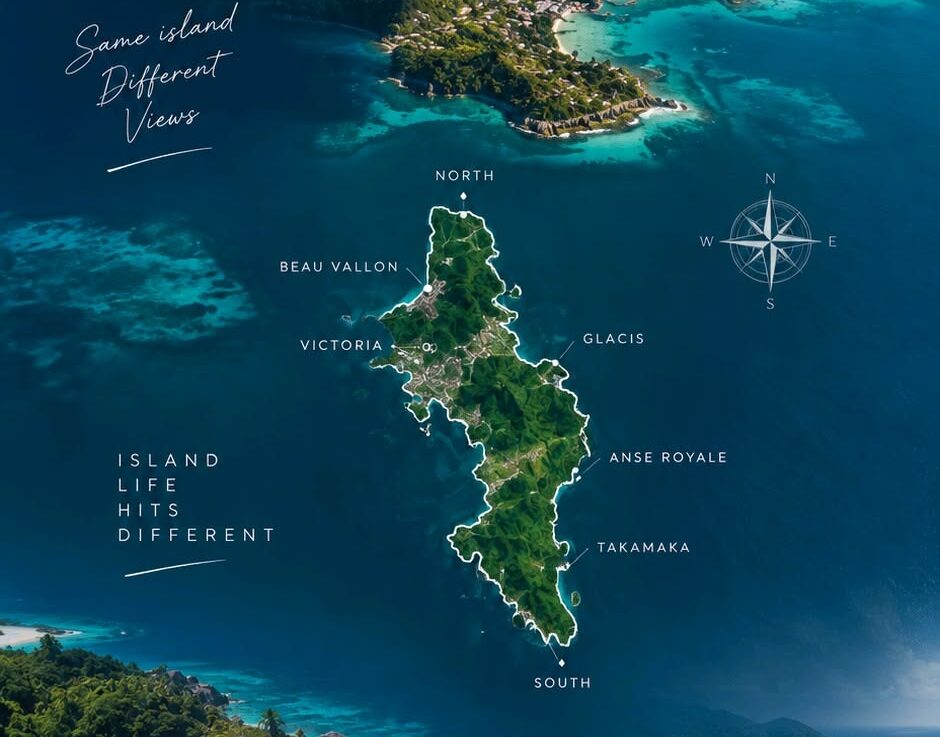
- May to September (South-East Trade Winds): The weather is cooler and much breezier. This is the windiest season, which brings rougher seas—ideal for kite-surfing on beaches like Anse Royale, but less ideal for calm swimming on exposed coasts. Seaweed can also wash up on certain southern shores.
- November to March (North-West Trade Winds): Warmer, more humid, and characterized by heavier tropical downpours (especially in January). Rainfall is usually short-lived, but humidity peaks.
2. Weather & Water Temperatures
- Air Temperature: Consistently warm throughout the year, hovering comfortably between 27°C and 30°C (80°F–86°F).
- Water Temperature: The Indian Ocean surrounding the islands is wonderfully warm, averaging 26°C to 29°C (79°F–84°F) year-round, making it effortless to spend hours in the water.
3. What to Eat & Drink: Culinary Highlights
Seychellois Creole cuisine is a vibrant, aromatic fusion of African, French, Indian, and Chinese influences, driven heavily by fresh ocean catches and fiery local spices.
- Must-Try Local Dishes:
- Creole Fish Curry (Kari Pwason): Freshly caught local fish simmered in a rich, creamy coconut milk, turmeric, ginger, and garlic sauce, usually served alongside rice and local chutney.
- Octopus Salad (Satini Zwen): Boiled and sliced octopus tossed with finely diced onions, tomatoes, chili, lime juice, and bilimbi fruit. It’s zesty, refreshing, and packed with flavor.
- Shark Chutney (Satini Rekin): Finely mashed boiled shark meat cooked with turmeric, bilimbi juice, onions, and fried in oil. It has a unique, savory, and non-fishy taste.
- Drinks to Refresh:
- Ladouane: A traditional, locally fermented fruit wine made from bananas, pineapples, or mangoes.
- Seybrew: The crisp, refreshing national lager brewed right on Mahé, perfect after a long hike.
- Fresh Toddy (Koulev): Fermented coconut sap, harvested fresh from coconut palms for the adventurous palate.
4. Safety, Health, Pharmacies & Embassies
The Seychelles is statistically one of the safest countries in Africa for travelers, boasting very low rates of violent crime. Petty theft (like unattended beach bags) can happen, so standard common sense applies.
- Medical Care & Pharmacies:
- Healthcare standards are high. The main public facility is Victoria Hospital on Mahé, supplemented by private clinics and regional health centers across Praslin and La Digue.
- Pharmacies are widely available in towns like Victoria and Anse Royale, staffed by professionals who speak English and French.
- Embassies & Consulates:
- Most major international embassies do not maintain physical diplomatic missions directly on the islands; instead, diplomatic relations are managed through embassies located in neighboring nations (such as Nairobi or Dar es Salaam) or via local honorary consulates stationed on Mahé. In emergencies, your hotel or local authorities can assist in contacting consular representatives.
- Health Precautions: No mandatory vaccinations are required for direct entry from most countries, though a Yellow Fever certificate may be requested if you are arriving from an endemic zone. Mosquito repellent is recommended, though malaria is absent from the islands.
5. Where to Stay: Hotels & Price Ranges
Accommodation in the Seychelles ranges from budget-friendly self-catering guesthouses to ultra-exclusive private island resorts.
- Budget & Self-Catering ($70 – $150 per night):
- Local Guesthouses & Self-Catering Chalets: Often family-run, properties like Le Relax Guest House or independent apartments on Mahé and La Digue offer kitchens, cozy rooms, and an authentic local feel. This is the best way to save money on food by cooking local ingredients.
- Mid-Range ($180 – $350 per night):
- Boutique Beach Hotels: Mid-scale resorts offer swimming pools, breakfast included, and immediate beach access with modern comforts.
- Luxury ($500 – $2,000+ per night):
- Exclusive Island Resorts: Iconic properties on private islands—such as North Island, Fregate Island, or high-end resorts on Praslin—offer total seclusion, world-class spas, and unmatched tropical luxury.