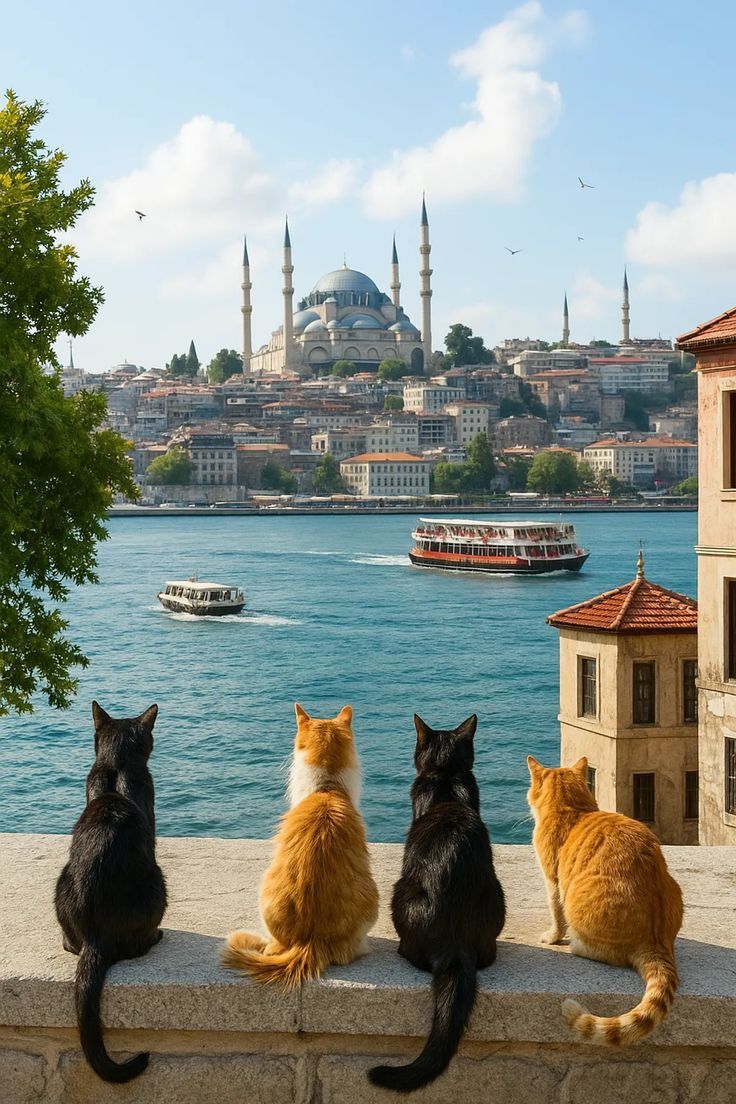
Istanbul, once known as Constantinople and Byzantium, is the only city in the world that straddles two continents—Europe and Asia. This unique geographical location gives it extraordinary historical depth, cultural blending, and an unrepeatable energy that combines millennia-old tradition with a modern pulse.
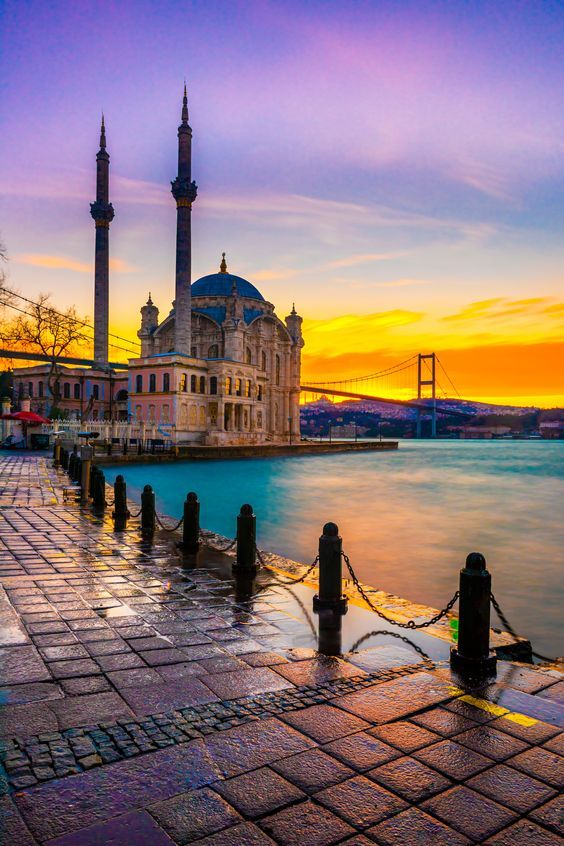
The city, cut by the Bosphorus Strait (separating Europe from Asia) and the Golden Horn (a natural harbor), was the heart of the Roman, Byzantine, and Ottoman Empires. A visit to Istanbul is a journey through time, where you can admire Byzantine mosaics and Ottoman mosques in a single day.
I. 🕌 The Historical Triangle: Sultanahmet
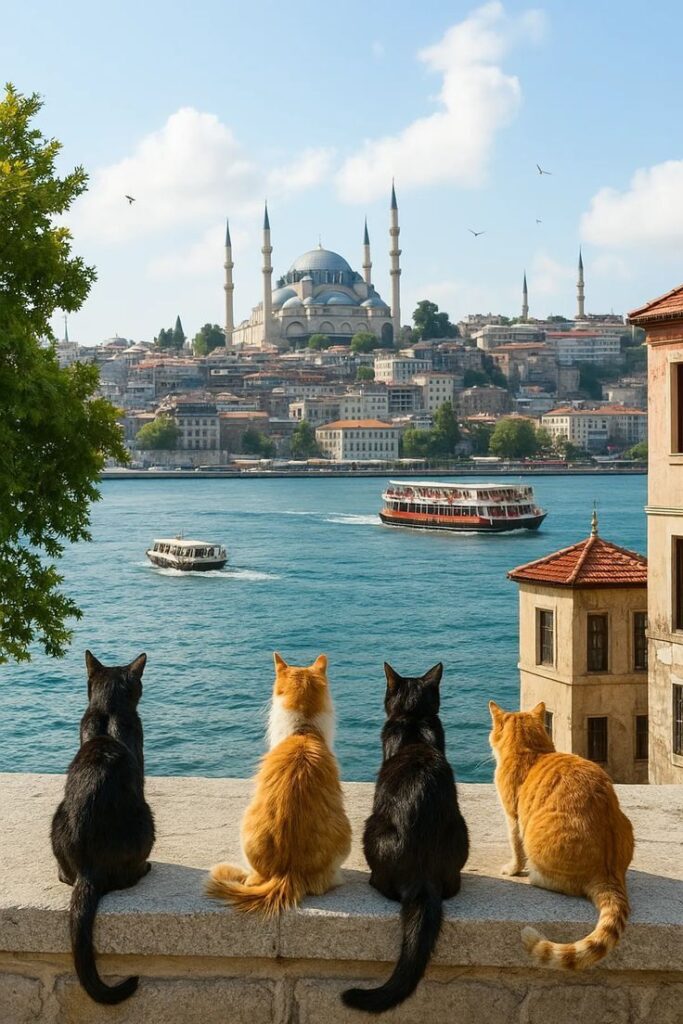
Most of the most important landmarks are located in the historic Sultanahmet district, on the European side of the city.
1. Hagia Sophia (Ayasofya)
The most significant structure in Istanbul. Built as a cathedral in the 6th century, it served as the center of Orthodox Christianity for a thousand years, was converted into a mosque by the Ottomans, later became a museum, and was reconverted into a mosque in 2020. Its massive dome and blend of Islamic calligraphy and Christian mosaics symbolize the city’s complex history.
2. Blue Mosque (Sultan Ahmed Mosque)
A 17th-century mosque famous for its six minarets and especially its interior, which is decorated with thousands of hand-painted blue Iznik tiles. For this reason, it earned the nickname “Blue Mosque.”
3. Topkapı Palace (Topkapı Sarayı)
The expansive palace complex that served as the main residence of the Ottoman sultans for almost 400 years. Walk through its courtyards, visit the famous Harem (the residence of the Sultan’s wives and family), and admire treasures including jewelry and sacred relics.
4. Basilica Cistern (Yerebatan Sarnıcı)
An impressive underground water reservoir (cistern) from the Byzantine era. It is known for its hundreds of columns and mysterious bases featuring Medusa heads, which lend the place a mystical atmosphere.
II. 🛍️ Bazaars and Markets: A Sensory Awakening
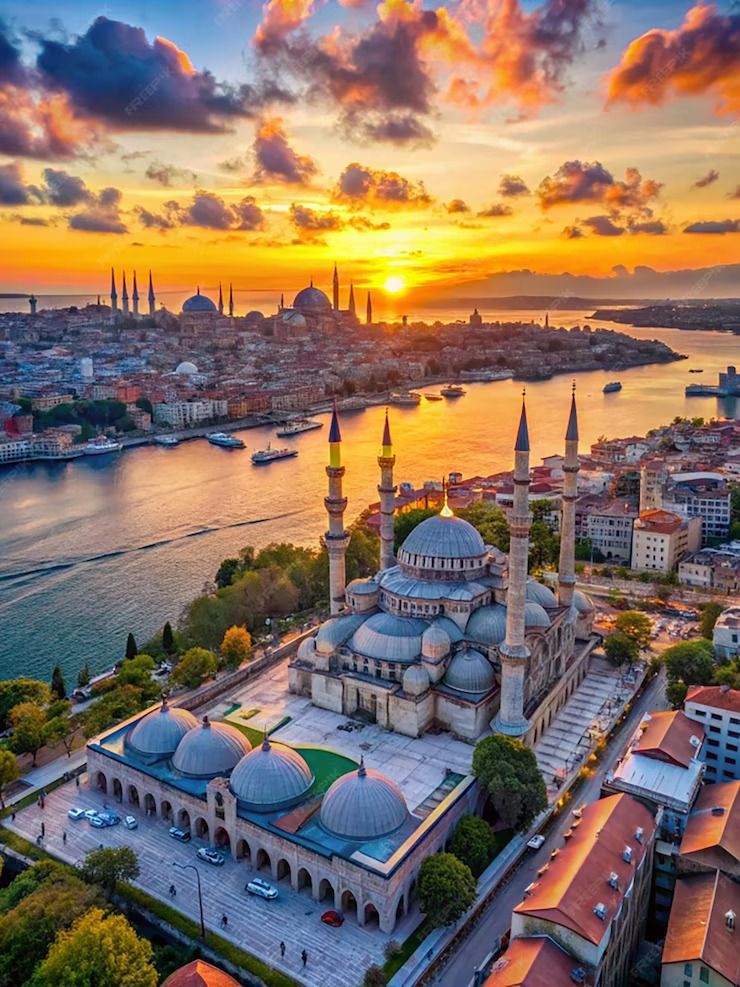
Istanbul’s bazaars have been centers of commerce for centuries and offer an unforgettable experience.
1. Grand Bazaar (Kapalıçarşı)
One of the largest and oldest covered markets in the world. It contains more than 4,000 shops selling jewelry, carpets, leather goods, ceramics, and souvenirs. Tip: Don’t forget to bargain; it is an expected and important part of the shopping culture.
2. Spice Bazaar (Mısır Çarşısı / Egyptian Bazaar)
The second-largest covered bazaar, mainly known for selling spices, herbs, dried fruits, nuts, traditional sweets (Turkish Delight / Lokum), and tea. Its scents and colors are overwhelming.
III. 🌉 Two Continental Zones and the Bosphorus Strait
1. Istiklal Caddesi and Taksim
Istiklal Caddesi (Independence Avenue) is a bustling, modern pedestrian zone on the European side of the city (Beyoğlu district). It is lined with shops, cinemas, and cafes. It leads to Taksim Square, which is considered the modern heart of Istanbul and a center for protests and celebrations.
2. Crossing to Asia
Taking a ferry or the Marmaray metro to the Asian side (e.g., to the Kadıköy or Üsküdar districts) offers a more relaxed view of Istanbul and fantastic views back to the European skyline. Visit the Maiden’s Tower (Kız Kulesi) on a small islet in the Bosphorus.
IV. ☕ Culinary Delights
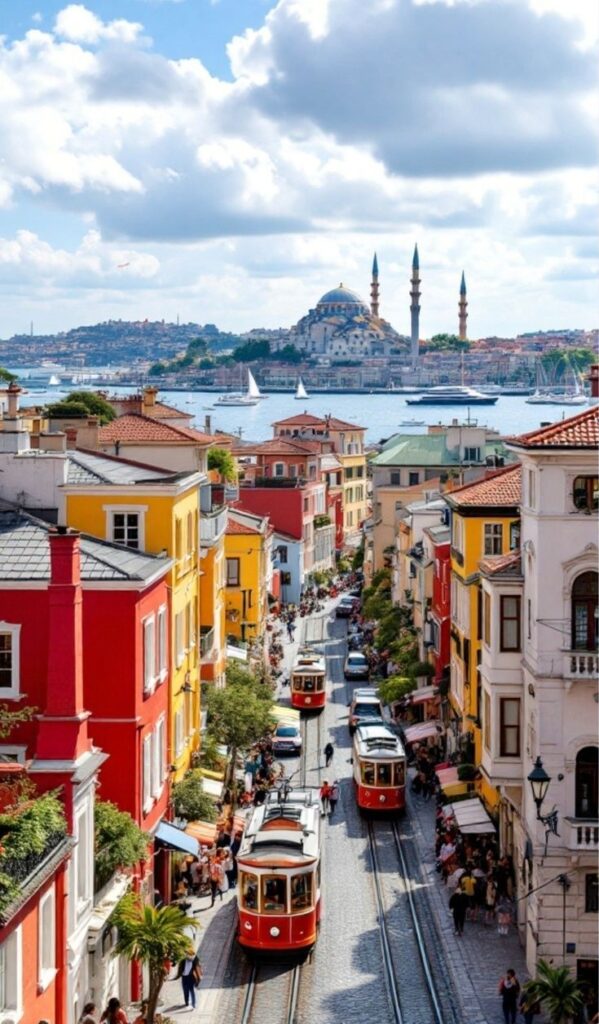
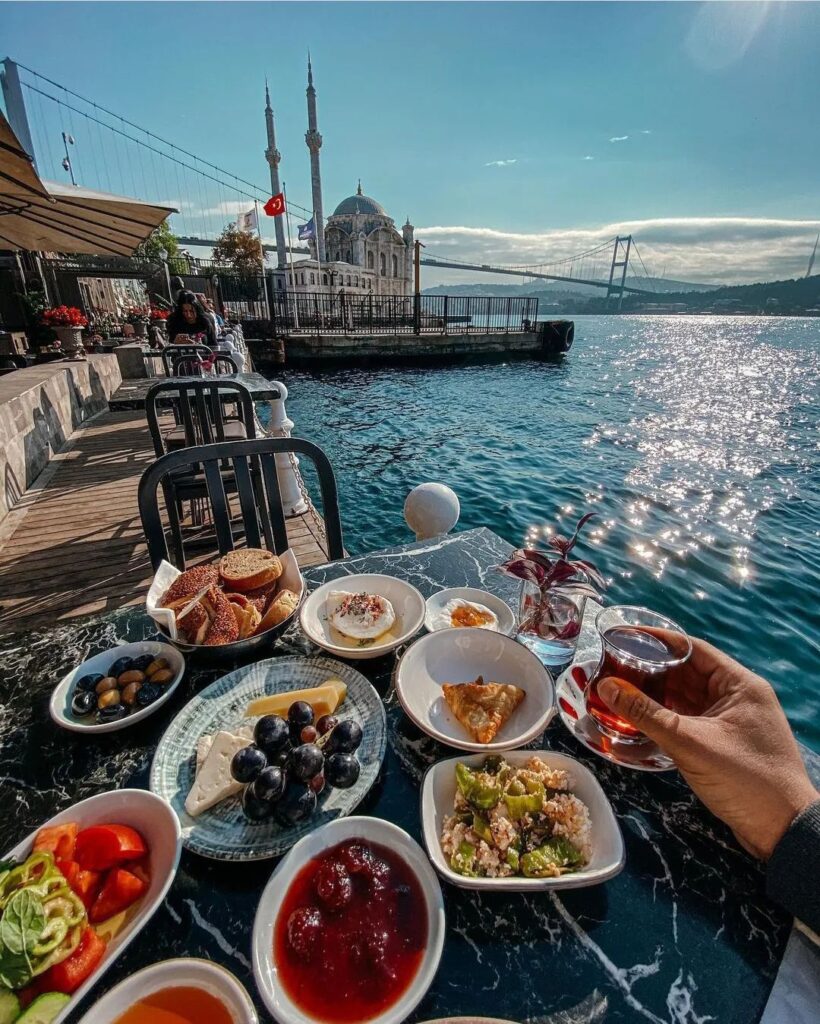
Turkish cuisine is as diverse as its history, featuring Mediterranean, Balkan, and Middle Eastern influences.
- Döner and Kebap: Although globally known, they taste different in Istanbul. Try İskender Kebap (thin slices of meat with sauce, yogurt, and melted butter).
- Meze: Small appetizers (hummus, eggplant salads, yogurt dips) served with rakı (the local anise-flavored spirit) or coffee.
- Baklava and Lokum: Layered pastry (Baklava) filled with nuts and honey, or colorful cubes (Lokum) are an inseparable part of every market.
- Turkish Coffee and Tea: Turkish coffee is served strong with grounds, while black tea (Çay) is drunk throughout the day.
V. 💡 Practical Tips for Travelers
| Category | Advice |
| Transportation | Istanbulkart. This rechargeable card is the best and cheapest way to travel by metro, trams, buses, and ferries. |
| Currency | Turkish Lira (TRY). Cash is still key in the bazaars and smaller shops. |
| Getting Around | Walking is ideal in the historical districts. For longer distances, use the efficient tram network. |
| Mosque Rules | Upon entering a mosque, both men and women must cover their shoulders and knees, and women must cover their hair. Shoes are removed before entering. |
| Best Time | Spring (April – May) and Autumn (September – October). The weather is mild and pleasant for city tours. |
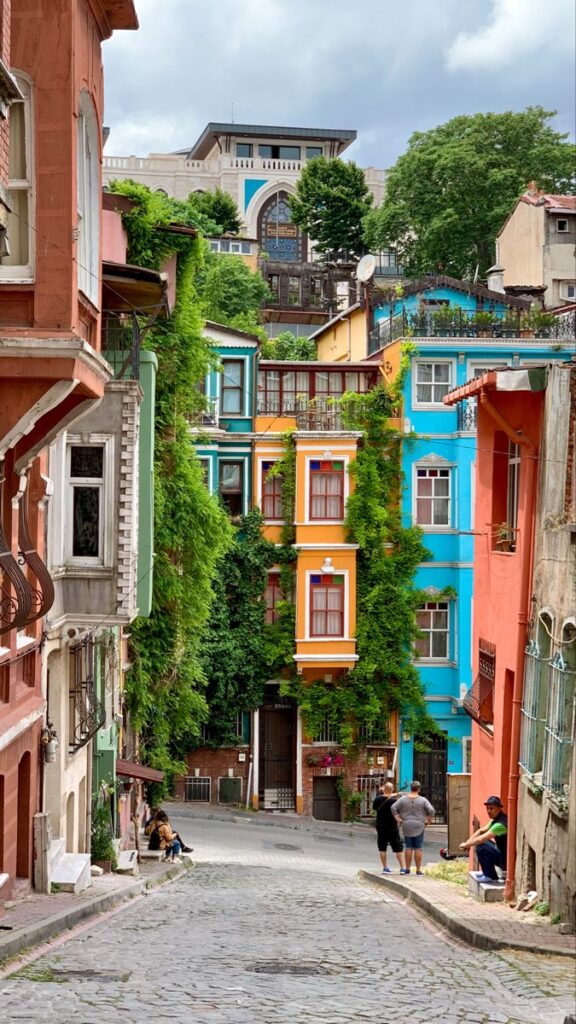
Istanbul is an intense, rich, and unforgettable city that offers everyone a piece of history, art, and flavor. Prepare for both chaos and beauty.
Dear fellow travelers, if my articles have helped you or inspired your journeys, you can support me in a very simple way. If you book your flights, hotels, or tickets through the links below, I will receive a small commission from the sale. This costs you absolutely nothing extra (the prices remain exactly the same for you), but it truly helps me take my children on our next adventure and write the next detailed travel guide.
Here are the services I personally use on our travels and that you can rely on:
-
 Flights: I prefer to compare prices using Kiwi.com : last minute flights : https://kiwi.tpk.lv/8NQF6GkN or through the global search engine Aviasales : https://aviasales.tpk.lv/gKYbo853 .
 -
 Accommodation: 90% of our stays are booked traditionally through Booking.com : https://booking.tpk.lv/cLbuaDaA. If we are traveling to Asia, Agoda : https://agoda.tpk.lv/OwlTkUi6 often offers better prices and deals.
 -
 Experiences & Tickets: To avoid standing for hours in ticket queues for landmarks with my children, I buy them in advance via GetYourGuide : https://getyourguide.tpk.lv/V6GC2pLm or through [Viator : https://viator.tpk.lv/jKVITxSH .
 -
 Car Rental: When we need a car on our journeys, I compare rental prices through QEEQ : Diamond Membership : https://qeeq.tpk.lv/1YoVmDCm ,
 -
 Internet Abroad: To have mobile data immediately upon arrival and avoid hunting for local SIM cards, I use a digital eSIM via Airalo : https://airalo.tpk.lv/YGyayoZj .
Thank you for every single click and booking; I deeply appreciate it!