Vacations are a time for rest and relaxation, but sometimes unexpected things can happen. Knowing how to react in an emergency is crucial for your safety. This article will provide you with basic information and procedures on how to handle first aid abroad.

1. Emergency Phone Numbers
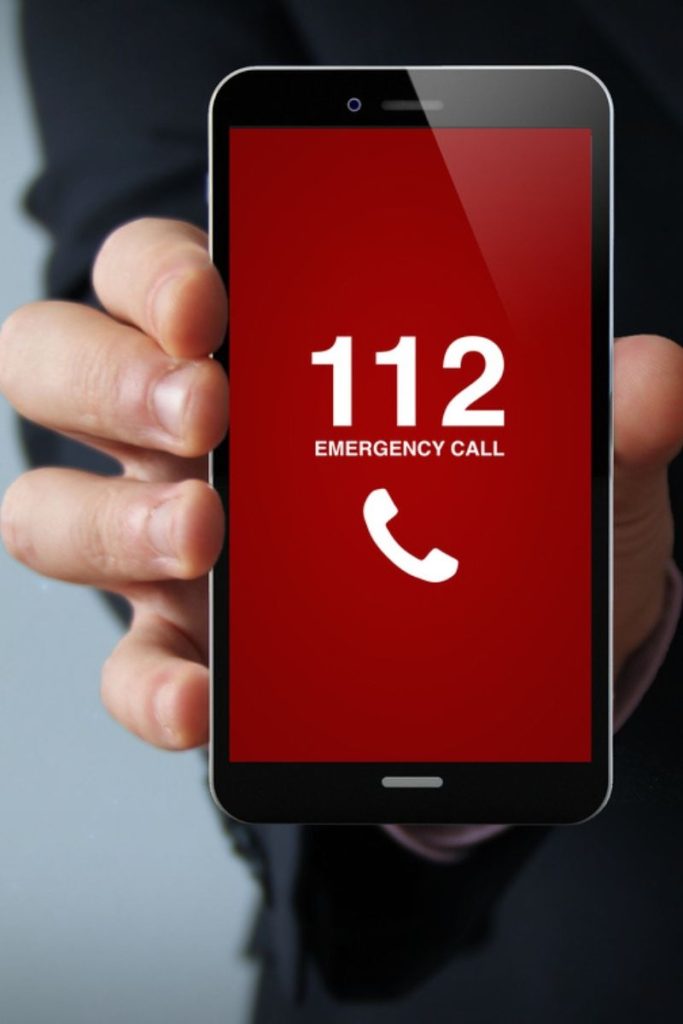
The first and most important step is to know the local emergency phone numbers. Although the worldwide number 112 works in most European Union countries, it’s a good idea to find out the local contacts for the police, fire department, and ambulance service in advance.
2. Essential Information You Should Always Have With You
- Contact Information: Keep your hotel’s address, the phone number of the nearest embassy or consulate, and the contacts of your loved ones with you.
- Medical Information: If you have any allergies, chronic illnesses, or take medication, translate this information into English or the language of the country you’re visiting. Carry it with you.
- Travel Insurance: Have your insurance policy number and the helpline number with you. In case of need, you’ll know who to contact.

3. What to Do in Case of Injury or Illness
- Stay Calm: First and foremost, try to stay calm and think rationally. Panic won’t help.
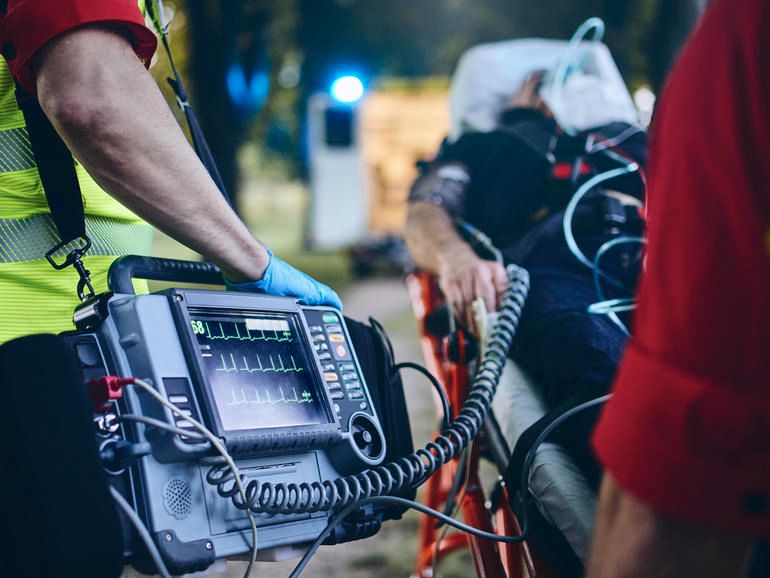
- Call for Help: If it’s a serious condition, immediately call the local emergency service. When you call, state where you are, what happened, and how many people are injured.
- Do Not Move the Victim: If you are unsure what happened, do not move the person. You could prevent further injury.
- Provide First Aid: If you know how (e.g., to stop bleeding or stabilize a fracture), do it. However, never provide assistance you are not trained for.
- Communicate with a Doctor: Try to describe the symptoms or circumstances of the injury as best as you can. If you can’t speak the local language, use a translator on your phone or ask someone for help.
SOS: First Aid Abroad
Vacations are a time for rest and relaxation, but sometimes unexpected things can happen. Knowing how to react in an emergency is crucial for your safety. This article will provide you with basic information and procedures on how to handle first aid abroad.
1. Emergency Phone Numbers
The first and most important step is to know the local emergency phone numbers. Although the worldwide number 112 works in most European Union countries, it’s a good idea to find out the local contacts for the police, fire department, and ambulance service in advance.
2. Essential Information You Should Always Have With You
- Contact Information: Keep your hotel’s address, the phone number of the nearest embassy or consulate, and the contacts of your loved ones with you.
- Medical Information: If you have any allergies, chronic illnesses, or take medication, translate this information into English or the language of the country you’re visiting. Carry it with you.
- Travel Insurance: Have your insurance policy number and the helpline number with you. In case of need, you’ll know who to contact.
3. What to Do in Case of Injury or Illness
- Stay Calm: First and foremost, try to stay calm and think rationally. Panic won’t help.
- Call for Help: If it’s a serious condition, immediately call the local emergency service. When you call, state where you are, what happened, and how many people are injured.
- Do Not Move the Victim: If you are unsure what happened, do not move the person. You could prevent further injury.
- Provide First Aid: If you know how (e.g., to stop bleeding or stabilize a fracture), do it. However, never provide assistance you are not trained for.
- Communicate with a Doctor: Try to describe the symptoms or circumstances of the injury as best as you can. If you can’t speak the local language, use a translator on your phone or ask someone for help.
4. A Travel First-Aid Kit
Prepare a small but comprehensive first-aid kit. It should contain:
- Pain relievers and fever reducers.
- Antihistamines for allergic reactions.
- Disinfectant and band-aids for minor wounds.
- Medication for stomach problems and diarrhea.
- Sunscreen and insect repellent.
Following these guidelines will help you feel safer and more prepared for unexpected situations.
We hope you never need this information, but it’s better to be prepared than surprised.

Planning trips with my trusted partners
Not only do I want to inspire you, but also help you with the practical side of planning. For my own travels, I always choose the best options, and I want you to have an amazing experience, too.
In this section, you’ll find a selection of my trusted partners where you can book flights, holidays, hotels, insurance, or buy essential travel gear. These are all services I personally recommend. Plus, if you use them through my links, you’ll be supporting my work and helping me bring you more travel tips and stories.
Thanks!
Support Our Adventures: Book Your Trip Through Our Exclusive Links!
Dear readers, we hope this article has fueled your wanderlust and you’re ready to make your next travel dream a reality! If you’re looking to start planning immediately, we have a helpful tip for you:
By using our partner links below, you support our work and ensure we can continue bringing you high-quality travel content—all at absolutely no extra cost to you!
Turn that travel dream into a reality and secure the key components of your journey through our trusted partners:
1. Flights, Accommodation & Packages (The Essentials)
Find the best deals on flights, hotels, and all-in-one travel packages using global booking giants.
- Flights: Compare and book flights with competitive platforms like
- Kiwi.com :
- Kiwi.com US : https://kiwi.tpk.lv/kXsi7QaY
- Kiwi.com UK : https://kiwi.tpk.lv/gAZuafLB
- Kiwi.com FI : https://kiwi.tpk.lv/J0u1o2ru
- Kiwi.com : Nomad. How to visit multiple destinations for the lowest price : https://kiwi.tpk.lv/WEK07Jiu
- Kiwi.com IT : https://kiwi.tpk.lv/kf2zwwGH
- Kiwi.com DA : https://kiwi.tpk.lv/j25SS44j
- Kiwi.com DE : https://kiwi.tpk.lv/Q6ZmmoXD
- Kiwi.com : last minute flights : https://kiwi.tpk.lv/8NQF6GkN
- Kiwi.com : country to country flights : https://kiwi.tpk.lv/OhSCDGCr
- Kiwi.com FR : https://kiwi.tpk.lv/sSW5jVUN
- Kiwi.com ES : https://kiwi.tpk.lv/PwH62Ifh
- Kiwi.com BR : https://kiwi.tpk.lv/BXuqoiMb
- Kiwi.com PL : https://kiwi.tpk.lv/03KEQ23R
- Kiwi.com NL : https://kiwi.tpk.lv/bhr2vypj
- Kiwi.com IN : https://kiwi.tpk.lv/pGNaD19m
- Kiwi.com CZ : https://kiwi.tpk.lv/T6C6Da3z
- Trip.com :
- Trip.com : English : https://trip.tpk.lv/fieZCKGT
- Trip.com : Thailand : https://trip.tpk.lv/kv7gIW8O
- Trip.com : Spanish : https://trip.tpk.lv/TLa1BsKx
- Trip.com : India : https://trip.tpk.lv/ovsW7XXm
- Trip.com : Trains (Thailand) : https://trip.tpk.lv/Q46n2bDi
- Trip.com : Trains (Chinese, Hong Kong) : https://trip.tpk.lv/MeHIbj0X
- Trip.com : Trains (Korean) : https://trip.tpk.lv/rWHdUda6
- Trip.com : Hotel & Flight bundle : https://trip.tpk.lv/xV30XH3s
- Trip.com : Airport tansfers : https://trip.tpk.lv/ghLf1IEJ
- Trip.com : Car rental : https://trip.tpk.lv/illJ134Y
- CheapOair :
- https://cheapoair.tpk.lv/RRTmfV3S
- Aviasales :
- https://aviasales.tpk.lv/gKYbo853
- Expedia :
- Expedia US : https://expedia.tpk.lv/pCvtQzkV
- Expedia Argentina : https://expedia.tpk.lv/LRSbYL3w
- Expedia Brazil : https://expedia.tpk.lv/zKpGcAXH
- Expedia Canada : https://expedia.tpk.lv/z5SpyCIY
- Expedia Mexico : https://expedia.tpk.lv/BUH8tVsE
- Expedia Denmark : https://expedia.tpk.lv/mbRMtTEs
- Expedia Finland : https://expedia.tpk.lv/4WUz0MBv
- Expedia France : https://expedia.tpk.lv/hKbKHSCW
- Expedia Germany : https://expedia.tpk.lv/olz5jpB8
- Expedia Austria : https://expedia.tpk.lv/0DA8eTle
- Expedia Switzerland : https://expedia.tpk.lv/2veyK1NE
- Expedia Ireland : https://expedia.tpk.lv/BisYp6JE
- Expedia Italy : https://expedia.tpk.lv/Oekb5U1f
- Expedia Norway : https://expedia.tpk.lv/NRRPOi3r
- Expedia Spain : https://expedia.tpk.lv/xFVFft6N
- Expedia Sweden : https://expedia.tpk.lv/42DWPhdy
- Expedia UK : https://expedia.tpk.lv/6tsiZhjd
- Accommodation: Secure your perfect stay—from luxury hotels to hostels—using :
- Booking.com :
- https://booking.tpk.lv/cLbuaDaA
- Booking.com : deals page : https://booking.tpk.lv/L2ziCj6A
- Booking.com : Flights Homepage : https://booking.tpk.lv/E5jJVqeU
- Booking.com : Car Rental Homepage : https://booking.tpk.lv/ogQS5Lga
- Agoda :
- https://agoda.tpk.lv/OwlTkUi6
- Agoda find hotels in Phuket, Thailand : https://agoda.tpk.lv/ejqW2lRK
- Agoda find hotels in Bangkok, Thailand : https://agoda.tpk.lv/ttjZDwwj
- Agoda find hotels in Bali, Indonesia : https://agoda.tpk.lv/zBCfCfl8
- Agoda find hotels in Kuala Lumpur, Malaysia : https://agoda.tpk.lv/3fyLYKGU
- Trip.com :
- Trip.com Hotel & Flight bundle : https://trip.tpk.lv/xV30XH3s
- Expedia :
- Expedia US : https://expedia.tpk.lv/pCvtQzkV
- Hostelworld :
- https://hostelworld.tpk.lv/tls4EJed
- Hostelworld book cheap hostels : https://hostelworld.tpk.lv/72O2IR8D
- Hostelworld book budget hotels
- Packages: Book flights and hotels together for extra savings via
- Expedia :
- Expedia US : https://expedia.tpk.lv/pCvtQzkV
- Trip.com :
- Trip.com : Hotel & Flight bundle : https://trip.tpk.lv/xV30XH3s
- WayAway :
- WayAway : iOS app : https://wayaway.tpk.lv/qyj4uZHn
- WayAway : Android app : https://wayaway.tpk.lv/CifikaT6
2. Tours, Activities & Experiences
Maximize your holiday by pre-booking tickets, tours, and unique local experiences. Skip the lines and dive straight into the adventure!
- Tours & Tickets: Discover thousands of local activities, city tours, and attractions worldwide with :
- Viator : https://viator.tpk.lv/jKVITxSH
- GetYourGuide : https://getyourguide.tpk.lv/V6GC2pLm
- Klook :
- Klook : 4G LTE WiFi MNL Delivery for Manila Asia : https://klook.tpk.lv/ozVElohb
- Klook : Universal Studios Singapore Ticket : https://klook.tpk.lv/5lmEutuO
- Klook : Shanghai Disneyland Ticket : https://klook.tpk.lv/bphiDtwA
- Klook : Hong Kong Disneyland Park Ticket : https://klook.tpk.lv/qw4DY0cv
- Klook : Disneyland Paris Theme Park Ticket : https://klook.tpk.lv/LTAFpCdA
- Klook : Universal Studios Hollywood Ticket : https://klook.tpk.lv/LpIPkJ88
- Klook : Disneyland Resort in California Tickets : https://klook.tpk.lv/uzqPMUJe
- Klook : Universal Studios Japan Studio Pass : https://klook.tpk.lv/Z9v2Db1y
- Klook : Universal Studios Orlando Ticket : https://klook.tpk.lv/JZ6RQNjJ
- Klook : Universal Studios Beijing Ticket : https://klook.tpk.lv/gSRTT9pB
- Klook : Tokyo Disney Resort : https://klook.tpk.lv/bCBkbWDa
- Tiqets :
- Tiqets: top products France : https://tiqets.tpk.lv/LsaGf5EO
- Tiqets: top products Portugal : https://tiqets.tpk.lv/u5AJovOL
- Tiqets: top products Spain : https://tiqets.tpk.lv/1AdaRuww
- Tiqets: top products Italy : https://tiqets.tpk.lv/rbhp8dih
- Tiqets: top products Benelux : https://tiqets.tpk.lv/quOXikAO
- Tiqets: top products UAE : https://tiqets.tpk.lv/eb54vjQS
- Tiqets: top products USA : https://tiqets.tpk.lv/BCcyAYoF
- Tiqets: top products UK : https://tiqets.tpk.lv/3JJUATv8
- Tripadvisor :
- Trip.com : English : https://trip.tpk.lv/fieZCKGT
- Go City :
- https://gocity.tpk.lv/6geBnlRb
- Unique Experiences: Find special food experiences and dining events with :
- Eatwith :
- Eatwith: gift card : https://eatwith.tpk.lv/bQVEb7xE
3. Ground Transportation (Cars, Transfers, & Public Transit)
Ensure smooth travel once you arrive at your destination.
- Car Rental: Compare offers from dozens of rental companies for the best price via :
- QEEQ :
- QEEQ: Diamond Membership : https://qeeq.tpk.lv/1YoVmDCm
- QEEQ – 1-month of Qeeq Diamond Membership for free : https://qeeq.tpk.lv/JWgjwJnV
- Trip.com :
- Trip.com : Car rental : https://trip.tpk.lv/illJ134Y
- Airport Transfers & Taxi: Book private airport transfers or intercity rides in advance with :
- Welcome Pickups :
- Sightseeing Rides : https://tpk.lv/gmSMlU2R
- Kiwitaxi :
- https://kiwitaxi.tpk.lv/q7a7jyRI
- Indrive – city to city :
- Mobile App (Kazakhstan) : https://indrive.tpk.lv/Wbh8CHM5
- Mobile App (India, Egypt, Pakistan, Colombia, Ecuador, Brazil, Mexico, Morocco) : https://indrive.tpk.lv/3wW97g5W
- Buses & Trains: Secure rail tickets with :
- Rail Europe :
- https://raileurope.tpk.lv/bohYi3fZ
- BusBud :
- https://busbud.tpk.lv/2KPPPpQa
- Bicycle Rental: Book your bike for local exploration using :
- BikesBooking.com :
- https://bikesbooking.tpk.lv/pC4aLbpe
4. Essential Travel Services
Don’t leave home without these vital services that guarantee peace of mind, connectivity, and security.
- Connectivity (eSIM/Data): Stay connected globally without expensive roaming fees using eSIM providers like
- Airalo :
- https://airalo.tpk.lv/YGyayoZj
- Airalo: Mobile App : https://airalo.tpk.lv/QwKik5cD
- Yesim :
- Yesim: Web (en) : https://yesim.tpk.lv/k9lIUE3m
- Yesim: App (en) : https://yesim.tpk.lv/fEf3XO1u
- Travel Insurance: Secure comprehensive travel protection with providers like :
- Insubuy :
- Insubuy: Travel Insurance : https://insubuy.tpk.lv/EdyA7ToI
- EKTA :
- https://ektatraveling.tpk.lv/sfpQluhl
- Claim Compensation: Get help claiming compensation for delayed or canceled flights via
- AirHelp :
- AirHelp: AirHelp+ subscription : https://airhelp.tpk.lv/DXIuiP6L
- AirHelp: Missed connection insurance : https://airhelp.tpk.lv/u0Nju5Vg
- AirHelp: AirHelp+ US : https://airhelp.tpk.lv/cz49u2VQ
- Compensair :
- https://compensair.tpk.lv/LuNhAHBy
- VPN: Protect your digital security and access geo-restricted content with :
- NordVPN :
- NordVPN : https://nordvpn.tpk.lv/2chc2vkm
- NordPass : https://nordvpn.tpk.lv/WGdCyF6L
- Airport Lounge Access: Enhance your pre-flight experience with :
- Priority Pass :
- Luggage Storage: Conveniently store your bags in cities worldwide with :
- Radical Storage :
- https://radicalstorage.tpk.lv/JP2jAhNE
Why Book Using Our Links?
It costs you nothing extra, but it provides vital support to our blog! The small commission we receive from our partners helps us cover the costs of creating this content and bringing you more tips and inspiration for your future adventures.
Thank you for your support, and happy travels!